Last updated 10.15.2026
Same-Day dental implants in Dallas: What teeth in a day really means
Written by: Dr. Maria Alfaro, DDS, MS
Learn what same-day dental implants mean, who may qualify, why provisional teeth differ from final teeth, and what Dallas patients should ask.
If you’re searching for same-day dental implants in Dallas, there is probably a practical question behind the search: Can I have implants placed without spending part of the treatment process without teeth?
For many patients, the answer is yes. Many patients may qualify for same-day implants after their initial workup and leave procedure day with a provisional prosthesis. That means qualifying patients can have implants placed and receive replacement teeth designed for the healing period during the same appointment.
What happens in “one day,” however, is only one stage of treatment. The implants still need time to integrate with the jawbone, the tissues need to heal, follow-up appointments are required, and the final restoration is designed and delivered later. Understanding that distinction makes it much easier to compare terms such as “teeth in a day,” “24-hour teeth” and “same-day dental implants.”
What does “same-day dental implants” mean?
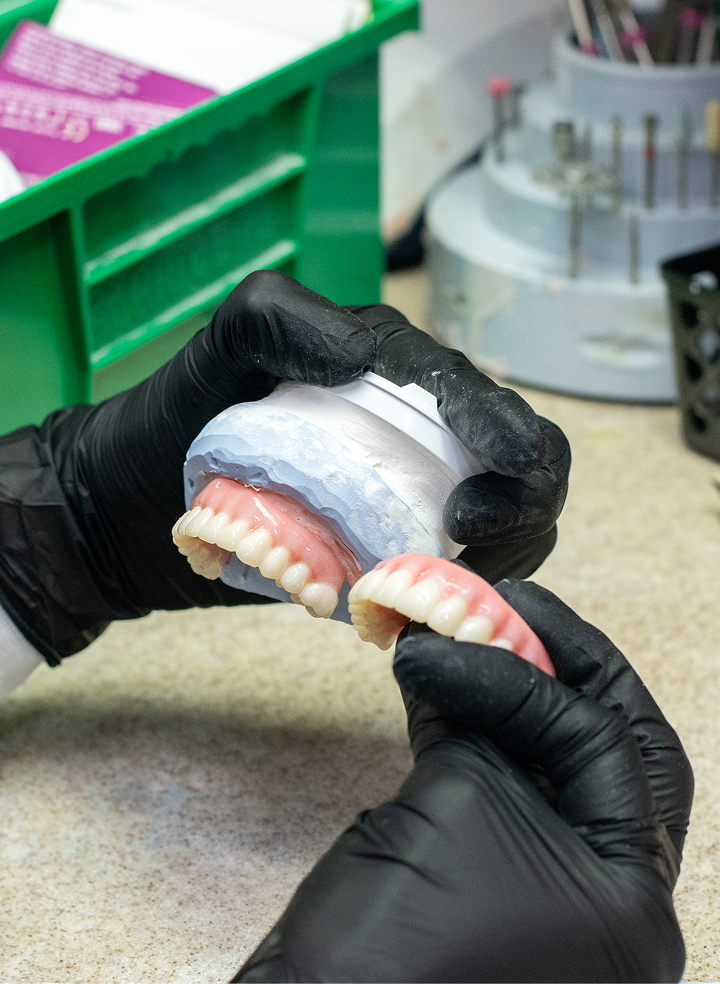
In full-arch treatment, same-day dental implants generally refers to placing the implants and attaching a provisional set of replacement teeth during the same procedure visit.
The provisional restoration serves an important purpose. It gives the patient replacement teeth during the healing period while the implants and surrounding tissues recover. Depending on the treatment plan, it may also give the dental team an opportunity to evaluate aspects of fit, bite, appearance and function before the final teeth are completed.
The provisional teeth are not simply the final restoration delivered early. They may use different materials and have different contours, bite considerations and care requirements because they are being used during healing.
That is why the word “same-day” should describe what happens on procedure day, not imply that the entire implant process is finished within 24 hours.
What happens before procedure day?
Same-day treatment actually begins well before the surgical appointment. The planning stage is what determines what steps are necessary to maximize the possibility of receiving provisional teeth on procedure day.
At a consultation, the team reviews your dental concerns, medical history, medications and treatment goals. A 3D CBCT x-ray scan helps clinicians evaluate available bone and nearby oral structures. The surgical and restorative plans are then considered together so that the proposed implant positions support the replacement teeth being designed.
The team may also gather records related to your bite and smile design. If teeth need to be removed, if there are bone concerns that need to be addressed or additional medical information is necessary, those factors become part of the treatment plan and sequence.
This is also the time to plan the practical side of treatment. Transportation, time away from work, help at home, recovery instructions and financing are easier to address before procedure day instead of waiting till the appointment is already scheduled.
Who qualifies for same-day dental implants?
Not all patients qualify for same-day provisional teeth. The team considers oral health, available bone, gum condition, medical history, medications, healing factors, nicotine use, bite forces and the implant configuration being proposed. Addressing some of these findings before or during treatment may improve eligibility for same-day implant treatment, depending on the patient's circumstances.
Implant stability on procedure day is also important. The goal is to design a provisional restoration that protects the implants while healing takes place.
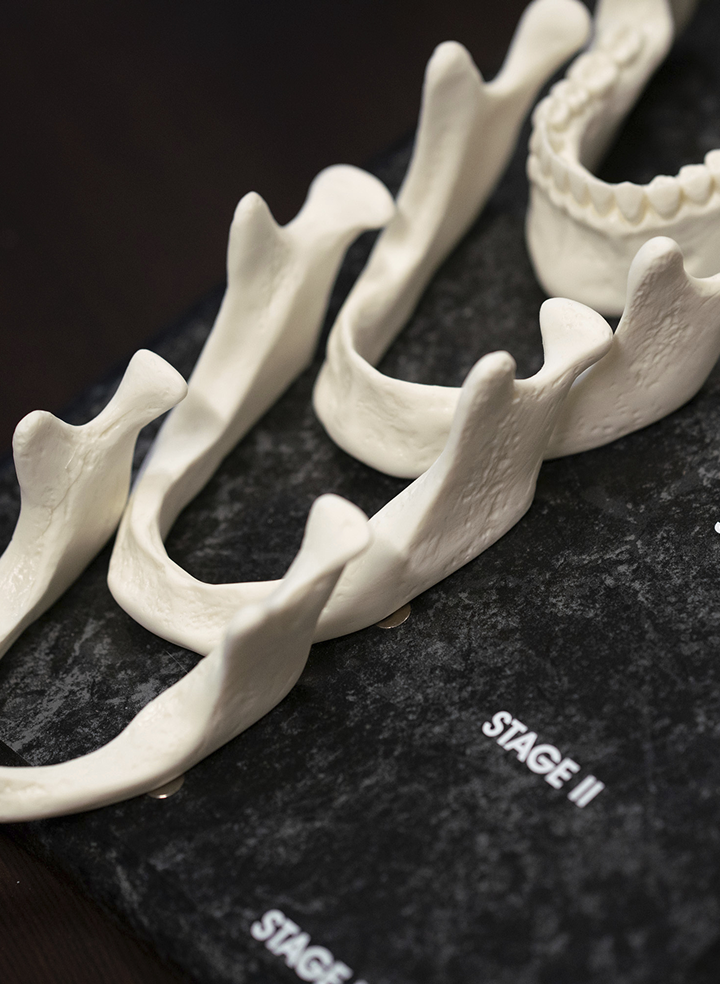
Age alone does not decide whether someone qualifies. Bone loss does not automatically rule out implant treatment either, although it may affect implant position, lead to discussion of bone grafting or change the timing of treatment.
The useful question during a consultation is not simply, “Do you offer teeth in a day?” Ask, “Based on my 3D x-ray imaging and treatment plan, do I qualify for a same-day provisional restoration, and why?”
That gives you information about your case rather than a general marketing claim.
What happens on procedure day?
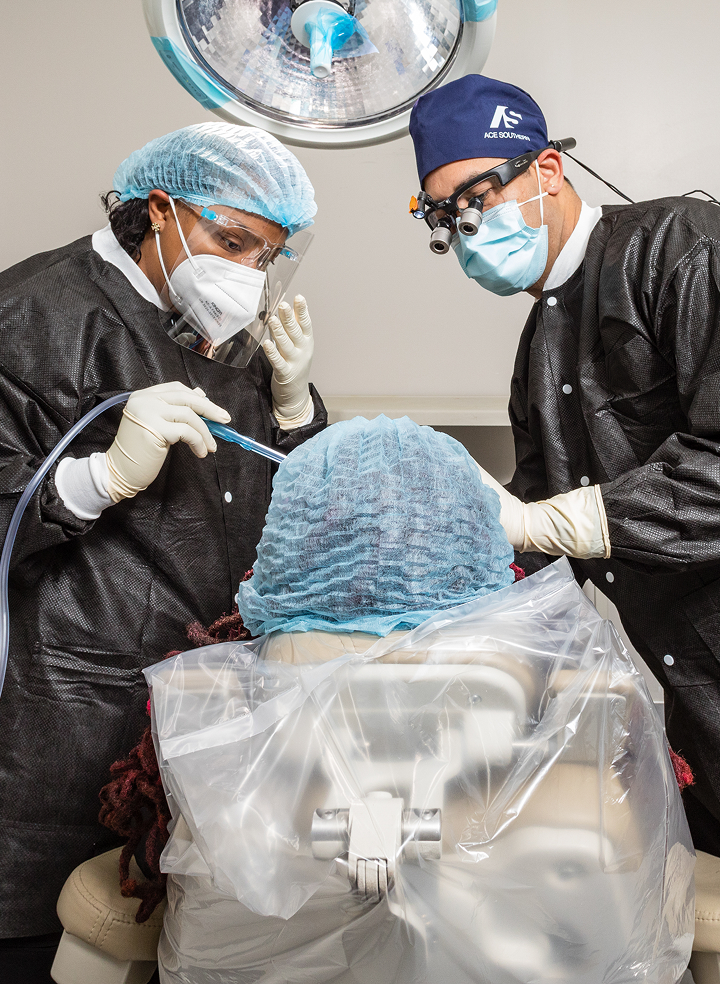
The exact procedure depends on what is being treated. For a full-arch teeth replacement, the appointment may include removal of teeth that cannot be restored, placement of dental implants and delivery of a provisional restoration.
Before the appointment, the team should explain anesthesia or sedation arrangements, food and drink instructions, medications, transportation and what to expect during early recovery. Follow those instructions specifically rather than relying on another patient’s experience.
For patients receiving same-day provisional teeth, the restoration is attached after implant placement. That allows the patient to leave with replacement teeth rather than waiting until the implants have completed the full healing process before receiving a restoration.
Leaving with teeth does not mean returning immediately to normal chewing. The implants are still healing beneath the restoration, so patients need to follow the food texture and chewing instructions provided by the care team.
What can you eat with same-day provisional teeth?
This is one of the most important practical questions to ask before treatment. Provisional teeth may look and feel secure, but the implants supporting them are still integrating with the jawbone.
Patients generally follow a modified diet during this stage. The specific instructions depend on the treatment and the clinician’s recommendations, so ask for written guidance about food texture, chewing and how long restrictions are expected to continue.
It can help to plan meals before procedure day. Having appropriate foods available at home removes one small source of stress during the first part of recovery. If you have another health condition that affects your diet, mention it during treatment planning so the dental and medical considerations can be addressed together when appropriate.
Do not use comfort as the only guide for deciding what you can chew. A patient may feel ready for a particular food before the implants have reached the healing stage needed for normal chewing forces. Follow the treatment instructions even when the provisional teeth feel good.
What should you expect while the implants heal?
Some soreness, swelling, bruising and minor bleeding may occur after implant placement. Follow the instructions you receive for medication, hygiene, food, activity and any other recovery measures.
The provisional restoration may need adjustment as swelling changes and the mouth adapts. Contact the center if the restoration feels loose, breaks, moves, creates significant soreness or if your bite begins to feel uneven. It is better to have a concern evaluated than to continue putting unusual pressure on the restoration.
You should also contact the care team about worsening pain or swelling, difficult-to-control bleeding, fever, drainage or another symptom that differs from the recovery instructions you were given.
Healing is not simply a waiting period. Follow-up appointments allow the team to monitor the implants, tissues, bite and provisional restoration while treatment progresses toward the final teeth.
When do you get your final teeth?
Implant integration and tissue healing continue for months. The exact timeline varies by patient, procedure and clinical findings, so there is not one date that applies to everyone receiving same-day provisional teeth.
As healing progresses, the team determines when you are ready for the measurements and steps needed to create the final restoration. The provisional stage can also provide useful information. Depending on the treatment, patients may be able to give feedback about tooth shape, shade and other aspects of smile design before the final restoration is completed.
Final teeth may use different materials compared to the provisional, and are refined to consider fit, function, cleaning and appearance.
A fast start should not create pressure for a fast finish. The timing of final teeth should follow the healing milestones established by the clinical team rather than an advertising promise about how quickly treatment can be completed.
Single-tooth and full-arch same-day implants are not the same thing
“Same-day dental implants” can describe more than one type of treatment. Receiving a temporary tooth on a single implant and receiving a connected full-arch provisional restoration are different clinical situations.
For a single missing tooth, available bone, appearance requirements, bite and the ability to limit pressure on the implant can influence whether a temporary tooth may be placed immediately. Full-arch treatment uses multiple implants to support connected provisional teeth, with implant number and position planned according to the patient’s anatomy and restoration.
This matters when looking at photographs, testimonials or treatment timelines online. A patient’s experience with a full arch may not tell you what will happen with one missing tooth, and a single-tooth replacement in someone who has all remaining natural teeth should not be used to predict the patient experience of a full-mouth treatment process.
When a provider uses the term “same day,” ask exactly what treatment is being discussed and exactly what will be delivered that day.
How should Dallas patients compare “teeth in a day” claims?
Same-day treatment is easy to market because the procedure-day result is tangible. When comparing Dallas implant providers, look beyond the phrase and compare the complete treatment plan.
Ask whether the teeth delivered on procedure day are provisional or final. Find out whether the treatment covers one tooth, one arch or both arches. If a price is advertised, ask whether it includes extractions, x-ray imaging, bone grafting if needed, implant placement, provisional teeth, final teeth, prostheses materials and follow-up.
Terms such as “permanent teeth in 24 hours” can be particularly confusing. A restoration may be permanent in the sense that the patient does not remove it, while still being provisional with a final restoration made later.
A written treatment plan makes those distinctions much easier to see. It should tell you what happens before surgery, what you receive on procedure day, what happens during healing and when final teeth conclude the process.
Plan for Dallas travel and follow-up, not just procedure day
Dallas-area patients may have several ClearChoice locations or other implant providers within a reasonable driving distance, but the most convenient location for an initial consultation is not necessarily the only consideration.
Think about the entire treatment journey. You may need to return for postoperative checks, provisional adjustments, healing evaluations, final restorative appointments and long-term maintenance. Dallas traffic and travel distance can turn a short clinical appointment into a larger time commitment.
Before treatment, ask which location will handle surgery and which will provide follow-up. Find out where you would go if the provisional restoration needed an adjustment or if a question came up during healing. ClearChoice's care model is designed to provide treatment coordination through a single center and integrated care team.
If someone will be helping with transportation or recovery, give your implant team permission to include that person in scheduling and verbal and written instructions. Knowing the expected appointments ahead of time can make coordinating work, family responsibilities and travel much easier.
Does same-day treatment cost more?
Same-day convenience does not determine the price of dental implant treatment by itself. Cost depends on what is being replaced, the implant solution, materials, extractions, preparatory procedures, fabricating provisional and final restorations and included follow-up.
If you see an advertised price, ask whether it covers a single implant, one arch or both arches. Then ask whether the price includes both the provisional teeth used during healing and the final restoration delivered later.
This is especially important when comparing providers. One treatment estimate may look lower because it does not include services or final components that are included in the other. Compare written plans that solve the same clinical problem rather than comparing headline prices.
Third-party financing may be available to qualified applicants. If financing is part of your decision, review the interest rate, term, fees, monthly payment and total amount you would repay. The convenience of receiving provisional teeth quickly should remain separate from the decision about whether a particular financing arrangement is appropriate for your budget.
What if you don’t qualify for same-day teeth?
Not every patient is a candidate for same-day teeth. If the patient desires implants, the team will determine whether additional treatment or preparation may be appropriate based on the patient's clinical circumstances. The team considers oral health, available bone, gum condition, medical history, medications, healing factors, existing bone infections, nicotine use, bite forces and the implant configuration being proposed. The appropriate next steps depend on the reasons the original same-day plan was not recommended and what preparatory procedures will it take to remedy that situation. Sometimes it is improving the patient’s medical condition and healing capabilities.
The team may recommend preparatory procedures to build up the bone, such as cleaning and grafting infected areas of the jaw or bone grafting the sinus cavities. During this special preparation, it may be necessary to wear a temporary removable prosthesis, while the bone heals.
Ask the clinician to explain what you might expect at each stage of treatment, timelines for extra procedures and what type of prostheses you would wear as you heal. Ask when implant placement is planned in relation to these preparatory procedures, and when might the final restoration be delivered.
The goal of treatment is not to satisfy the phrase “teeth in a day.” It is to choose a sequence that fits your health, anatomy and long-term restoration.
Questions to ask at a Dallas same-day implant consultation
You can get past most of the confusing terminology by asking a relatively short set of specific questions:
Am I a candidate for same-day provisional teeth?
What does my 3D scan show about my available bone?
What exactly will happen on procedure day?
Are the teeth I receive that day provisional or final?
Which teeth or arches are included in the treatment?
What can I eat while the provisional restoration is in place?
How will I clean it during healing?
What symptoms or problems should prompt a call?
How many follow-up appointments should I expect?
When and how will my final teeth be designed?
What is included in the written estimate?
Which Dallas-area location will provide my follow-up and long-term maintenance?
Bring a current medication list, relevant health information. If you all ready have some dental implants, dental records are helpful when they include the specific name and dimensions of the implants. If missing or failing teeth have changed the way you eat, speak or go about your daily routine, make a note of that too. Those details help the team understand what you want treatment to accomplish.
Frequently asked questions
Are same-day dental implants finished in one day?
No. Patients may have implants placed and receive provisional teeth during the same visit, but implant healing, follow-up and delivery of the final restoration occur later.
Does everyone qualify for teeth in a day?
Qualification depends on factors including oral health, available bone, medical history, implant stability, bite and the proposed treatment design. In some cases, treatment planning or preparatory procedures may improve eligibility for same-day provisional teeth.
Are same-day teeth permanent?
The terminology can be confusing. The provisional restoration may be fixed in place rather than removable by the patient, but it is still a provisional restoration used during healing. Final teeth are designed and delivered later.
Can I eat normally after receiving same-day implant teeth?
Patients generally follow a modified diet while implants heal. Follow the specific food texture and chewing instructions provided by your care team rather than assuming that secure-feeling provisional teeth are ready for normal chewing.
What happens if I don’t qualify for same-day provisional teeth?
You may still have implant or nonimplant treatment options. Depending on the reason, the team may recommend additional healing, preparatory treatment, a different implant sequence or a different temporary or long-term restoration.
Next steps
If avoiding a period without teeth is one of your biggest concerns about dental implant treatment, ask about it directly during your consultation. Same-day provisional teeth may be possible depending on the patient's examination, imaging and treatment plan.
Schedule a free consultation at a Dallas-area ClearChoice center to find out whether same-day provisional teeth may be part of your treatment. Ask the team to show you what the x-ray imaging reveals, explain what treatment and teeth you would receive on procedure day and walk you through the healing period and final restoration to assist in your decision to begin treatment.
This article is intended for general educational purposes and does not replace personalized medical or dental advice. Same-day qualification, procedure scope, recovery, final restoration timing, cost and results vary by patient and must be determined by qualified clinicians.