Last updated 10.08.2026
Bone graft failure: Signs, causes and what happens next
Learn what delayed dental bone-graft healing may look like, which symptoms deserve a call, factors that affect healing, and what may happen next.
If you’ve recently had a dental bone graft and something doesn’t feel right, it is understandable to wonder whether the graft has failed. Some swelling, tenderness, bruising and minor bleeding can be part of early recovery, depending on the procedure. What matters is how those symptoms change over time and whether your recovery is following the pattern your dental team told you to expect.
Pain or swelling that becomes worse rather than gradually improving deserves a call to the treating office. The same is true for fever, drainage, increasing redness, wound opening, persistent numbness, a concerning bad taste or odor, or bleeding that is difficult to control. Those symptoms do not prove that a bone graft has failed, but they give your dental team a reason to check how the area is healing.
A failed bone graft cannot be diagnosed from an online symptom list or photograph. Your clinician may need to examine the site and, when appropriate, use x-ray imaging to determine what is happening. If a graft has not healed as planned, the next step is usually to understand why, address any active problem and then decide whether the area can be treated again or the implant plan should change.
What does bone graft failure mean?
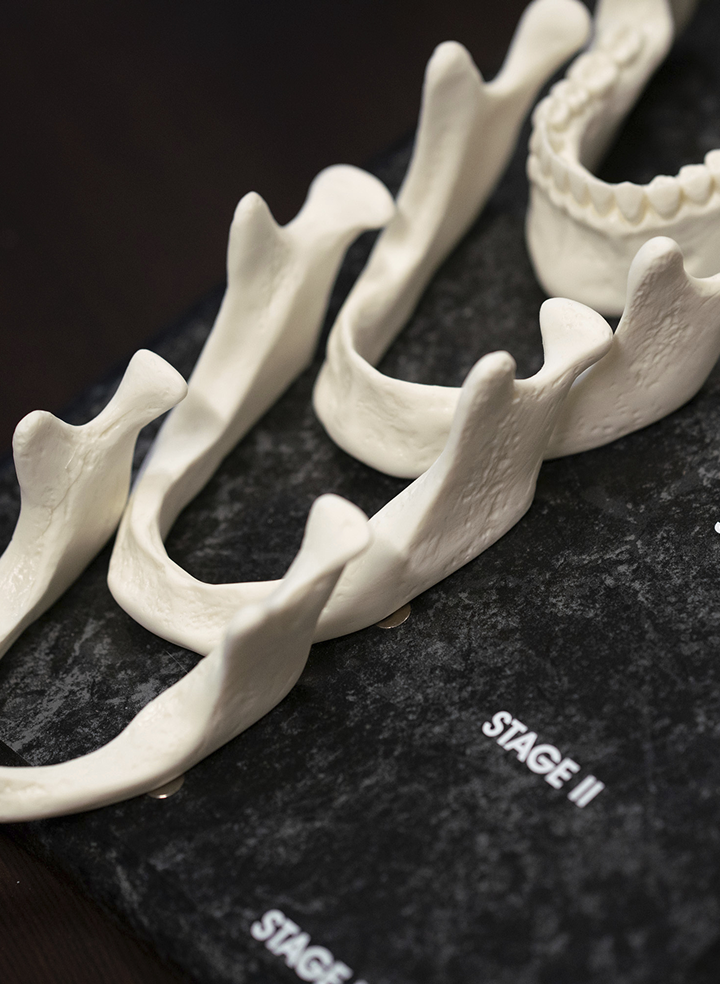
Dental bone grafting is used to help create or preserve bone in an area where additional support may be needed for a future dental implant or another part of treatment. The mineralized graft material provides an environment in which healing and bone development can take place over time.
When clinicians describe a graft as unsuccessful, they generally mean that the bone particles in the graft have not integrated or developed enough healthy bone to support the next planned step.
Graft materials, procedures and treatment areas vary, so there is no single appearance or recovery timeline that applies to every patient. A small socket graft after a tooth extraction, for example, is not the same procedure as a larger reconstruction of an area attempting to rebuild significant bone loss. The doctor who performed the procedure is in the best position to tell you what should be expected at your particular stage of healing.
If the graft does not develop as intended, that does not necessarily end the possibility of dental implant treatment. It may change the treatment sequence, add healing time or lead the clinician to consider another approach.
What does normal bone-graft healing feel like?
Early recovery may include swelling, tenderness, bruising and minor bleeding. The intensity and duration depend on the procedure, the treatment area and individual healing. Your post-treatment instructions should give you a more specific idea of what to expect.
Recovery also does not necessarily improve in a perfectly straight line from hour to hour. Swelling may become more noticeable before it begins to settle, and tenderness may be more apparent when eating or cleaning near the area. A single uncomfortable moment is usually less informative than the overall pattern.
A useful question is whether things are generally moving in the right direction. If symptoms begin improving and then noticeably worsen, or if something new develops that was not part of the recovery your clinician described, contact the office. You do not need to determine whether the graft has failed before making that call.
What are possible signs of a bone-graft complication?
Symptoms that should be discussed with the treating dental team include pain or swelling that is worsening rather than improving, fever, drainage, increasing redness, wound opening, persistent numbness, a bad taste or odor that concerns you, or bleeding that is difficult to control.
Some patients also notice small particles of graft material during early healing. Seeing a small particle does not by itself mean the graft has failed. The significance depends on the type of procedure, how much material is involved and whether there are other symptoms such as pain, swelling or drainage. Do not probe the area or try to push material back into place yourself.
For less urgent concerns, the office may ask you to describe what you are experiencing or send a photograph to help determine how quickly you should be seen. A photograph can be useful for triage, but it cannot provide the same information as an examination when the clinician believes one is needed.
Trouble breathing, difficulty swallowing, uncontrolled bleeding or another severe symptom requires urgent medical attention rather than waiting for a routine dental follow-up.
What can affect how a dental bone graft heals?
Bone-graft healing depends on a combination of the procedure itself and the patient’s biology. The size and location of the graft, blood supply to the area, wound stability and the condition of the surrounding tissue can all influence recovery. General health and medications may matter as well, particularly when they affect bone or healing.
Smoking and other nicotine exposure can interfere with oral healing, which is why clinicians ask about tobacco and nicotine use before and after treatment. Oral hygiene is also important immediately after surgery. The surgical site needs to be cleaned according to the specific instructions provided rather than treated like an ordinary area of the mouth.
Physical pressure or trauma can create problems during recovery. A denture or other appliance that presses on the surgical site, chewing directly over the area before you have been cleared to do so, or disturbing the wound can affect healing. Follow the instructions you receive about food texture, brushing, rinsing, activity and the use of dentures or other appliances.
If medication is prescribed, especially antibiotics, take it according to the instructions and contact the care team if you experience side effects or are unsure how to use it. Do not add supplements, rinses or home remedies to the area without checking with the treating clinician.
It is also important not to treat a healing problem as proof that the doctor or the patient did something wrong. Biology varies, and complications can occur even when someone follows instructions carefully. If there is a concern, the useful response is to tell the care team what has been happening so they have the information needed to evaluate it.
How does a dentist determine whether a graft has failed?
The evaluation begins with what you have been experiencing and what the clinician sees during an examination. The team may ask when symptoms started, whether they have improved or worsened, what medications you have taken and whether anything changed shortly before the problem appeared.
Depending on the stage of healing and the concern, imaging may also be appropriate. The purpose is not simply to decide whether the graft gets a “pass” or “fail.” The clinician is trying to understand the condition of the soft tissue, graft material and developing bone, and whether infection or another problem needs attention.
That distinction matters because different problems can lead to different next steps. A soft-tissue issue may not require the same response as an infection or inadequate bone development. An examination gives the team the context that a symptom checklist cannot.
If you are returning for a follow-up because something feels wrong, write down when the symptom began and how it has changed. Bring an updated medication list and mention any missed doses, illness, nicotine exposure, injury or pressure from a denture or appliance near the graft. Those details could make the visit more productive.
What happens if a bone graft does not heal as planned?
There is no single next step for every unsuccessful graft. The clinician first needs to identify what has happened and whether there is an active problem that needs to be treated.
If infection is present, addressing it becomes the immediate priority. If the area simply has not developed enough bone for the original implant plan, the team may need to allow additional healing, consider another grafting procedure or discuss a different implant approach. In some situations, the restorative plan itself may need to change.
A repeat graft may be possible, but that decision should come after the reason for inadequate healing has been evaluated. Repeating the same procedure without understanding what happened the first time would not answer the most important question.
Ask your clinician what the finding means for the larger treatment plan. If another procedure is recommended, find out what problem it is intended to solve, whether alternatives exist and how it changes the expected timeline.
Does bone-graft failure mean I can’t get dental implants?
Not necessarily. A grafting problem can delay or change implant treatment without eliminating it altogether.
After the area has been evaluated and any active problem has been addressed, the team can reassess the amount and quality of available bone, the condition of the gums and the original implant plan. Depending on those findings, possibilities may include additional healing time, another graft, a change in implant position or a different restorative approach.
This is one reason it helps to think about bone grafting as one stage in a larger treatment plan rather than as an isolated procedure. The goal is not simply to make the graft heal. The goal is to create conditions that support the treatment being planned afterward.
If the original treatment plan changes, ask the team to explain the revised sequence in writing so you understand what comes next and why.
How can a healing problem affect the dental implant timeline?
A bone graft needs time to heal before the care team can determine whether the area is ready for the next stage of treatment. If healing is delayed or the graft does not provide the expected support, implant placement may need to be postponed.
The amount of additional time depends on what happened and what treatment is needed next. A patient who needs more healing time will have a different schedule from someone who requires another grafting procedure. Timing can also differ depending on whether the graft was performed before implant placement, at the same time as implant placement or as one part of a larger treatment plan.
This can be frustrating, particularly if you began treatment with a specific date in mind. Ask your care team for an updated sequence rather than comparing your recovery with another patient’s experience. Two people who both had a “bone graft” may have had very different procedures.
What should I do if I’m worried about my bone graft?
Start with the aftercare instructions you received from the treating office. Continue protecting the site, maintain oral hygiene as directed, keep follow-up appointments and follow the instructions about eating, activity, medication, dentures and nicotine.
Then pay attention to the direction of recovery. If pain or swelling is worsening, a new symptom appears, bleeding is difficult to control, or you simply are not sure whether what you are experiencing is expected, call the office. You are not wasting anyone’s time by asking a reasonable recovery question.
Try not to diagnose the graft by comparing it with photographs or recovery stories online. Surgical sites can look different because of lighting, graft location, incision design, material and stage of healing. Your symptoms, procedure and clinical examination provide the context needed to interpret what you are seeing.
Questions to ask at a bone-graft follow-up
If you are being seen because of a recovery concern, these questions can help you leave with a clearer understanding of what happens next:
Does the site appear to be healing as expected for this stage?
Is the concern related to soft tissue, graft material, infection or bone development?
What symptoms should improve next, and over what general timeframe?
What symptoms should prompt another call or urgent evaluation?
When and how will you determine whether enough bone has developed?
If the graft is not adequate, what options may still be available?
Does this change the timing of my dental implant treatment?
Should I change anything about eating, cleaning, medication or wearing my denture or appliance?
Write down the answers if there are several instructions to remember. If someone is helping you during recovery, sharing those instructions with them can also make it easier to follow the plan at home.
Frequently asked questions
Can a failed dental bone graft be redone?
Sometimes. The clinician first needs to determine why healing was not adequate and whether infection or another problem needs treatment. Depending on the findings, another graft or a different treatment approach may be considered.
Does seeing bone-graft material mean the graft failed?
Not necessarily. Small graft particles may sometimes be noticed during healing. Contact the treating office if you are concerned, particularly if you notice a larger amount of material or symptoms such as worsening pain, swelling or drainage.
Can an infection affect a dental bone graft?
Yes. Infection can interfere with healing and should be evaluated promptly. Fever, drainage, worsening swelling, increasing pain or a persistent bad taste are reasons to contact the care team.
Will a failed bone graft rule out dental implants?
Not automatically. Once the area has been evaluated and any active problem treated, the dental team can reassess the available bone, oral health and possible implant or alternative treatment approaches.
Should I wait until my scheduled follow-up if I’m concerned?
If your symptoms are worsening, new or different from what your clinician told you to expect, contact the treating office rather than waiting simply because a follow-up is already scheduled. The team can tell you whether you should be seen sooner.
Next steps
If your bone-graft recovery feels different from what your clinician described, contact the dental team that performed the procedure. You do not need to determine on your own whether the graft has failed before asking for guidance. Describe what you are experiencing, when it began and whether it is getting better or worse so the team can decide what kind of follow-up is appropriate.
If you are still considering dental implant treatment and have been told that bone grafting may be part of the process, schedule a free consultation with ClearChoice. The team can review your oral health and 3D x-ray imaging, explain why grafting may or may not be recommended and discuss how it would fit into the larger implant treatment plan.
This article is intended for general educational purposes and cannot diagnose a bone-graft complication. Recovery instructions and expected symptoms vary by procedure and patient. Contact your treating clinician about concerns and seek urgent medical care for severe symptoms such as trouble breathing, difficulty swallowing or uncontrolled bleeding.