Last updated 10.12.2026
Dental care in Chicago: What to know if you are living with missing or failing teeth
Written by: Dr. Brandon Heroth, DDS
Living with missing or failing teeth in Chicago? Learn about tooth-replacement options, dental implants, bone health and what to expect at a consultation.

Putting off dental care is not always a matter of putting off your health. In a city as large as Chicago, cost, insurance, transportation, work schedules, caregiving responsibilities and difficulty finding convenient care can all make dental treatment harder to fit into everyday life.
When care has been delayed, dental problems can also begin to multiply. A tooth that once needed a filling may eventually need more extensive treatment. Gum disease can progress. Missing teeth may remain unreplaced for years while other teeth begin to shift. By the time someone returns to a dentist, they may be dealing with several concerns rather than one isolated problem.
If that describes you, the first appointment does not need to be about what should have happened years ago. It should be about what is happening now. The condition of your remaining teeth, gums and jawbone, along with your health history and goals, can help determine whether natural teeth can be treated and which replacement options may be appropriate for teeth that cannot be saved.
What happens when dental care has been delayed?
Dental conditions do not all progress at the same rate, so being away from the dentist for several years does not tell a clinician exactly what they will find. Some people return with relatively limited needs. Others may have extensive decay, gum disease, broken teeth or missing teeth that have changed the way they eat and speak.
This is why an examination matters more than details about how long it has been since your last visit. The dental team needs to determine which teeth are healthy, which may be treatable and which, if any, have a poor prognosis.
If you already wear a partial or full denture, its condition is part of that evaluation too. A denture that has become loose, uncomfortable or difficult to eat with may reflect changes in fit or in the tissues and bone beneath it. Bring the appliance to your consultation even if you do not wear it regularly.
The goal is to build an accurate picture of your mouth today. From there, treatment can be prioritized rather than trying to solve every concern at once.
Missing teeth do not always require the same solution
The number and location of missing teeth influence which replacement options make sense. Replacing one tooth is different from replacing several teeth, and both are different from replacing an entire upper or lower arch.
For a single missing tooth, options may include a dental implant or a traditional bridge, depending on the condition of the neighboring teeth, available bone and other factors. Several missing teeth may be addressed with an implant-supported bridge or removable partial denture as a restorative approach.
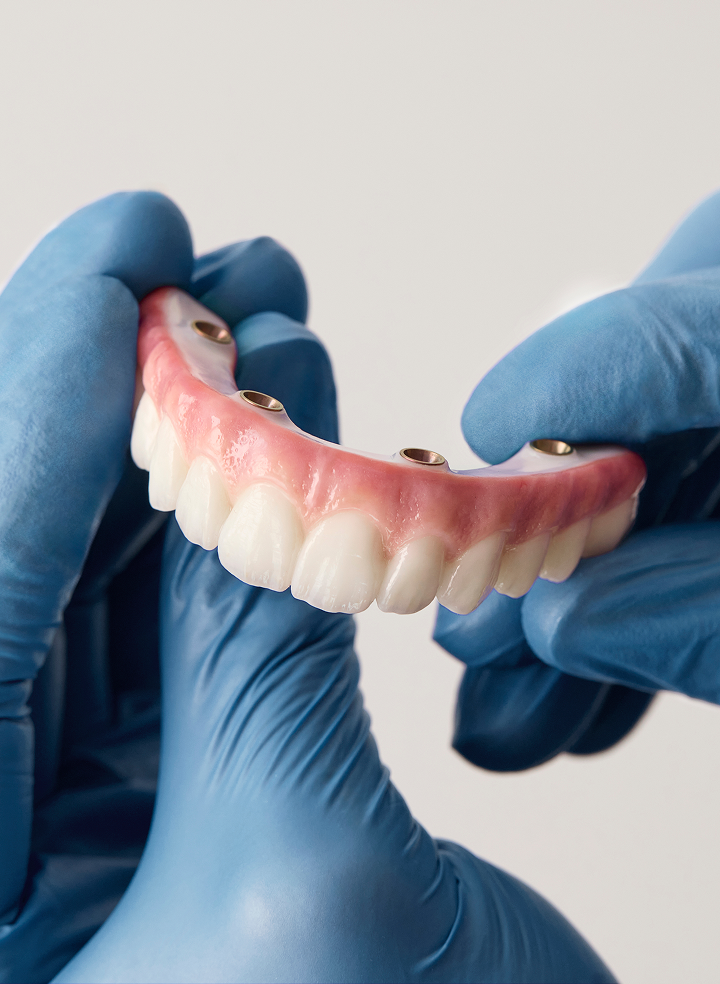
When most or all of the teeth in an arch are missing or cannot be restored, the discussion may include a traditional full denture, an implant-supported removable denture or a fixed full-arch restoration supported by dental implants.
Those options involve different tradeoffs in treatment requirements, stability, removability, cleaning, and cost. The purpose of a consultation is not simply to determine whether implants are possible. It is to understand which options address your dental problem and how each one would fit into your daily life.
What if your remaining teeth are failing?
People with several damaged teeth sometimes assume that full-mouth dental implants are the inevitable next step. That conclusion should come from an examination, not from calculating the number of crowns, fillings or dental problems you have had.
A clinician should evaluate which teeth may still be treated and what the long-term outlook is for those teeth. The condition of the gums and supporting bone matters, as do decay, fractures, infection, previous dental work and how the teeth function together.
If removing teeth is recommended, ask why they are considered non-restorable or poor candidates for continued treatment. You can also ask whether keeping particular teeth would change the replacement options for the rest of the mouth.
This is especially useful when comparing treatment plans. One provider may be proposing treatment for several natural teeth while another is recommending extraction and full-arch replacement. Understanding why the plans differ is more informative than comparing the final prices alone.
Why does jawbone matter for dental implants?
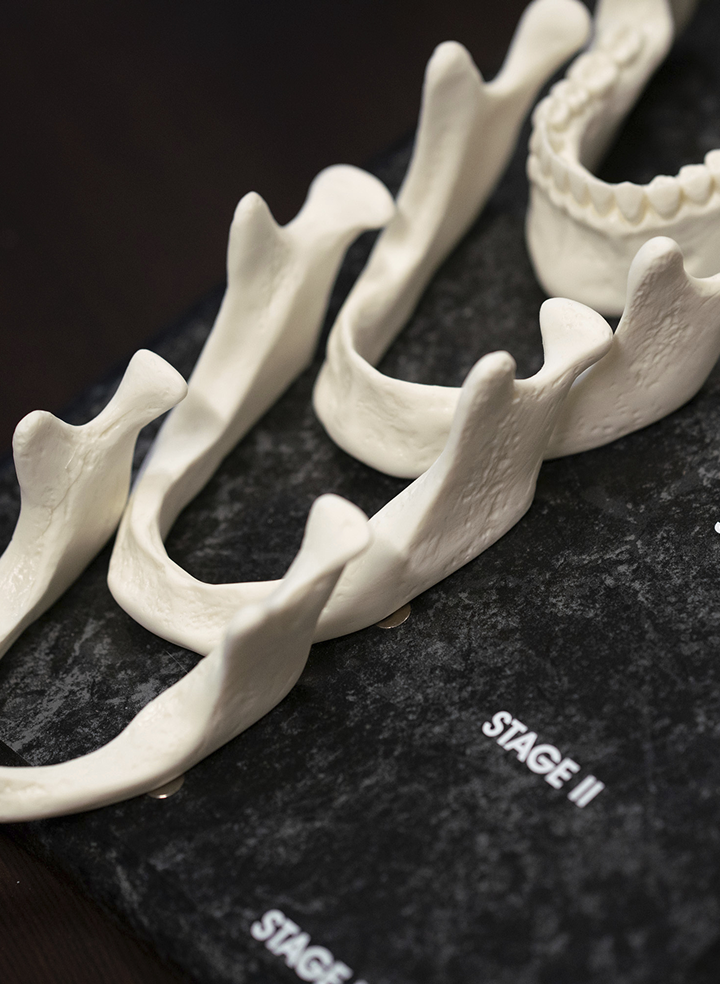
Dental implants are placed in the jawbone, so the amount and location of available bone are central to planning. Bone can change after teeth are lost because natural tooth roots are no longer present in those areas which allows the bone to shrink.
That does not mean someone who has been missing teeth for years should assume they cannot receive implants. It means the bone needs to be evaluated rather than guessed at.
A 3D CBCT x-ray scan provides detailed information about the jaw and nearby oral structures. The dental team can use that imaging to evaluate possible implant positions and determine whether the available bone supports the proposed treatment or whether grafting, another preparatory procedure or a different approach should be discussed.
If you were told years ago that you did not have enough bone for implants, bring that history to the consultation. A current evaluation can show what your anatomy looks like now and what treatment approaches may be considered today.
Does age determine whether you can have dental implants?
There is generally no universal upper age limit for dental implants. Oral health, bone, medical history, medications, healing considerations and the proposed procedure are more useful for treatment planning than age alone.
Bring an accurate medication list to the consultation, including prescription medications, over-the-counter products and relevant supplements. Tell the team about significant medical conditions, recent hospitalizations or procedures and any history that could affect healing or dental treatment.
Do not stop a prescribed medication because you think it could interfere with implant surgery. If the dental team has a concern about a medication or health condition, they can explain whether additional information or coordination with another healthcare professional is needed.
Practical health considerations matter as well. Mobility, dexterity, transportation and the ability to maintain the restoration can influence how a treatment plan works in everyday life without necessarily ruling out implant care.
What should you expect at a Chicago dental implant consultation?
A useful consultation should answer two basic questions: what is happening in your mouth, and what can reasonably be done about it?
The team will review your dental concerns and goals, examine your mouth and discuss your medical history. When dental implants are being considered, 3D x-ray imaging can help evaluate the jawbone and relevant anatomy. If you have existing dentures, recent dental records or information about previous implant or grafting consultations, bring them when available.
At ClearChoice, surgical and restorative planning are coordinated during the implant treatment process. That means the team is considering not only where implants may be placed, but also how those implants will support the proposed replacement teeth.
This is also where you should describe the problems that matter outside the dental office. If you avoid certain foods, have difficulty speaking clearly with a loose denture, feel uncomfortable smiling or are tired of repeated repairs to failing teeth, say so. Those concerns help define what a successful treatment plan should address.
You should leave the consultation understanding the major options, why one specific option may be recommended, what treatment would involve and what information is still needed before a final decision can be made.
What does same-day implant treatment mean?
For qualifying full-arch patients, it means that implant placement and delivery of provisional replacement teeth can occur on the same procedure day. Some patients may qualify for same-day implants after their clinical evaluation and treatment planning and may leave procedure day with a provisional prosthesis.
Those provisional teeth are used while the implants and surrounding tissues heal. They are not the final restoration.
If same-day treatment is important to you, ask what your 3D x-ray imaging and treatment plan indicates to your ClearChoice implant team. They can explain if special implants or preparatory procedures might be needed. The care team can explain whether same-day treatment may be appropriate based on your individual circumstances. The care team can provide more detail on what happens on procedure day, what type of teeth you would wear during the healing of the implants, and when the final restoration would be made.
Patients also need to follow the care team’s instructions about food texture and chewing while implants heal. Receiving provisional teeth immediately does not mean the implants are ready for unrestricted chewing on the day they are placed.
Think about Chicago travel before treatment begins
Location can become more important with implant treatment because care usually involves more than the procedure itself. Consultations, postoperative checks, healing evaluations, provisional adjustments, final restorative appointments and long-term maintenance may all require visits.
ClearChoice has a Chicago center at 630 W. Washington Blvd., with additional Chicago-area centers in Downers Grove and Schaumburg. Which location makes the most sense may depend on where you live, work and who will help with transportation if assistance is needed.
For someone traveling from another part of the city, a relatively short distance on a map can become a longer trip depending on traffic, public transportation and appointment time. If you are traveling from the suburbs, the same issue works in reverse.
Convenience should not determine the clinical treatment, but it can make a meaningful difference in whether follow-up care fits realistically into your life.
How should you compare tooth-replacement costs?
When several teeth or a complete arch needs treatment, price comparisons can become confusing quickly. A quoted amount may refer to one implant, one arch, both arches or only one stage of treatment.
Start by comparing the treatment scope. Ask whether an estimate includes x-ray imaging, extractions, bone grafting or other preparatory care when needed, implant placement, provisional teeth, final teeth, restoration materials and follow-up. If two estimates include different things, the lower number may represent a lower cost but may also represent a less involved treatment.
For someone who has delayed dental care partly because of cost, it can be tempting to begin with the monthly payment. Instead, first understand the recommended treatment and its complete price. Then evaluate financing separately by looking at the interest rate, fees, repayment term, monthly payment and total amount you would repay.
Insurance benefits also vary by plan. Verify your coverage and reimbursement requirements rather than assuming that medical or dental insurance will pay for a particular implant procedure.
A complete estimate will not make treatment inexpensive, but it can make the financial decision easier to understand.
What if you’re anxious about returning to dental care?
A long gap between dental visits can make the next appointment feel harder to schedule. Some people are worried about pain or procedures. Others are embarrassed by the condition of their teeth or expect to be criticized for waiting.
You can tell the dental team that you are anxious or that it has been a long time since your last appointment. That information helps them understand what may make the visit easier for you.
If the treatment discussion begins to feel overwhelming, focus on the next decision rather than every possible stage. Ask what needs attention first, what can wait and which choices need to be made before moving forward.
You can also bring a trusted family member or friend if you want another person to listen and take notes. A consultation can involve unfamiliar terminology and a lot of information, so having a second set of ears may be useful.
Returning to dental care does not obligate you to begin a particular treatment. The first goal is to understand your current oral health and the options available.
Questions to ask before choosing a Chicago implant provider
A consultation should give you enough information to compare more than advertisements, photographs and prices.
Consider asking:
Which of my natural teeth can still be treated?
Why are any teeth being recommended for removal?
What does my 3D x-ray scan show about available bone?
Which tooth-replacement options are appropriate for me?
Would I need bone grafting or another preparatory procedure?
Is the proposed restoration fixed or removable?
What would I wear while implants heal?
How many visits should I expect from consultation through final teeth?
Where will my follow-up appointments take place?
How will I clean and maintain the restoration?
What is included in the written estimate?
What circumstances could change the treatment plan, timeline or cost?
If two providers recommend different treatments, ask each one to explain the reasoning. Understanding the diagnosis and treatment sequence makes it much easier to compare plans intelligently.
Frequently asked questions
Can I get dental implants if I haven’t been to a dentist in years?
The length of time since your last dental visit does not determine implant candidacy. An assessment from a clinician can evaluate your current oral health, available bone, medical history and treatment needs.
Can I get implants after wearing dentures for many years?
Some long-time denture wearers can receive implants. Because the jawbone can change after tooth loss, 3D x-ray imaging helps determine the amount and location of available bone and which treatment options may be appropriate.
Do all failing teeth need to be removed for implants?
No. Teeth should be evaluated individually and as part of the overall restorative plan. Ask which teeth may still be treated and why extraction is being recommended for any that cannot be predictably restored.
Can I receive replacement teeth on the same day as implant surgery?
Some patients may qualify for same-day implants following clinical evaluation and treatment planning and may receive a provisional prosthesis on procedure day. For those whose bone quality does not qualify for fixed provisional teeth on surgery day, they will be given provisional teeth as soon as possible after surgery, and final teeth are delivered later after appropriate healing.
How many trips will dental implant treatment require?
The number of visits varies by treatment plan. Full-arch care may involve consultation and x-ray imaging, procedure day, postoperative checks, healing evaluations, restorative appointments and long-term maintenance. Ask for an expected visit schedule based on your individual treatment plan.
Next steps
If you’ve delayed dental care because of cost, anxiety, transportation or simply because life kept getting in the way, you do not need to solve every dental problem before making an appointment. The first useful step is finding out what can still be treated, what needs to be replaced and what options fit your current health and goals.
Schedule a free consultation at a Chicago-area ClearChoice center to review your oral health and 3D x-ray imaging, discuss appropriate tooth-replacement options and receive an individualized treatment plan and estimate.
This article is intended for general educational purposes and does not replace personalized medical or dental advice. Dental implant candidacy, treatment needs, recovery, costs, timelines and results vary by patient.