

Full mouth dental implant procedure: What to expect
Struggling with missing teeth, uncomfortable dentures, or chronic dental issues? You may be eligible for full mouth dental implants. Read to learn about the full mouth dental implant process.
The full mouth dental implant procedure: A breakdown
The initial consultation
Your Smile Design appointment
Day of surgical procedure
Osseointegration and healing
Final dental implant restoration
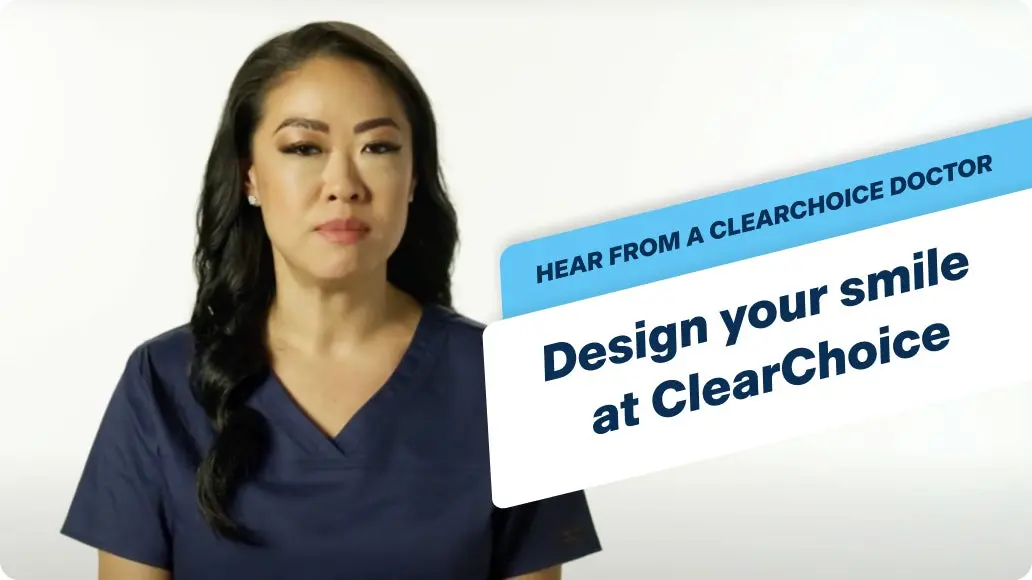
Rebuild your confidence
Restoring your smile can restore your confidence and comfort, too. Here’s what Dr. Jennifer Kim has to say about the benefits of a smile built for life.
Dental implant recovery timeline: What to expect
Recovery from full mouth dental implants occurs in phases, with each healing stage contributing to long-term success.
Pain, swelling and bruising
(1-3 days)
Initial recovery
(1–2 weeks)
Osseointegration
(1–6 months)
Final restoration
(3–6 months)

Activity and work restrictions
Most patients are able to return to work within about 1 week, depending on the extent of the surgery and if you are taking prescription pain medications—in which case, further recovery time may be required. In addition:
Activities, such as heavy lifting or vigorous exercise, should be avoided for the first 3 to 5 days, as increased blood pressure or movement of the jaws may disrupt the sutures.
Driving is typically considered safe within 24 to 48 hours, after surgery with sedation medication. However, driving while taking prescription pain medications is not advised. If you are taking over-the-counter pain medications and you feel alert and comfortable behind the wheel, you may drive.

Do you get teeth while you heal?
In most cases, yes—permanent trial teeth are placed on the same day as your surgical procedure. These trial teeth are designed to support daily functions like speaking and chewing, while helping maintain your appearance during the healing process.
They can also play a role in supporting the soft tissue and preserving jawbone stimulation, which may be beneficial during osseointegration. While not intended as the final teeth solution, they offer comfort and continuity while your mouth heals and your final restoration is being prepared.
Tips for faster, safer healing
1
Diet and oral hygiene
In the first few days after surgery, stick to a soft or even liquid diet to protect the suture line of the gums and minimize discomfort. Cool or cold foods help decrease swelling (similar to ice packs on the face used during the first 48 hours). Eat soft foods like yogurt, mashed potatoes, applesauce, and scrambled eggs. Avoid anything crunchy, sticky, spicy, or hot.
It’s typically safe to brush after the first 24 hours; use a soft-bristled toothbrush and avoid the surgical area until your provider advises otherwise. Starting on Day 2, your ClearChoice doctor may also recommend gently rinsing with a saltwater solution or antibacterial mouthwash to help reduce bacteria and soothe the tissue.
2
Avoid implant complications
Protecting your dental implants during the healing process is essential for long-term success:
Avoid smoking both before and after surgery. Smoking has been shown to significantly impair healing and increase the risk of implant failure.
Take care not to disturb the surgical site with your fingers, tongue, or food, as this may introduce bacteria or disrupt the healing tissue.
Most importantly, follow all post-operative care instructions provided by your ClearChoice Dental Implant Center team.
3
Contact your ClearChoice dental team as needed
While some discomfort and swelling are expected after surgery for full mouth dental implants, certain signs or symptoms may indicate a need for professional attention. You should contact your ClearChoice team if you experience:
Pain that worsens or does not improve after several days
Swelling that increases beyond Day 3
A persistent fever
Unusual discharge near the surgical site
Excessive bleeding that does not stop with gentle pressure
If you're unsure whether a symptom is normal, it’s always better to check in
Factors that affect healing time
Health, age, and lifestyle
How quickly you heal after dental implant surgery depends on a few factors. Healing may progress more slowly in individuals with certain health conditions, like diabetes or autoimmune disorders, which can affect the body’s ability to regenerate tissue.
Smoking significantly delays healing and increases the risk of implant failure. Medications like corticosteroids or immunosuppressants may slow recovery by reducing the body’s natural healing.
Bone grafting or sinus lift
If your treatment plan includes a bone or sinus graft, you can generally expect a longer overall treatment process and longer healing timeline. These surgical procedures are sometimes necessary to build up the bone structure to enable successful implant placement.
Type of treatment (single vs. full mouth)
Your recovery experience depends on your treatment. Symptoms during initial recovery may take longer to resolve for full mouth (or full arch) implant restorations than single dental implants, but the timeline to final restoration only differs by a few weeks.
While recovery for each patient may differ slightly, the majority of patients find the process manageable with the support and guidance of their ClearChoice team.

Long-term maintenance and follow-up
Caring for your full mouth dental implants doesn’t end once your final restoration is placed. Daily oral hygiene and regular follow-up visits are essential to maintaining long-term function. Good oral hygiene can help prevent complications such as gum inflammation or peri-implantitis.
Over time, certain prosthetic components or the teeth themselves may require adjustments or replacement due to normal wear. Avoid chewing on hard objects like ice, pens, or hard candy, which may damage the prosthesis. Your ClearChoice team will advise you on the care plan for your specific restoration.

Why full mouth dental implants can be worth the investment
Most patients report a significant improvement in their ability to eat, speak, and smile freely after completing treatment. With proper care and maintenance, the titanium implants at the heart of the procedure can last a lifetime, providing a stable foundation for a durable, natural-looking smile.
ClearChoice offers an all-in-one treatment approach that includes surgical implant placement, permanent trial and permanent final teeth, and follow-up care—with no unexpected fees or fragmented services. While ClearChoice does not accept insurance payment, we partner with third-party financiers to help lessen the burden of payments by breaking them out over time.
Why patients say we’re the ClearChoice
Learn why ClearChoice has more than 25K 5-star Google reviews and counting.


