Last updated 03.17.2026
Do dental implants hurt? What pain is normal and how long it may last
Wondering how long dental implants hurt? Learn what pain after dental implant surgery may feel like, what’s common during recovery, and when to call your ClearChoice Dental Implant Center team.

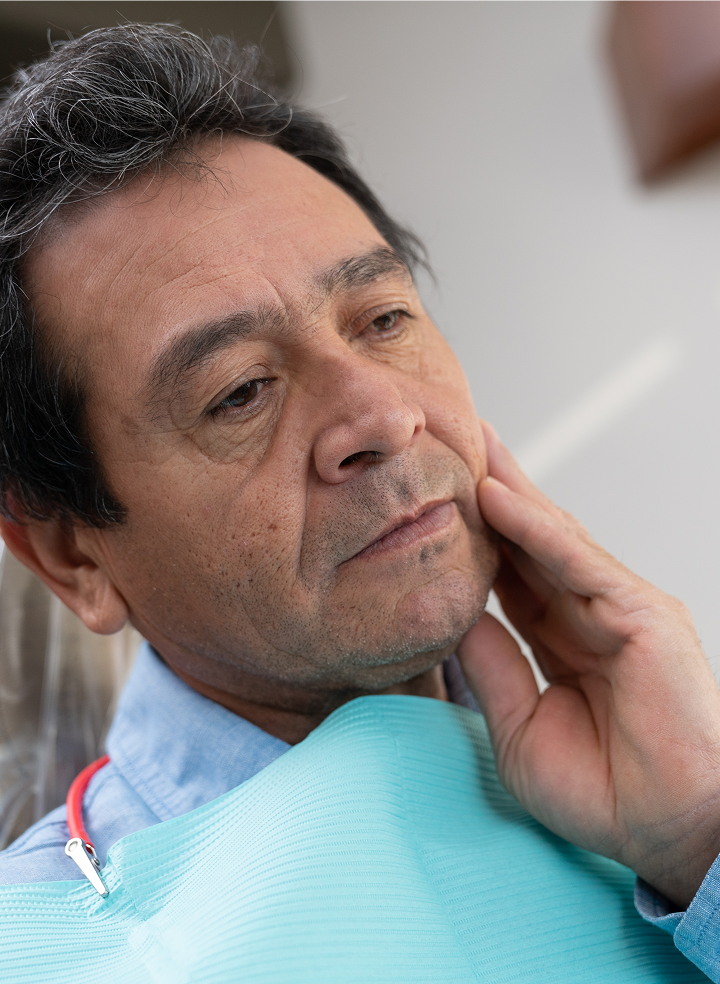
If you're researching dental implants, one of the first questions you might ask is: Do dental implants hurt?
It's a common concern. Searching for "are dental implants painful," "pain after dental implant," and "how long do dental implants hurt" reflect how important this question is for people considering treatment.
The short answer? Some discomfort is normal — but experiences vary. Understanding what's typical, how long soreness may last, and when to contact your provider can help you plan with confidence.
Quick answer: Dental implant discomfort is common, but it varies
Most people report some soreness or tenderness after implant placement. However:
Pain levels vary by person
The number of implants placed may influence recovery
Additional procedures (such as bone grafting bone grafting) may affect healing
Overall health and healing response differ
Many individuals describe the discomfort as manageable and improving over time. That said, "normal" recovery can look different for everyone.
Why dental implants can hurt (and what the process includes)
To understand pain after dental implant surgery, it helps to understand the process.
Dental implant treatment typically includes two phases:
Surgical phase – Placement of the implant post in the jawbone
Restorative phase – Placement of the final crown, bridge, or full-arch restoration
During the surgical phase, tissues and bone are gently prepared to receive the implant. Healing tissues may cause temporary swelling, soreness, or tightness as the area recovers.
Temporary restorations, bite adjustments, and changes in chewing patterns may also contribute to mild sensitivity.
Anesthesia and sedation options vary depending on the provider, procedure, and individual case.
Pain after dental implant surgery: A realistic timeline
Everyone heals differently, but here's a general overview of what many patients experience.
First 24–48 hours
You may notice:
Tenderness around the implant site
Mild bleeding or oozing
Swelling or tightness in the gums
Sensitivity when chewing
For some individuals, swelling may peak around day two before gradually improving.
Days 3–7
During this period:
Swelling often begins to decrease
Soreness may still be present
Chewing near the implant site may feel sensitive
Bruising (if present) may fade
Many people feel noticeable improvement during this phase.
Week 2 and beyond
By this time:
Most acute soreness has resolved
Mild sensitivity may linger for some individuals
Soft tissue healing continues
If you experience throbbing pain after dental implant surgery that worsens instead of improves, it may be appropriate to contact your provider for evaluation.
Months later: Why an implant might hurt years later
Pain long after implant placement is uncommon but can happen for various reasons.
If you experience:
Sudden discomfort months or years later
Bite pain
Swelling or redness
An evaluation is recommended. Avoid self-diagnosing; your provider can assess the situation appropriately.
What dental implant pain may feel like
Common sensations during recovery may include:
Gum soreness at the implant site
Pressure or tenderness when chewing
Mild swelling
Sensitivity in neighboring teeth
Occasional bruising
Severity varies. Some people experience minimal discomfort, while others may feel more pronounced soreness in the first few days.
What may help with dental implant soreness
If you're wondering how to relieve pain from a dental implant, general guidance may include:
Following your provider's post-operative instructions closely
Using a cold compress early (if recommended)
Eating soft foods and chewing gently on the opposite side when advised
Keeping the surgical area clean as instructed
Taking medications only as directed by your provider
Always follow the specific instructions provided by your care team.
Red flags: When to call your provider right away
While mild soreness is common, contact your provider promptly if you experience:
Pain that worsens instead of improves
Severe swelling or fever
Persistent bleeding that does not slow
Foul taste or drainage
Numbness or tingling that does not improve
The implant feeling loose
Trouble swallowing or breathing (seek urgent care)
When in doubt, it's always appropriate to reach out to your care team.
Dental implants vs extractions: Is implant pain worse than tooth pain?
Some people compare implant discomfort to the pain of an infected or failing tooth.
It's important to distinguish between:
Chronic tooth pain, which may be constant and inflammatory
Surgical soreness, which is part of the healing process
Experiences differ. Many patients report that surgical soreness feels different from infection-related pain — and often improves steadily with healing.
What to expect at ClearChoice Dental Implant Center
At ClearChoice Dental Implant Center, pain management and recovery expectations are discussed as part of your consultation.
Your visit may include:
Review of your medical history
Imaging to assess anatomy and bone levels
Explanation of the surgical and restorative phases
Clear post-operative instructions
Scheduled follow-up visits
Long-term maintenance guidance
Coordinated planning between surgical and restorative phases may help support predictable outcomes and recovery.
If cost planning is part of your decision, third-party financing options may be available for qualified applicants.
FAQs: Dental implant pain
Do dental implants hurt during surgery?
Anesthesia or sedation is typically used during the surgical phase. Sensations during the procedure vary, and your provider will discuss what to expect based on your case.
How long do dental implants hurt after surgery?
Many people experience soreness for several days. Discomfort often improves within the first week, though healing timelines vary.
Is throbbing pain normal after dental implants?
Mild soreness can be normal. Pain that is severe, worsening, or persistent should be evaluated by your provider.
What if my implant hurts when I bite down?
In general you should avoid biting on a newly placed implant even if it does not hurt. Sensitivity during early healing may occur. Once your doctor OK's biting on the implant, if biting pain continues or worsens, contact your provider for evaluation.
Can pain happen months or years later?
Late discomfort is uncommon but possible. Any new or persistent pain should be assessed by a professional.
How long can dental implants last?
Dental implants are designed to be implants that can last a lifetime with proper care, though restorations may require maintenance over time depending on individual factors.
Planning your recovery with confidence
If you're asking, "Does a dental implant hurt?" the most accurate answer is that recovery experiences vary — but many patients report manageable soreness that improves over time.
Understanding the timeline, following your provider's guidance, and knowing when to call can help you feel more prepared.
If you're considering dental implant treatment and want to discuss what recovery may look like in your specific case, scheduling a consultation at ClearChoice Dental Implant Center can help you move forward with clarity.