Last updated 01.22.2026
How dental restoration evolved from seashells and ivory to implants
Explore the evolution of dental restoration—from seashells and animal bone to today’s advanced dental implant technology.
Tooth replacement has a long (and sometimes surprising) history. Long before today’s advanced materials, people tried everything from seashells and gold wire to ivory, animal bone, and even human teeth to restore function—or simply the look of a complete smile.
At ClearChoice Dental Implant Center, we believe understanding where dentistry has been helps explain why modern solutions, like dental implants, are designed the way they are today: to restore function, comfort, and natural-looking aesthetics using materials chosen for strength and biocompatibility.
One important note before we jump into the timeline: when people talk about “dental implant material,” they may be referring to different parts of the restoration:
Implant (the post-like part placed in the jawbone): commonly titanium in modern implant dentistry
Abutment (the connector): can vary by case and design
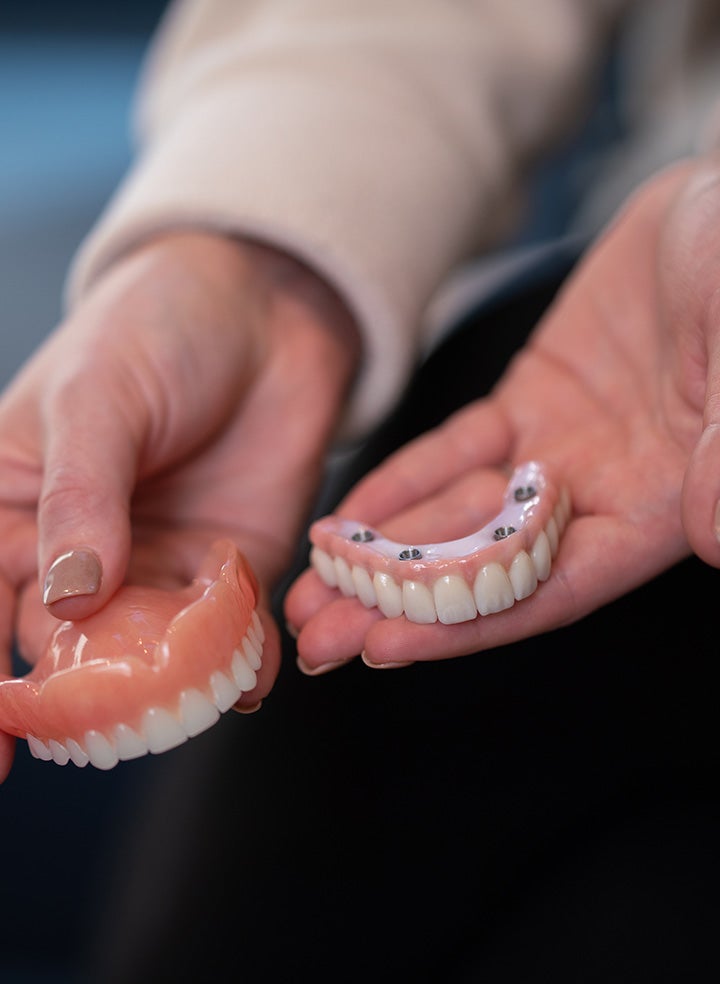
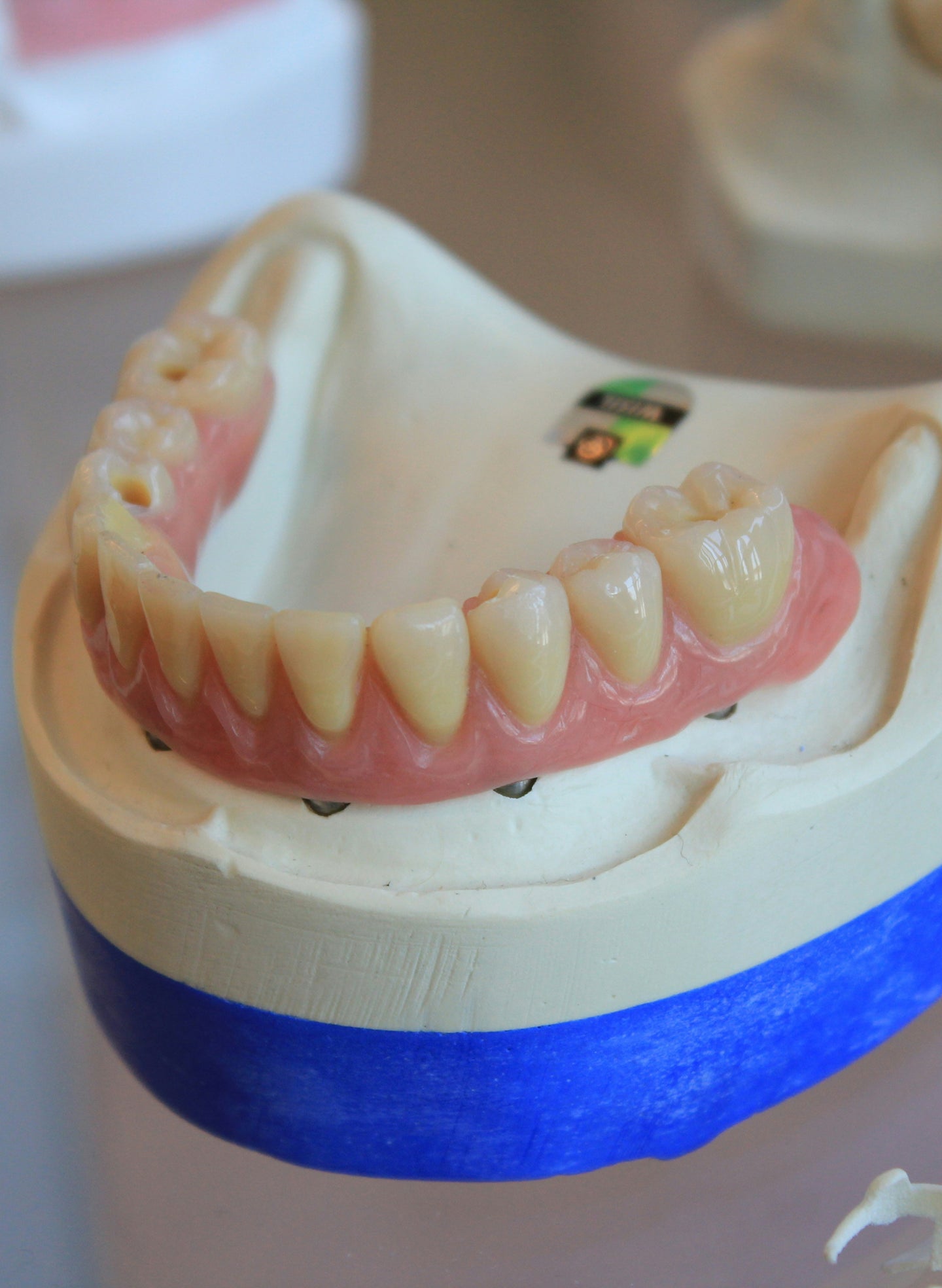
Crown / arch (the visible teeth): may be made from materials like zirconia or acrylic depending on the restoration type
With that in mind, here’s how tooth restoration evolved—from early experimentation to the implant technology used today.
Strange materials used in early tooth replacements
Seashells and gold in ancient civilizations
Some of the earliest examples of “implant-like” tooth replacement are linked to the Mayan civilization, where researchers have described pieces of shell used to replace missing teeth (often the lower front teeth). Later radiographic analysis of a well-known mandible specimen suggested bone formed around these shell pieces—an early hint of what we now call osseointegration.
Other ancient cultures developed different solutions. Historical and anthropological sources describe early stabilization methods using gold bands or wire attached to teeth to hold replacement teeth in place—more like bridges than implants.
Ivory, animal bone, and human teeth
As tooth loss became more common (and more socially noticeable), replacement materials expanded—often with major drawbacks:
Ivory (including animal ivory) was carved into tooth shapes or used in denture bases.
Animal bone and other carved materials were attempted historically, but fit and durability were limited.
Human teeth were sometimes used—sourced from donors, purchases, or the deceased—which raised ethical issues and hygiene risks by modern standards.
Metal fastenings and gold wires
Long before modern bonding and precision lab fabrication, many restorations depended on mechanical fastening—wires, bands, springs, and clasps. In Etruscan examples, gold appliances could be anchored to adjacent teeth to replace missing front teeth, sometimes with cultural or decorative significance rather than purely functional goals.
Porcelain and donor teeth in later eras
As dentistry matured, restorations began shifting toward materials that could better mimic natural teeth. Historical collections and dental history sources describe the move into crafted prosthetics—porcelain teeth, improved base materials, and more standardized methods—though comfort and stability still varied widely compared to what patients expect today.
George Washington and 18th-century dental struggles
Few names are as tied to dental myths as George Washington—especially the story of “wooden dentures.”
Myths and facts about his dentures
Washington did not have wooden teeth. Mount Vernon’s historical resources emphasize that wood was never used in his dentures, even though the myth is widespread. Instead, his dentures used a mix of materials such as ivory, human teeth, gold, and lead.
Popular oral-health sources also address the same misconception, reinforcing that “wooden dentures” is more legend than reality.
The discomfort and drawbacks of historical prosthetics
Even the best prosthetics of Washington’s era were often uncomfortable. Fit was less precise, materials could wear down, and mechanical components (like springs and metal fasteners) could make speaking and chewing difficult. Washington’s experience is a good reminder: tooth replacement has always been about more than appearance—it’s about function and daily comfort, too.
Cultural views on tooth restoration
Tooth restoration isn’t only a technical story—it’s a human one. Across time, materials and methods have reflected cultural values, status, and beliefs about health.
Real teeth from the deceased
One of the more unsettling chapters in denture history involves the use of real human teeth, sometimes taken from the deceased or acquired through unequal systems of power. Museum and historical sources describe how denture-making intersected with class and access—where some people could afford sophisticated restorations while others could not.
Social status and symbolism
In some ancient examples, tooth appliances weren’t only medical—they were also decorative or status-linked. Research discussing Etruscan dental appliances notes that some replacements appear tied to cultural practices and symbolism, not strictly oral function.
Early theories of healing and pain
Before modern anesthesia, infection control, and evidence-based standards, dental care could be painful and unpredictable. Historical writing on early dentistry highlights how much practice has changed—not only in materials, but in professional ethics and clinical expectations.
Milestones in dental implant innovation
Rise of biocompatible materials
The biggest leap toward modern implant dentistry came with the idea that a material could safely integrate with living bone. That’s where titanium becomes central.
A key concept in implant dentistry is osseointegration—the process by which bone bonds to the implant surface, helping create a stable foundation for replacement teeth.
Discovery of titanium and osseointegration
Modern implant history is closely associated with Swedish researcher Per-Ingvar Brånemark, whose work helped establish titanium’s unique compatibility with bone and popularized the concept of osseointegration.
This wasn’t just a materials upgrade—it changed the entire philosophy of tooth replacement: from “hold something in place” to “build a stable foundation that the body can accept.”
From Pierre Fauchard to modern implant pioneers
Well before titanium implants, pioneers like French dentist, Pierre Fauchard (1700’s) helped shape dentistry into a more formal discipline, writing the first dental textbook about the treatment of teeth, not just extraction. Historical sources credit him with significant contributions to dental cleaning instruments, dental prosthetics and early approaches to replacing missing teeth (including the use of materials like ivory and the use of wires and springs for stabilization). The design for George Washington’s ivory spring dentures was originally published by Fauchard in his textbook many years before.
His era didn’t have modern implants—but it laid the groundwork for prosthetic thinking that eventually made implant dentistry possible, a century later.
Today’s dental implant technology
Modern dental implants aim to restore both function and aesthetics with materials selected for long-term performance.
Titanium implant posts and long-term stability
At ClearChoice Dental Implant Center, titanium is the mainstay material for the implant post, in large part because it’s biocompatible and supports osseointegration—helping the post bond with the jawbone over time.
ClearChoice also emphasizes an important distinction: the implant (in bone) and the attached teeth (like crowns or full-arch prostheses) can have different lifespans and maintenance needs.
Use of zirconia and acrylic in implant restorations
When people search “dental implant material,” they’re often thinking about the visible teeth—like a crown or a full-arch restoration.
ClearChoice commonly discusses zirconia and acrylic as restoration materials, noting differences in durability, aesthetics, and how they may fit different patient goals.
No material is “best” for everyone. The right choice depends on your bite, goals, oral health, and the type of restoration being planned—something your ClearChoice team can review during a consultation.
Benefits for speech, chewing, and bone support
Modern implants are designed to support everyday life—helping many people chew more comfortably and speak with more confidence compared to unstable tooth-replacement options. ClearChoice notes benefits such as improved chewing efficiency, speech, and a natural look when discussing implant restorations.
Why implants are long-term options for many
ClearChoice refers to dental implants as permanent because the implant post is placed in the jawbone and is not removable like a denture. With proper care, the implant itself is designed to remain in place long term and support everyday function.
The visible components of an implant restoration, such as the crown or prosthetic teeth, may experience normal wear over time. For this reason, ClearChoice uses durable materials like zirconia, which come with a lifetime warranty on the premium zirconia full arches, providing added peace of mind as part of long-term care planning.
Dental restoration history FAQs
Did George Washington really have wooden teeth?
No. The “wooden teeth” story is a myth. Historical documentation from Mount Vernon explains that Washington’s dentures were made from materials like ivory, human teeth, gold, and lead—not wood.
Were seashells actually used as dental implants?
There is historical discussion and published analysis describing shell pieces used as tooth replacements in a Mayan mandible specimen, with later radiographic findings suggesting bone formed around them.
Why was ivory used for false teeth?
Ivory was used because it could be carved into tooth-like shapes and was relatively available for certain populations—though it had major downsides, including fit issues, wear, and hygiene concerns compared to modern materials.
When did modern dental implants begin?
Modern implant dentistry is strongly linked to titanium and osseointegration research associated with Per-Ingvar Brånemark, including early human applications of titanium implants in the mid-20th century.
How do today’s materials compare to historic ones?
Historic materials (shells, ivory, bone, donor teeth) were often limited by poor fit, limited durability, and hygiene challenges. Modern implant systems use materials chosen for biocompatibility and stability—with titanium widely used for implant posts and modern restorative options like zirconia or acrylic used for the visible teeth.
A modern perspective, grounded in history
Looking back, it’s clear people have always wanted the same thing: to eat comfortably, speak clearly, and feel confident sharing their smile. The difference today is that dental restoration has moved from experimentation with whatever materials were available to carefully engineered solutions—like dental implants—that are designed around how the body heals and functions.
If you’re exploring tooth replacement options, ClearChoice Dental Implant Center can help you understand what materials may be used in your specific treatment plan—from the implant post to the final restoration—and what to expect for long-term care and durability.
Disclaimer: This content is for informational purposes only and does not substitute professional dental advice. Always consult your ClearChoice Dental Implant Center care team for personalized recommendations.