Last updated 04.24.2026
Dental implant abutments: what they are, the types, and what to expect
Many patients are unfamiliar with the role of the abutment in their dental implant procedure. This guide explains what a dental implant abutment is, the different types, & how to care for it.
If you're researching the dental implant process, you may have come across the term implant abutment and wondered how it fits into the bigger picture.
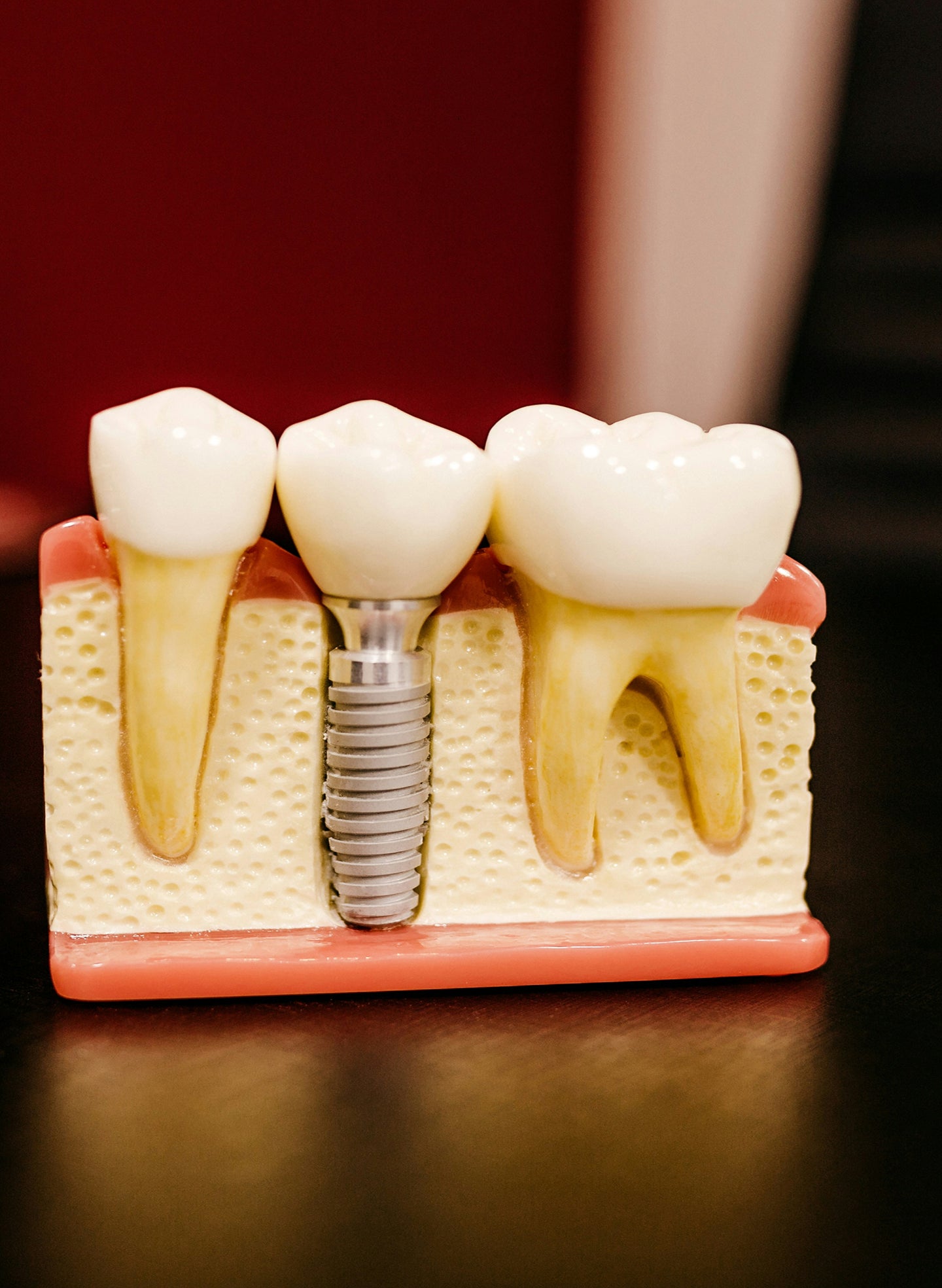
A dental implant abutment is the small connector piece that links the implant post (placed in the jawbone) to the final crown (the visible replacement tooth). It plays an important role in how your implant functions and how your final restoration looks and feels.
Understanding what an abutment is, when it's placed, and how to care for it can help you feel more confident as you move through your treatment plan at ClearChoice Dental Implant Center.
What is a dental implant abutment?
A dental implant abutment is the connector that sits between the implant post and the crown.
In simple terms:
The implant post acts like the root of a tooth
The abutment is like the "neck" of the tooth — the piece between the root and the visible part of the tooth
The crown is the visible part above the gumline
You can think of the abutment as the piece that allows the crown to attach securely to the implant.
Abutments can be made from materials such as:
Titanium
Zirconia (rare)
Gold alloy (rare)
Each material may be selected based on functional and aesthetic considerations, depending on the treatment plan.
It's also important to know that the abutment is a standard part of the dental implant process, not an optional add-on.
Types of dental implant abutments
There are several types of dental implant abutments, and the one used in your case will depend on your anatomy, implant placement, and the design of your restoration.
Healing abutment
A healing abutment is often used temporarily after the implant post is placed. It helps guide and shape the gum tissue during the healing phase.
Stock abutment
A stock abutment is pre-manufactured in standard sizes and angles. It may be used when the position and angle of the implant allow for a straightforward and precise fit.
Custom abutment
A custom abutment is designed specifically for your anatomy and the implant position. It may be used when a more complicated aesthetic result is needed. These are often used for single implants and implant bridges.
UCLA abutment
A UCLA abutment is a castable option sometimes used when the crown and abutment are created as a single unit. Castable abutments are not common today, as they are not fabricated with the precision of computer manufacturing.
The type of abutment recommended will depend on individual factors, including implant positioning, gum tissue, and the type of restoration planned.
When is the abutment placed?
The timing of abutment placement can vary depending on your treatment plan.
A typical implant timeline may include:
Implant post placement
Healing phase (osseointegration)
Abutment placement
Crown placement
To learn more about each phase, see our step-by-step dental implant process guide.
In some cases, a one-stage procedure may be used, where a healing abutment is placed at the same time as the implant.
In other cases, a two-stage procedure may be recommended, where the implant is allowed to heal before the abutment is placed later.
Your provider may recommend one approach over the other depending on bone density, healing needs, and overall treatment planning.
What does abutment placement involve?
If your treatment plan includes a separate abutment placement step, the appointment is typically focused on connecting the abutment to the implant post.
In a two-stage approach, the gum tissue may be gently opened to access the implant before attaching the abutment.
Opening the gum for abutment placement is often performed under local anesthesia. Many patients report minimal discomfort during the procedure, although experiences may vary.
After placement, some mild soreness or swelling in the surrounding tissue may occur. Your care team will provide specific aftercare instructions based on your situation.
How to care for your dental implant abutment
Proper care of your dental implant abutment plays an important role in supporting healing and long-term success.
General care may include:
Brushing gently around the abutment twice daily with a soft-bristled toothbrush
Using floss or an interdental brush to clean around the gumline
Using a water flosser
Avoiding hard, sticky, or crunchy foods during healing
Attending all follow-up appointments
For a more detailed overview of best practices, visit our guide on caring for dental implants.
If you notice unusual discomfort, swelling, or movement around the area, it's important to contact your provider for evaluation. You can also explore our dental implant care and maintenance tips for long-term guidance.
Your care team will provide personalized instructions based on your restoration and healing progress.
What to expect at ClearChoice dental implant center
At ClearChoice Dental Implant Center, care is coordinated across both surgical and restorative phases of treatment.
During your dental implant consultation, your care team may:
Review your medical and dental history
Evaluate imaging to understand your anatomy
Explain each part of the implant process, including the role of the abutment
Discuss your restoration options
Provide guidance on long-term care and maintenance
The coordinated team approach helps ensure that each component — from the implant post to the abutment to the final crown — works together as part of your overall treatment plan. At ClearChoice, single implants and implant bridges are common treatment plans. However, the majority of patients seek ClearChoice to have full arch implant restorations replacing all teeth in either arch. ClearChoice has had 20 years of experience refining the full arch implant process.
If you're exploring dental implants, understanding each step — including the role of the implant abutment — can help you feel more informed and prepared. Find a ClearChoice location near you to schedule your free consultation.
Dental implant abutments FAQs
What is the abutment in dental implants?
The abutment is the connector piece that links the implant post (placed in the jawbone) to the crown (the visible replacement tooth). It sits just above the gumline and supports the final restoration. Learn more about how the dental implant process works.
What does a dental implant abutment look like?
An abutment is typically a small, column- or triangular-shaped component that protrudes slightly above the gumline. It may appear silver, white, or gold-toned depending on the material used. Once the crown is attached, it is usually no longer visible.
What is a healing abutment for a dental implant?
A healing abutment is a temporary component placed in the implant post to help shape the surrounding gum tissue as it heals. It is typically replaced with a final abutment and crown later in the process.
How do I clean a dental implant abutment?
Cleaning typically involves gentle brushing and flossing around the abutment area. For more detailed guidance, visit our dental implant care and maintenance guide. Your provider will also give specific instructions based on your individual restoration and oral health needs.
Is abutment placement painful?
Abutment placement is often performed under local anesthesia. Many patients report minimal discomfort during the procedure, with some mild soreness afterward. Individual experiences may vary. Visit our dental implants FAQ page for more answers to common questions.