Last updated 01.08.2026
Zirconia vs. titanium dental implants: Understanding the difference
Explore the differences between zirconia and titanium implants, pros and cons, and why ClearChoice uses titanium.
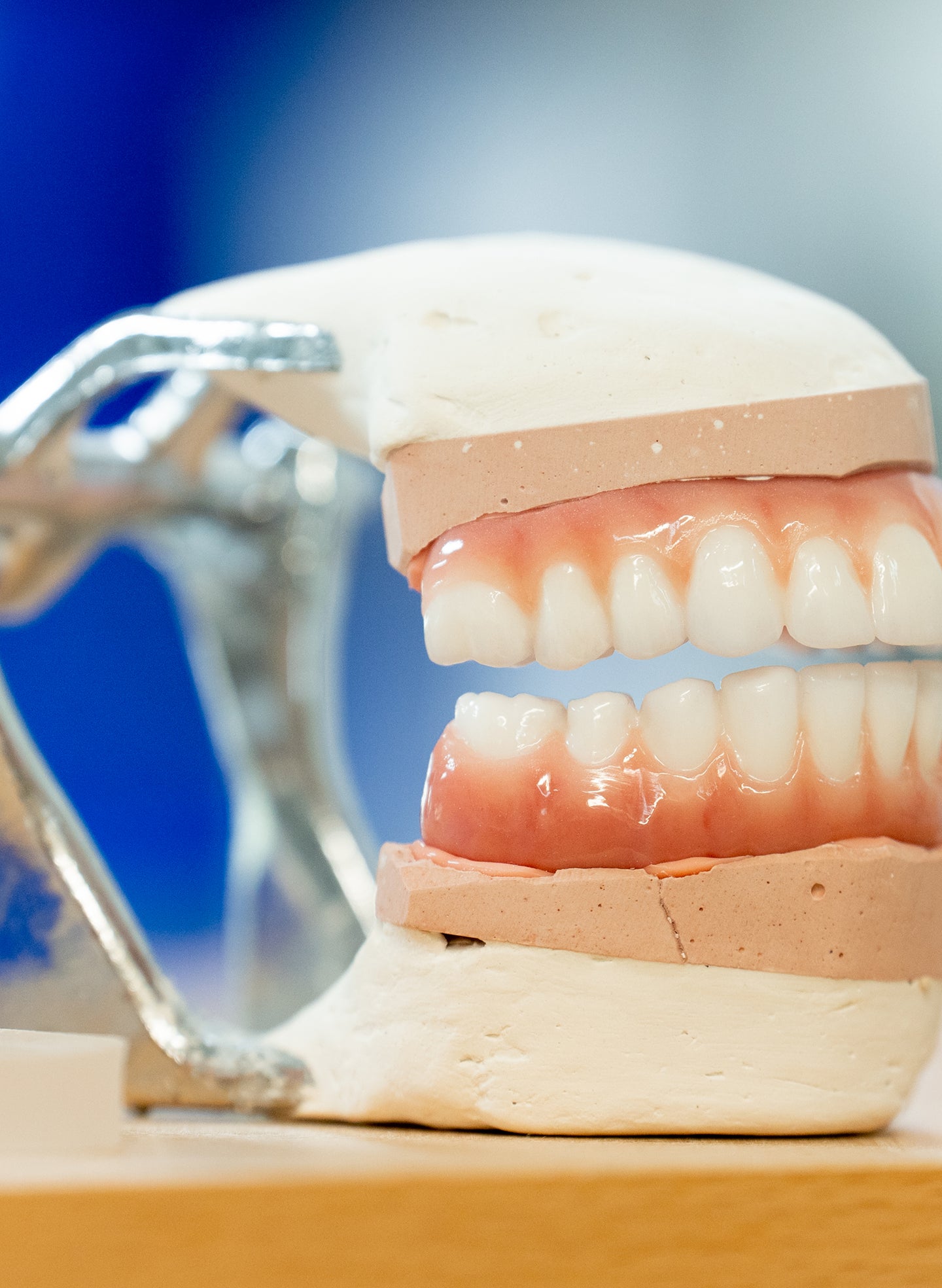
If you’re researching dental implants, you may come across discussions comparing zirconia dental implants and titanium dental implants. Both materials are used as implant posts placed in the jawbone, and both aim to support replacement teeth but they differ in important ways.
This guide explains what a dental implant actually is, how zirconia and titanium compare, and why ClearChoice Dental Implant Center uses titanium implants as part of its restorative approach.
What does the term dental implant actually mean?
A dental implant is not the visible tooth or crown. It is the implant post, made of titanium or zirconia, that is surgically placed into the jawbone.
Parts of a dental implant
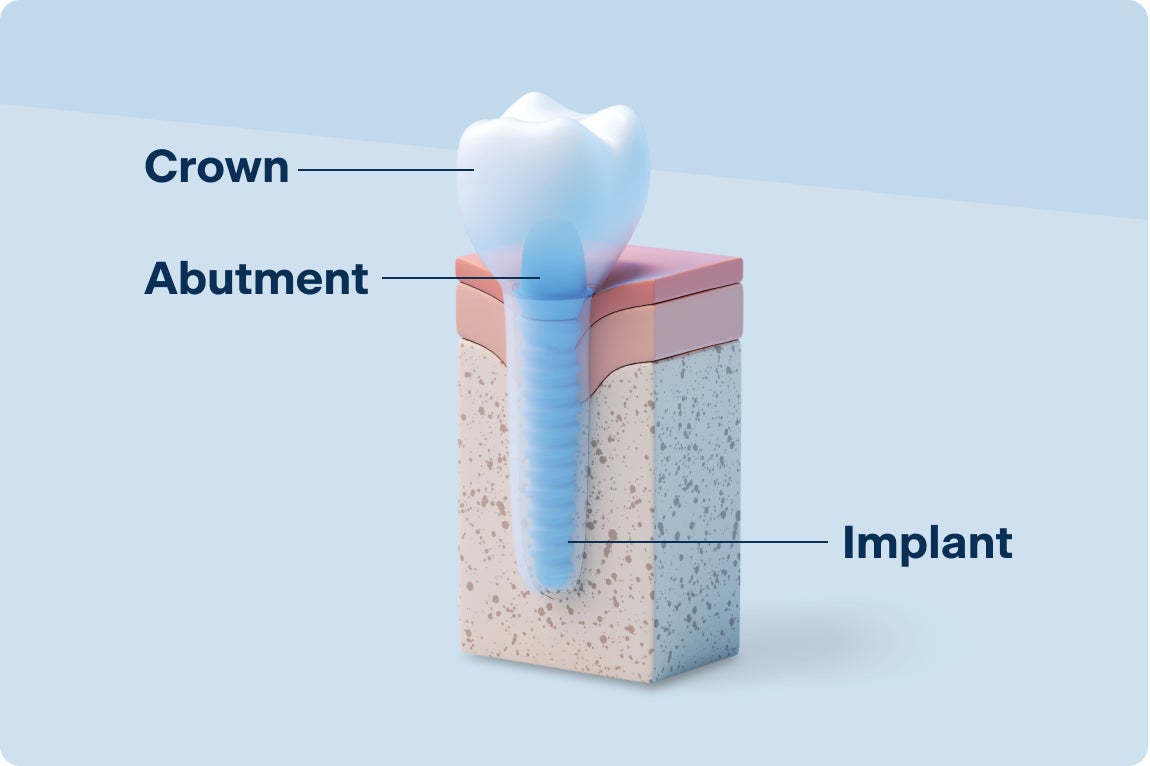
A complete dental implant restoration includes three main components:
Implant post: The titanium or zirconia post placed in the jawbone
Abutment: The connector between the implant post and the prosthetic teeth
Prosthetic teeth: The final replacement teeth designed for function and appearance
When comparing zirconia vs. titanium dental implants, the discussion focuses specifically on the implant post material, not the crown or prosthetic teeth placed on top.
Comparing zirconia and titanium implants
Titanium and zirconia are both biocompatible materials, meaning they are generally well tolerated by the body. The key difference lies in how long they’ve been used, how they perform under biting and clenching stresses, and how predictable their outcomes are.
Both materials rely on a process called osseointegration, the ability of the implant post to fuse with the surrounding jawbone. Successful osseointegration helps support chewing forces and may help prevent bone loss over time.
Pros and cons of titanium dental implants
Titanium dental implants have been used in medicine and dentistry for decades and are widely considered the most established implant post material.
Benefits of titanium implants
Strong biocompatibility with bone tissue
Long history of use in dental (50 years for implant therapy) and orthopedic applications to stabilize broken bones
High strength and durability under chewing forces
Extensive long-term clinical research supporting success rates
Flexibility in treatment planning for single, multiple, or full-arch restorations
Titanium implants are designed to withstand everyday function and can last a lifetime with proper care and maintenance.
Possible drawbacks and considerations
Titanium is metallic, which may be a concern for patients seeking a metal-free option, but titanium implants and medical devices are fairly inert without degradation noted when placed in the body
In rare cases, patients may report sensitivity or concerns about metal exposure. These concerns usually are directed at metal alloys containing nickel.
True titanium allergies are uncommon, but concerns should always be discussed during a clinical evaluation.
Pros and cons of zirconia dental implants
Zirconia dental implants are sometimes described as tooth-colored ceramic dental implants. The number of zirconia implants placed and the number of studies evaluating them are very small and not long term in comparison to titanium implants. Zirconia behaves like a ceramic and is only 10% the “fracture toughness” of metals, in other words zirconia is at risk to crack and then almost immediately fracture.
In general, dental implants are quite small in diameter (3-5 mm) to fit within the jawbone and they are hollow in the center to allow screwing various abutment shapes into the implant. Zirconia implants cannot be made smaller, but a different design of a solid, one-piece zirconia implant with the abutment being part of the implant can diminish the fracture risk due to the greater volume of zirconia material. The one-piece design is what is being employed today, and these implants are used for smaller anterior teeth. People who have very thin gum tissues or are prone to have gum recession in the smile area, might show the dark titanium metal showing through the thin gums. These patients can be candidates for the tooth-colored implant and abutment.
Potential benefits of zirconia implants
Tooth-colored material, which may appeal to some patients aesthetically, especially those with thin gum tissue at the neck of the implant and abutment.
Metal-free option
Limitations, availability, and research considerations
Usually only used for a single implant on a front tooth, and the patient is advised to limit biting on it.
Less long-term clinical data compared to titanium implants, because the fracture risk is higher than titanium implants. With this fracture risk, few practitioners have employed zirconia implants, so long-term follow-up or large numbers of patients to study are not available, even though reported short-term success data may appear similar.
Limited flexibility in complex cases or full-arch restoration. There is not a full arch implant system that has zirconia implants in its armamentarium. The neck area of the implant and abutment are above the smile line and not visible during function, so a tooth-colored implant is not needed. A dentist would not want to add a fracture risk to this very complex treatment.
One-piece design is a stock design with minimal adjustability.
Questions remain about long-term performance, especially in posterior teeth due to biting stress or complex restorative cases where even the fracture of one implant can require a costly redo of portions of the case.
What is most commonly used today?
Titanium as the current gold standard
Titanium dental implants remain the most commonly used implant post material worldwide.
Many prosthodontists consider titanium the gold standard due to its:
Predictable osseointegration
Strength under long-term chewing forces
Broad clinical evidence across decades of use
Compatibility with a wide range of restorative options
While zirconia implants continue to be studied, titanium implants are currently the most established choice in implant dentistry.
Why ClearChoice Dental Implant Center uses titanium implants
ClearChoice Dental Implant Center uses titanium implants because of their proven track record in restorative dentistry.
Titanium implant posts support:
Consistent integration with the jawbone
Long-term durability in daily function
Predictable outcomes across a wide range of patient needs
Comprehensive planning for single-tooth, multiple-tooth, and full-arch restoration
By using titanium implants, ClearChoice focuses on stability, safety, and long-term oral health rather than materials with more limited data.
Dental implants: Zirconia vs titanium FAQs
What is the main difference between zirconia and titanium implants?
The main difference is the implant post material. Titanium implants have decades of clinical research and widespread use, while zirconia implants have less long-term data and are used in a very narrow clinical application.
Are zirconia implants better for people with metal allergies?
True titanium allergies are rare. If you have concerns about metal sensitivity, your prosthodontist can evaluate your history and discuss appropriate options during a consultation.
Do zirconia implants last as long as titanium implants?
Titanium implants have extensive long-term evidence showing they can last a lifetime with proper care. Zirconia implants currently have less long-term data available.
Why does ClearChoice only use titanium implants?
ClearChoice uses titanium implants because of their established safety, strength, and predictable clinical outcomes supported by decades of research.
Which option is best for me?
The best option depends on your oral health, bone structure, and restorative goals. A prosthodontist-led evaluation is the best way to determine what approach is appropriate for your situation.
Disclaimer: Information in this article is for educational purposes only and does not substitute professional dental advice. Always consult your ClearChoice Dental Implant Center care team for personalized recommendations.