Last updated 01.09.2026
Screwless dental implants vs traditional: What to know before choosing
Explore how screwless dental implants differ from traditional implants—and why screw-retained solutions dominate.
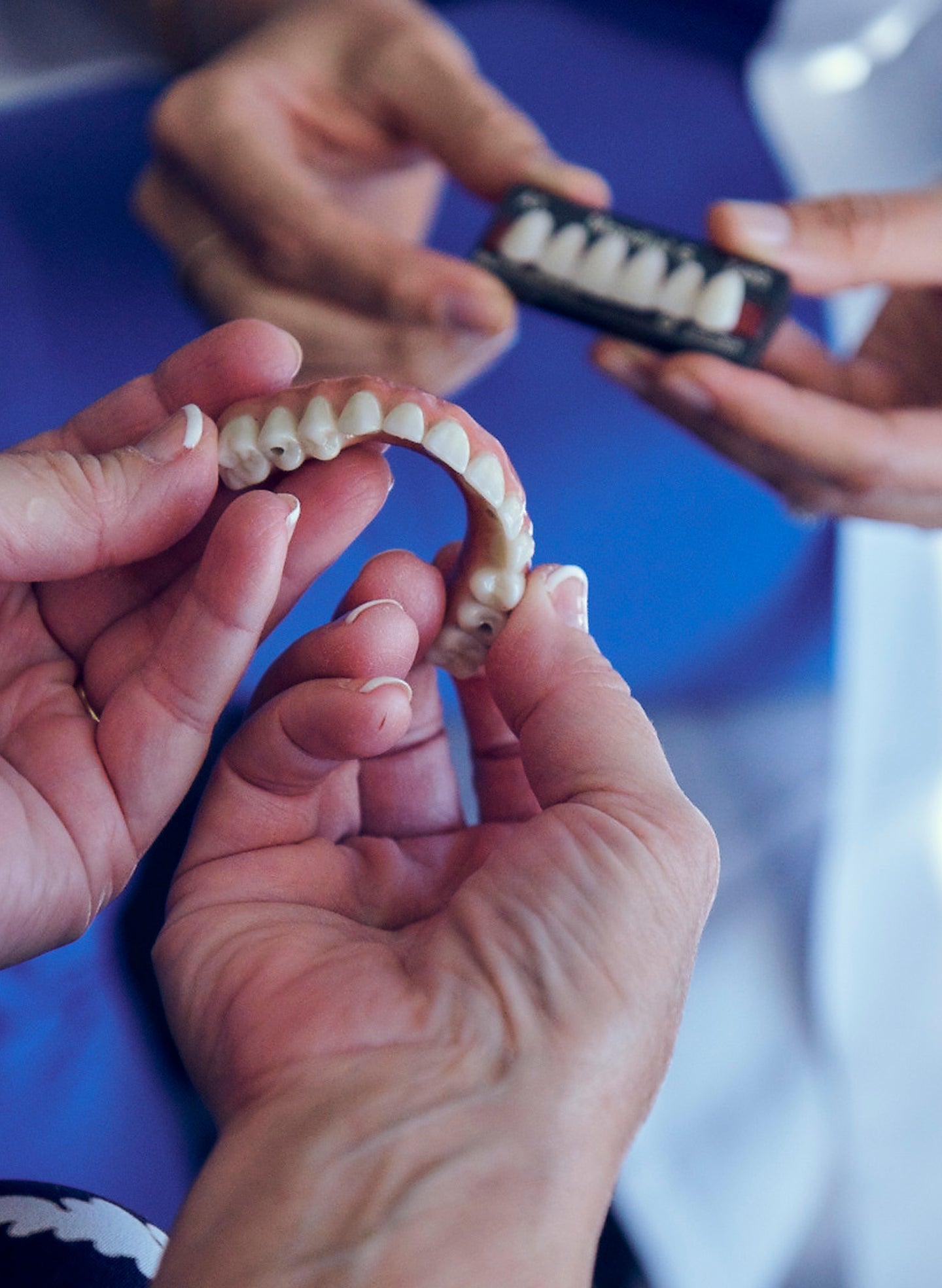
If you’ve been researching dental implants, you may have come across the term screwless dental implants. The phrase can be confusing and, in many cases, misleading. Most modern dental implants still use a titanium implant post placed in the jawbone. What differs is how the replacement tooth (the crown or prosthetic teeth) is attached.
This article explains what “screwless” actually means, how these restorations compare to traditional screw-retained options, and why screw-retained restorations remain the most commonly used approach in implant dentistry today.
What are screwless dental implants?
Despite the name, screwless dental implants are not truly screw-free implants.
In most cases this is not a description of the implant but, “screwless” refers to the way the crown is attached to the implant post and abutment. The titanium implant post is still placed into the jawbone. The difference lies in how the visible tooth is secured on top.
When “screwless” actually refers to how the crown is attached
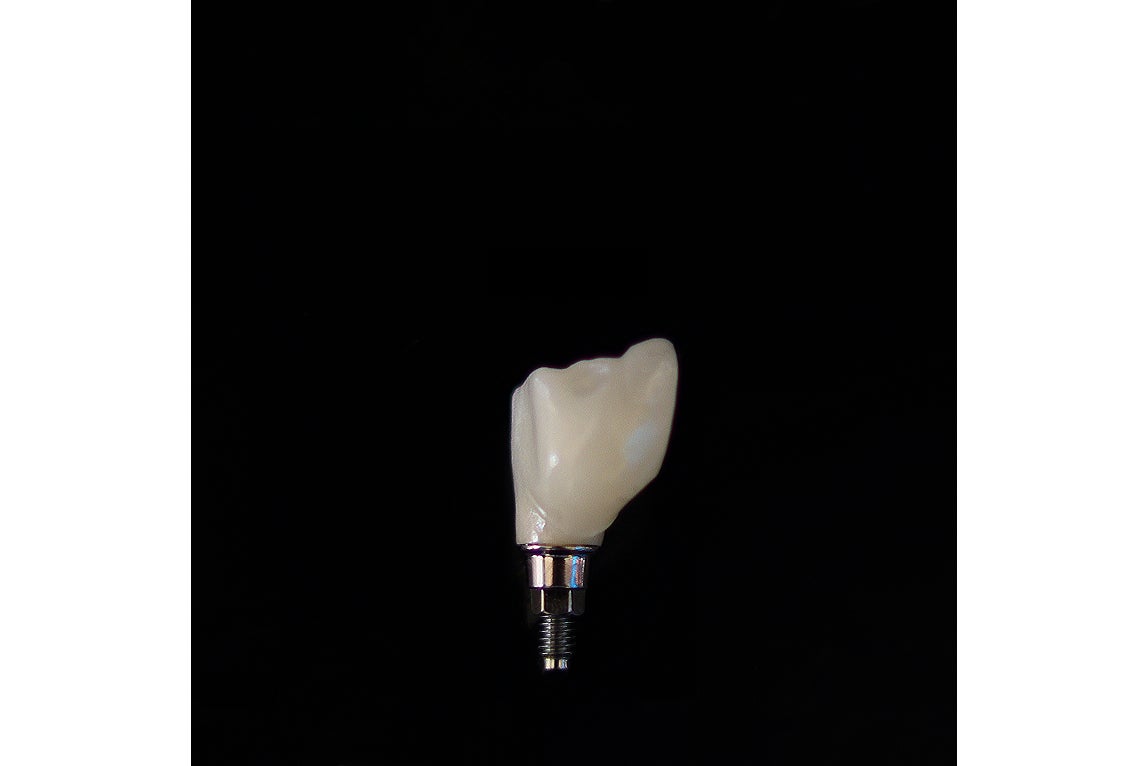
A screw retained crown uses a small screw that passes through the crown and through the abutment into the implant. With screwless designs, the crown is typically cemented or bonded onto an abutment. Because there is no visible screw access hole on the crown surface, these restorations are often described as screwless.
How screwless systems are designed
Common attachment methods include:
Cement-retained restorations, used for single implants or multi-implant bridges, where the prosthetic is bonded to an abutment or bar
Hybrid cement-retained systems, which use cement in combination with internal locking features
These approaches are sometimes chosen for aesthetic reasons, especially when a visible screw access point may be a concern.
How “screwless” restorations differ from screw-retained restorations
There is no difference in the dental implant itself. In both cases, a titanium implant post is placed in the jawbone. The difference lies in how the restoration (the crown or prosthetic teeth) is attached to the implant.
This distinction is often described in terms of retrievability or how easily the restoration can be removed if maintenance, repair, or replacement is needed.
Differences in crown attachment
Screw-retained restorations: The crown is secured with a small screw, allowing it to be removed if necessary
Screwless (cement-retained) restorations: The crown is bonded in place and may be damaged or even require cutting of the crown to remove it from the abutment.
Aesthetic trade-offs
Screwless designs may offer a smoother crown surface with no visible access hole. However, advances in materials and techniques have made screw access points far less noticeable in screw-retained restorations, especially when placed strategically.
Maintenance and retrievability concerns
Because cement-retained crowns are more difficult to remove, addressing issues such as wear, fracture, or gum irritation can be more complex. Residual cement left beneath the crown may also contribute to gum inflammation and ultimate bone loss around the implant if not carefully managed.
Pros and cons of screwless dental implants
Advantages of screwless designs
No visible screw access opening on the crown
Smooth surface appearance
May be considered in select aesthetic situations
Limitations and risks to consider
Clenching or grinding patients break the cement and loosen the crown.
More difficult to remove for maintenance or repair
Repairs may require replacing the entire crown
Risk of excess cement affecting surrounding gum tissue and bone is often considered a bigger problem than having limited retrievability.
Less flexibility if adjustments are needed over time
When screw-retained crowns are preferred
Many prosthodontists prefer screw-retained restorations because they allow:
Easier long-term maintenance
Non-destructive removal if repairs are needed
More predictable management of complications
No risk of retained cement around the neck of the implant
These factors often outweigh the aesthetic concerns that originally led to cement-retained designs.
When are screwless dental implants used?
Screwless restorations may be considered in specific situations after careful evaluation.
Aesthetic zones with limited visibility needs
In certain front-tooth cases where the angle of placement would place a screw access hole in a highly visible area, a cement-retained crown may be discussed. Even then, alternative angulation or restorative techniques are often explored first.
Cases where space or angle favors a cemented crown
Limited vertical space or implant angulation may occasionally make cement-retained designs more practical. These decisions are made based on anatomy, bite forces, and long-term maintenance considerations, not patient preference alone.
Do screwless implants cost more?
Lab and technique sensitivity considerations
Screwless restorations can be more technique-sensitive, requiring careful cementation and precise lab work. This may increase laboratory costs or chair time depending on the case.
Cost varies by provider and complexity
Screwless dental implant costs vary widely and depend on:
Case complexity
Number of implants involved
Long-term maintenance needs
Not necessarily more affordable long-term
While initial costs may appear similar, cement-retained restorations can be more expensive over time if the crown repeatedly loosens taking more follow-up visits, repairs or replacements are needed and the crown cannot be easily removed.
Which type is more common and why?
Screw-retained restorations dominate most U.S. cases
Across implant dentistry in the United States, screw-retained restorations are the most commonly used approach. This preference is driven by predictability, flexibility, and ease of long-term care.
Prosthodontists often favor screw-retained solutions because they allow ongoing monitoring and maintenance without damaging the restoration.
Screw retained restorations eliminate the risk of cement being retained at the neck of the implant damaging the gums and bone.
The ClearChoice treatment approach
ClearChoice Dental Implant Centers use screw-retained restorations as part of their restorative model.
This approach supports:
Long-term maintenance and follow-up
Easier access if adjustments are needed
Predictable outcomes across a wide range of cases
Implant restoration decisions are guided by prosthodontist-led evaluation, not by marketing trends or surface-level aesthetics.
Screwless dental implants FAQs
Are screwless dental implants better for front teeth?
Not necessarily. While aesthetics are important, many front-tooth cases can still be restored using screw-retained crowns with minimal visibility. The best option depends on anatomy, implant angle, and long-term maintenance needs.
Can screwless crowns be replaced or repaired later?
Yes, but replacement may be more complex. Cement-retained crowns often need to be cut off, which can increase cost and complexity compared to screw-retained restorations.
Is there a difference in implant success rates?
The implant post success rate is generally similar. Differences relate more to restoration maintenance and complication management rather than initial osseointegration.
What’s the most common method used today?
Screw-retained restorations are the most commonly used approach in modern implant dentistry due to their retrievability and long-term manageability.
Does ClearChoice offer screwless dental implants?
ClearChoice focuses on screw-retained implant restorations to support predictable outcomes and long-term care. Final recommendations are made after clinical evaluation by the ClearChoice dental team.
Screwless dental implants may sound appealing at first glance, but understanding what the term truly means, and how it affects long-term care, is essential. For most patients, screw-retained restorations remain the preferred and most widely used solution.
Disclaimer: This blog is for educational purposes only and does not substitute for clinical guidance. Always consult your ClearChoice dental team to determine which implant restoration is right for your needs.