Last updated 01.30.2026
Understanding how bad teeth can disrupt digestion and lead to health issues
Dental pain can make eating hard—impacting digestion and overall health. Learn why your teeth matter beyond your smile.
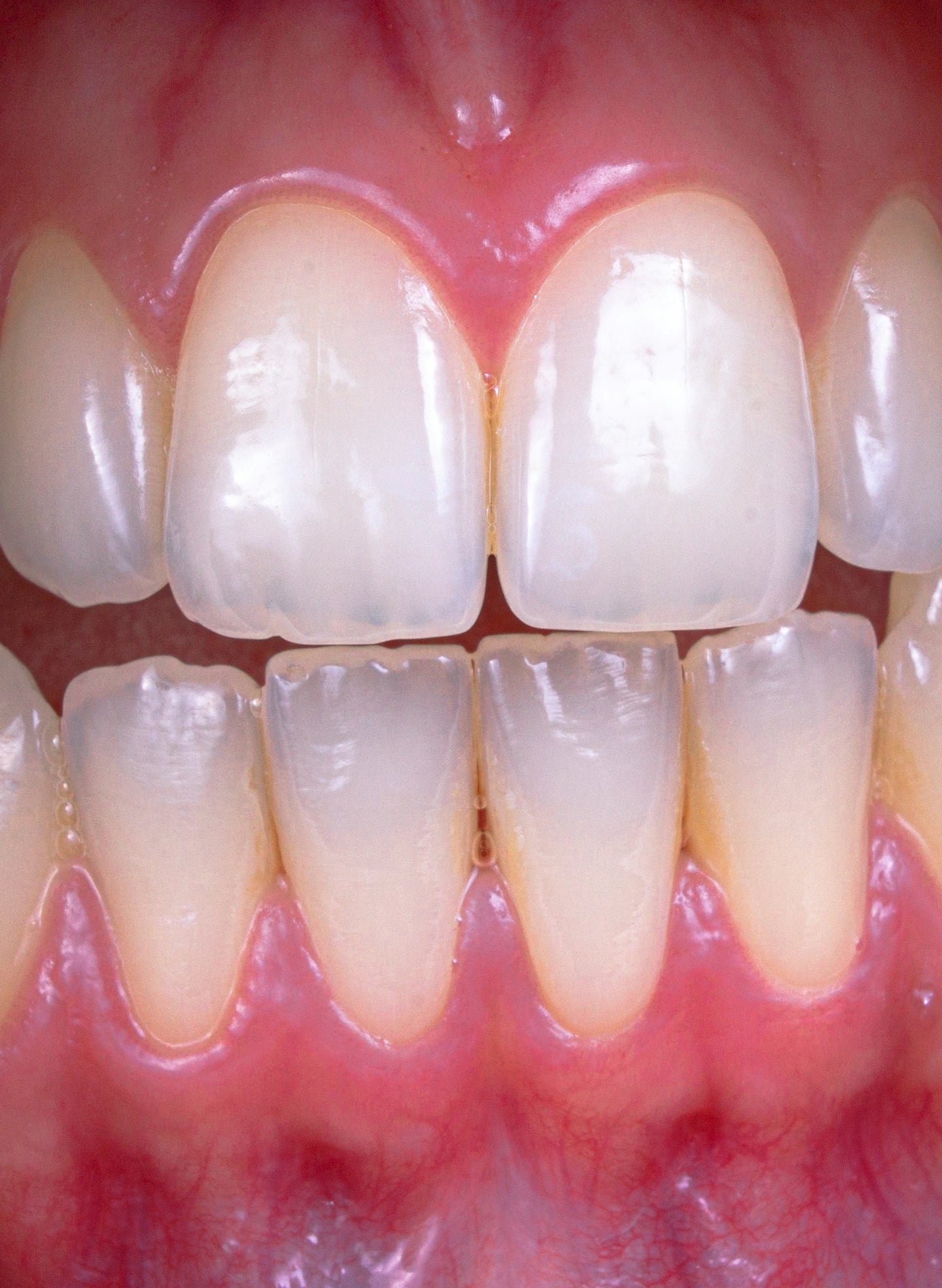
When people think about oral health, they often focus on appearance or discomfort. But your teeth play a much larger role than just shaping your smile. They are the first step in the digestive process, and when teeth are painful, missing, or not functioning properly, the effects may extend far beyond the mouth.
Understanding how oral health connects to digestion and overall wellness can help explain why dental issues sometimes show up as broader health concerns and why restoring oral function can be an important part of long-term health.
The mouth’s role in digestion
Digestion doesn’t start in the stomach, it starts in the mouth.
Why proper chewing matters for food breakdown
Teeth are designed to break food into smaller, manageable pieces. Proper chewing:
Begins to liberate food’s nutrients
Makes food easier to swallow
Helps the stomach and intestines work more efficiently
Reduces strain on the digestive system
When chewing is incomplete, larger food particles move through the digestive tract, which may contribute to discomfort or inefficient nutrient absorption.
Saliva and enzymes begin the digestive process
Saliva contains enzymes that start breaking down carbohydrates as soon as food enters the mouth. Chewing thoroughly allows saliva to mix with food, helping prepare it for digestion further down the line.
When chewing is rushed or limited due to dental pain or missing teeth, this early stage of digestion may be disrupted.
How poor oral health affects what and how you eat
Tooth pain or tooth loss limiting food choices
People with bad teeth or missing teeth often adjust their diets without realizing it. Common changes include:
Avoiding crunchy fruits and vegetables
Skipping protein-rich foods that are hard to chew
Relying more on soft, processed foods
Over time, these adjustments may reduce dietary variety and nutritional balance.
Avoiding healthy foods due to chewing difficulty
Foods that support digestive health like fibrous vegetables, lean meats, and whole grains often require effective chewing. When teeth aren’t functioning well, people may choose foods that are easier to eat but lower in nutritional value.
This shift can affect digestion, energy levels, and overall wellness.
Health risks linked to poor chewing and digestion
Malnutrition, gut discomfort, and digestive inefficiency
Inadequate chewing may be associated with:
Reduced nutrient intake
Bloating or digestive discomfort
Slower or less efficient digestion
While dental issues aren’t the sole cause of digestive problems, they may contribute to ongoing challenges when oral function is compromised.
Long-term impact on energy, immunity, and quality of life
Nutrition plays a key role in:
Immune system support
Energy levels
Muscle strength and healing
When oral health limits food intake or variety, it may indirectly affect these systems over time especially in older adults or those with existing health conditions.
Next steps if your teeth are affecting your health
Signs it may be time to address oral function
You may want to explore dental evaluation if you notice:
Ongoing difficulty chewing
Avoidance of certain foods and eating foods that do not require chewing
Jaw fatigue or discomfort while eating
Digestive issues that coincide with dental problems
Addressing oral function can be an important step toward improving daily comfort and health.
How dental implant restoration may help
Dental implant restoration is designed to support chewing by replacing missing teeth with restorations that function more like natural teeth. For some patients, implants may help:
Improve chewing efficiency
Expand food choices
Support more balanced nutrition
Enjoy the social uplift that comes with sharing a good meal
At a ClearChoice Dental Implant Center, prosthodontists and the broader ClearChoice team evaluate oral health, bone structure, and functional needs to determine whether implant restoration may be appropriate.
Talking through symptoms and goals during a consultation helps ensure recommendations are based on an individuals health not aesthetics alone.
Oral health, bad teeth, and digestion FAQs
Can bad teeth really affect my digestion?
Poor oral health may contribute to chewing difficulties, which can affect how food is processed and tolerated by the digestive system.
What foods should I avoid if I have chewing problems?
Rather than avoiding foods long-term, it’s often better to address the underlying dental issue. A professional evaluation can help determine next steps.
Are dental implants a solution for eating difficulties?
Dental implant restoration may support improved chewing for patients missing teeth. Suitability depends on an individual's oral health and medical factors.
How do I know if oral issues are affecting my overall health?
If dental discomfort, tooth loss, or chewing limitations are impacting your diet or well-being, it may be helpful to discuss this with both dental and medical professionals.
Why oral health matters beyond your smile
Teeth are essential tools for eating, digesting, and nourishing your body. When oral health issues interfere with these functions, the effects may be felt throughout daily life.
If dental pain or missing teeth have made eating difficult, a consultation at a ClearChoice Dental Implant Center can help you understand whether restorative options may support better function and long-term wellness.
Disclaimer: This article is for educational purposes only and does not substitute professional medical or dental advice. Always consult your ClearChoice care team for personalized recommendations.