
Last updated 02.06.2026
Dental implant lifespan: How long do dental implants really last?
Dental implants are long-lasting—but how long is “long”? Learn what influences dental implant lifespan and how to support their success.

Dental implants are often described as a long-lasting solution for missing teeth, but what does “long-lasting” really mean? Many patients wonder how long dental implants last, what factors influence their lifespan, and what role daily care plays in long-term success.
This article explores dental implant longevity, breaks down the components of a dental implant restoration, and outlines practical steps that may help support lasting results.
Dental implant longevity: What to expect
A dental implant restoration is made up of multiple parts, each with its own role and lifespan. Understanding these components can help set realistic expectations.
Implant post
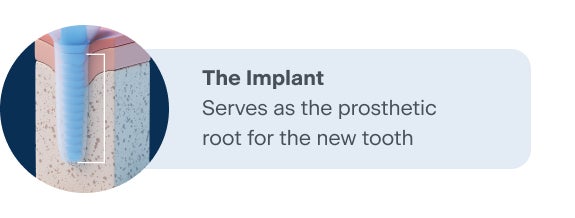
The implant post is placed into the jawbone and acts as an artificial tooth root. When properly integrated with the bone, this portion of the dental implant restoration is designed to be highly durable. With good oral hygiene, healthy bone, and professional oversight, the implant post may remain stable for many years.
Abutment
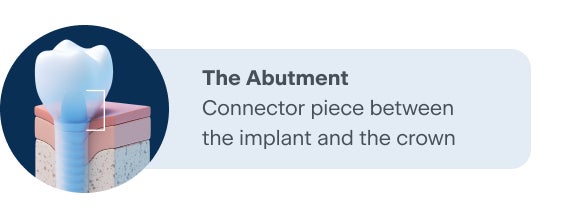
The abutment connects the implant post to the visible restoration. Because it sits above the gumline, it is more exposed to bite forces and daily wear. While abutments are designed for durability, they may require adjustment or replacement in some cases over time.
Crown
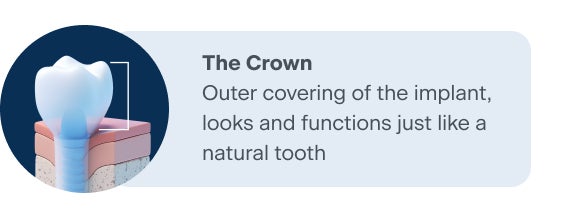
The crown (or prosthetic tooth) is the visible portion of the dental implant restoration. Crowns experience the most direct contact with chewing forces and may show wear over time. Depending on materials, bite patterns, and care habits, a crown may eventually need to be replaced even when the implant post remains intact.
Factors that affect dental implant lifespan

Several variables influence how long dental implants last. While implants are designed for longevity, success depends on both biological and lifestyle factors.
Oral hygiene
Consistent oral hygiene plays a critical role in dental implant longevity. Plaque and bacteria can accumulate around implants just as they do around natural teeth. Daily brushing, flossing, and professional cleanings help protect the gum tissue and bone that support the implant.
Lifestyle habits
Habits such as smoking or excessive alcohol use may negatively affect healing and long-term implant stability. Smoking, in particular, has been associated with higher complication rates because it can impair blood flow and tissue health.
Medical conditions
Certain medical conditions, such as uncontrolled diabetes or conditions that affect bone health, may influence healing and implant success. Your ClearChoice dental team evaluates overall health history to determine how these factors may affect dental implant lifespan.
Common concerns about implant longevity
Patients often ask whether aging, wear, or other conditions can shorten the life of a dental implant restoration.
Aging and bone loss
Bone density naturally changes with age. Because implants rely on healthy bone for support, maintaining bone health is important. Regular monitoring allows your prosthodontist to assess changes early and recommend appropriate care.
Implant placement and wear
Precise implant placement is essential for long-term function. Implants that are well-aligned with bite forces may experience less stress over time. Wear patterns are also influenced by how the teeth come together during chewing.
Gum disease risk
Gum disease around implants, sometimes referred to as peri-implant disease, can affect the tissues supporting the implant. Early detection and consistent dental implant care and maintenance may help reduce this risk.
Teeth grinding and TMJ
Patients who grind their teeth or experience temporomandibular joint (TMJ) issues may place additional stress on implant restorations. Night guards or other protective strategies may be recommended to help reduce wear.
Tips to support a long-lasting dental implant
While no dental treatment is immune to wear, certain best practices for maintaining dental implants may help support long-term success:
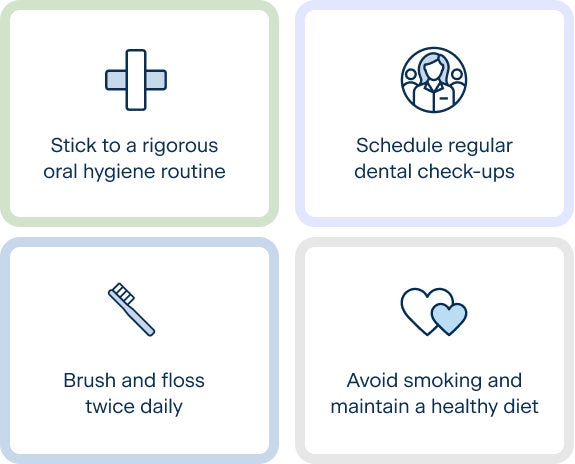
Brush twice daily with a soft-bristled toothbrush
Floss or clean between implants every day
Use low-abrasive oral hygiene products
Avoid smoking and limit alcohol use when possible
Follow dietary guidance provided during healing
Attend routine follow-up visits with your ClearChoice Dental Implant Center
Caring for dental implants consistently helps protect the surrounding tissues that support them.
Expert care for lasting results
Dental implant longevity is influenced not only by daily habits, but also by treatment planning and professional oversight. At a ClearChoice Dental Implant Center, implant planning is individualized and based on bone structure, health history, and functional needs.
Ongoing follow-up allows your ClearChoice dental team to monitor your dental implant restoration, address concerns early, and recommend adjustments when needed.
Dental implant longevity FAQs
How long do dental implants last?
Dental implants are designed to be long-lasting. With proper care and favorable health conditions, the implant post may last for many years and, in some cases, may last a lifetime. Other components, such as crowns, may require replacement over time.
Do dental implants ever need to be replaced?
Parts of a dental implant restoration—most commonly the crown—may need replacement due to normal wear. This does not necessarily mean the implant post has failed.
How do I care for my dental implants long term?
Long-term care includes daily brushing and flossing, using gentle oral hygiene products, and attending routine professional visits. These practices help support dental implant longevity.
What causes dental implants to fail?
Implant failure may occur due to infection, insufficient bone support, excessive bite forces, or inconsistent oral hygiene. Lifestyle factors and certain medical conditions may also contribute.
Can dental implants last a lifetime?
Dental implants may last a lifetime with proper care, healthy supporting tissues, and ongoing professional monitoring. Individual results vary, and long-term success depends on multiple factors.
Understanding dental implant lifespan
Dental implants are designed to provide durable, functional tooth replacement—but longevity depends on thoughtful planning, healthy habits, and consistent care. By understanding what affects dental implant lifespan and how to care for your restoration, you can play an active role in supporting long-term oral health.
If you have questions about dental implant longevity or your specific situation, a consultation at a ClearChoice Dental Implant Center can help provide guidance tailored to your needs.