Last updated 08.24.2026
Understanding broken tooth extraction procedures: What to expect from broken tooth removal

Written by: Dr. Panagiotis Emmanouilidis, DDS
Learn what happens during a broken tooth extraction, what recovery looks like, and how to explore replacement options for your smile.
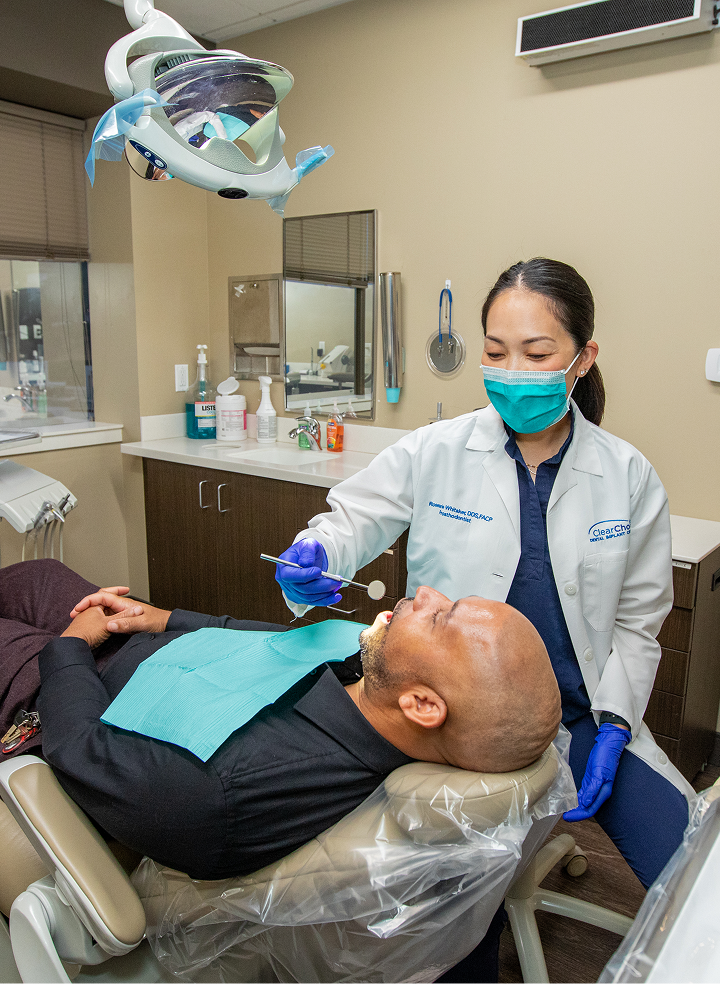
A cracked or broken tooth is stressful, and it's often painful too. Whether it happened suddenly or has been getting worse for a while, not knowing what happens next can add to the anxiety, especially if you've never had a tooth pulled before.
This article walks through why a broken tooth may need to come out, what happens during a broken tooth extraction procedure, what recovery looks like, and how to think about replacing the tooth.
Why a broken tooth may need to be extracted
Not every broken tooth needs to be pulled, but some damage goes beyond what a filling, crown, or root canal can fix. A tooth can't reasonably be saved when most of the tooth has been broken away, and the remainder of the tooth is barely above the gumline or still has tooth decay. In some cases, extraction may help prevent additional complications related to the damaged tooth.
Common reasons a broken tooth may need to be removed include:
A crack that extends below the gumline
Extensive decay that has compromised the tooth's structure
Infection or abscess in the bone that can work its way over to the surrounding teeth
A fracture involving the tooth's root
Severe damage from trauma, usually from an accident, fall or sports injury
A tooth that's too weak due to past damage that cannot support a crown or other restoration
What happens during a broken tooth extraction procedure
A broken tooth extraction procedure generally follows a predictable sequence, even though the details vary by case. Here's what to expect:
Exam and X-ray. Your dentist examines the tooth and takes an X-ray to see the full extent of the damage, including anything happening below the gumline or near the root.
Anesthesia. Local anesthesia numbs the area completely. Depending on the complexity of the extraction and your comfort level, sedation may also be offered to help you relax through the appointment.
Removal. The dentist loosens and removes the tooth. If it has broken at or below the gumline, the dentist will use special instruments to skillfully remove the tooth and root remnant.
Closing the site. Gauze is placed over the extraction site to help form a blood clot and control bleeding, and stitches may or may not be needed. Your dentist will also walk you through aftercare instructions before you leave.
If you're weighing whether to replace the tooth right away, some patients are candidates to have an implant placed the same day as extraction, though this depends on whether the area is infected, and whether the bone needed to support the implant is healthy.
Does a broken tooth removal hurt, and what does recovery look like?
The procedure itself shouldn't hurt. Local anesthesia numbs the area fully before any work begins, and sedation options exist for patients who feel anxious about the appointment. Your dentist will “test” the area with gentle tapping. Some patients describe feeling pressure during removal which does not mean anything is wrong, but if you feel sharp pain your dentist can pause to add more anesthesia.
Afterward, mild soreness and swelling for a few days is typical, and over-the-counter or prescribed pain medication usually manages it well.
Avoid smoking, strenuous exercise, and hard or crunchy foods while you heal, since these can irritate the extraction site, disrupt clotting, or slow recovery.
What are your options after a broken tooth extraction?
Once the socket has healed, most patients consider a tooth replacement option. An empty space left too long can allow neighboring teeth to drift or tilt, which can affect your bite, your jaw alignment, and even how your face looks over time.
There are a few paths worth exploring, and the right one depends on your bone health, budget, and long-term goals. Single tooth dental implants are one option many patients consider, since they're designed to look, feel, and function like a natural tooth, are placed directly into the jawbone, and don't rely on adjacent teeth for support. Bridges are another route some patients explore, and timing after an extraction is worth understanding if that's a direction you're considering. Bridges require preparation of adjacent teeth to support the restoration, and whether a bridge is appropriate depends on factors such as the condition of the surrounding teeth, bone health, and your dentist's clinical evaluation.
There's no single right answer here. It comes down to what fits your mouth, your lifestyle, and your priorities, and that's a conversation best had with a professional who can evaluate your specific situation.
Talk to a professional about your next step for broken tooth removal
If you're dealing with a broken tooth right now, the first step is getting it evaluated by a dentist who can tell you whether extraction is truly necessary. A free consultation with a doctor at a ClearChoice Dental Implant Center can help determine the need for extraction and plan the extraction with implant restoration in mind. If you're weighing what comes next, a consultation is an important way to determine which replacement option may be appropriate for your needs.
ClearChoice's team can walk you through dental implant consultation options and help you understand what a single tooth implant costs, so you can make a confident, informed decision about restoring your smile.