Last updated 04.23.2026
Bone graft for dental implants: what it is, why you may need one, and what to expect
Many patients are surprised to learn they may need a bone graft before dental implant placement. This guide explains what a bone graft is and how it fits into the overall implant timeline.
If you've been told you may need a bone graft for dental implants, you're not alone. Many patients are surprised to learn that preparing the jawbone can be an important step before implant placement.
A bone graft is often used to restore bone that has been lost over time, helping create the foundation needed for dental implants. While not every patient needs one, it is a routine and well-established procedure that may be recommended as part of your overall treatment plan.
At ClearChoice Dental Implant Center, bone grafting is evaluated as part of the implant planning process so patients can understand what steps may be needed before moving forward. Learn more about bone grafting for dental implants and what the procedure involves.
What Is a Dental Bone Graft?
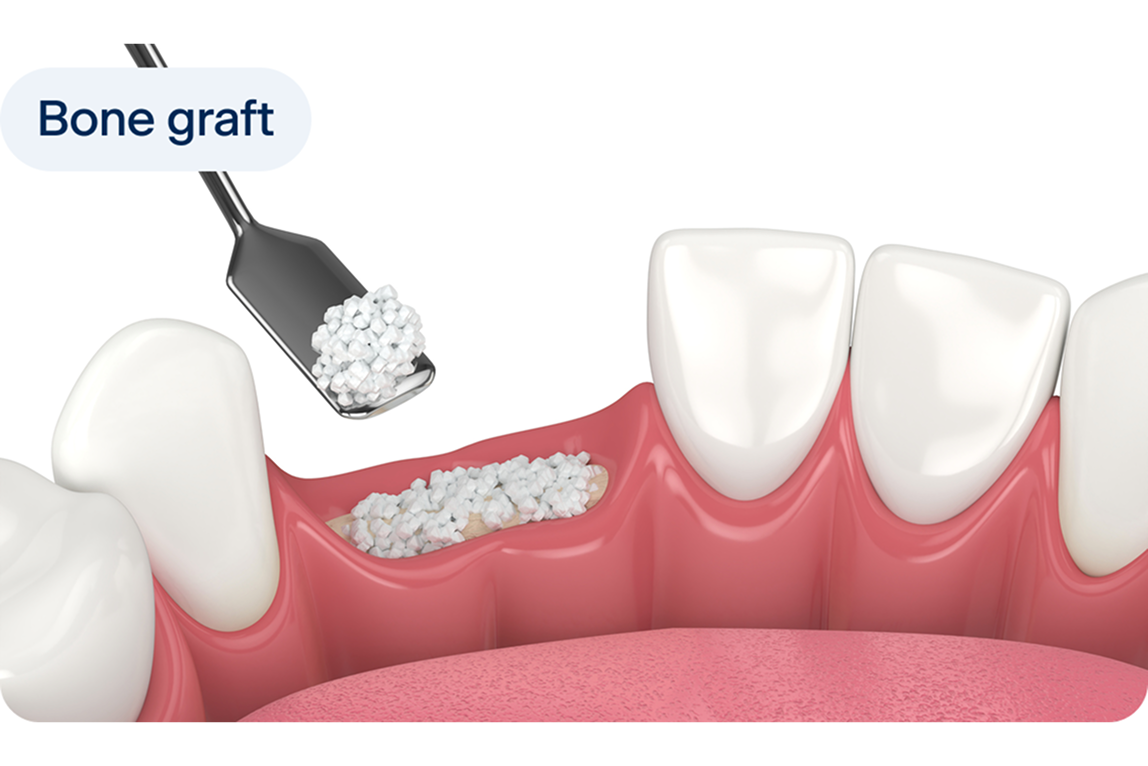
A dental bone graft is a procedure that adds bone material to the jaw in areas where bone volume or density has decreased.
This matters because dental implants rely on bone for support. The implant post is placed into the jaw, and over time, it integrates with the surrounding bone. Without enough bone, the implant may not have the stability it needs.
A bone graft helps:
Restore bone structure
Support implant placement
Improve long-term stability
While the idea of a bone graft may sound complex, it is a common part of dental implant preparation in many cases. For a broader look at how implants interact with the jaw, see our article on how dental implants preserve jawbone health.
Why Do Some Patients Need a Bone Graft Before Dental Implants?
Bone loss in the jaw is more common than many people realize, and it can happen for several reasons.
Tooth Loss
After a tooth is removed or lost, the surrounding bone may begin to shrink (resorb) over time. This process can start within months.
Gum Disease
Advanced gum disease (periodontitis) can damage the bone that supports teeth.
Long-Term Denture Use
Wearing dentures for extended periods may accelerate bone loss, especially in the lower jaw. If you currently wear dentures and are exploring implants, our guide on getting dental implants if you have dentures explains what to expect.
Injury or Trauma
Accidents or injuries affecting the jaw may lead to bone loss in specific areas.
Congenital Factors
Some patients naturally have less bone volume in certain parts of the jaw.
It's important to know that needing a bone graft does not mean dental implants are not an option. In many cases, it simply means an additional step is needed to prepare the site. For patients with significant bone loss, our article on getting dental implants with severe bone loss covers the options available.
Types of Bone Grafts Used for Dental Implants
There are several types of dental bone grafts, and the one recommended will depend on your individual anatomy and treatment needs.
Autograft
Bone taken from your own body, often from the jaw or another site. It may be considered in certain cases but involves an additional surgical area.
Allograft
Donor bone from a human tissue bank. This is commonly used and eliminates the need for a second surgical site.
Xenograft
Bone material derived from animal sources, typically bovine. It is widely used and generally well tolerated.
Alloplast
A synthetic bone substitute that does not require a donor source.
The type of graft selected depends on factors such as the amount of bone needed, the location of the implant, and your overall treatment plan.
What Does the Bone Graft Procedure Involve?
The process for bone grafting follows a structured sequence.
Step 1: Evaluation and Imaging
A 3D scan is used to assess bone volume and determine whether a graft may be needed. This is part of the initial dental implant consultation at ClearChoice.
Step 2: Treatment Planning
Your specialist determines the type of graft, the amount of material required, and how it fits into your overall implant plan. For a full overview of how this fits into the broader process, see our step-by-step dental implant process guide.
Step 3: Graft Placement
The bone material is placed in the area where bone is lacking. In many cases, a protective membrane is used to support healing.
Step 4: Healing and Integration
Over time, the graft integrates with your existing bone, creating a stronger foundation.
Step 5: Implant Placement
Once sufficient bone volume is confirmed, the dental implant can be placed.
Each step may vary depending on your specific needs.
How Long Does a Bone Graft Take to Heal Before Implant Placement?
The dental bone graft healing time typically ranges from 3 to 6 months, depending on:
The size of the graft
The location in the jaw
Your individual healing response
Smaller grafts—such as those placed immediately after tooth extraction—may heal more quickly than larger grafting procedures. For a full picture of what healing looks like across the implant journey, see our dental implant recovery timeline.
Can a Bone Graft and Implant Be Done at the Same Time?
In some cases, a bone graft and implant same-day approach may be possible. This is typically considered when only a small amount of bone support is needed.
This is also relevant for patients asking whether they can have a tooth pulled and a dental implant placed the same day — a question our specialists address during the planning phase.
However, this depends on your anatomy and the stability of the implant site. Your specialist will determine whether this approach may be appropriate.
How Much Does a Bone Graft for Dental Implants Cost?
Searches for dental bone graft cost and how much does a bone graft cost are common.
Costs can vary widely based on:
The type of graft material used
The amount of bone needed
The complexity of the procedure
Whether the graft is part of a larger implant treatment plan
In general, costs may range from several hundred to several thousand dollars depending on individual circumstances. For a detailed breakdown, see our dental bone graft cost guide.
A consultation at ClearChoice Dental Implant Center will provide a personalized cost breakdown based on your treatment plan. You can also explore the broader dental implant cost guide to understand how bone grafting fits into overall treatment costs.
For some patients, third-party financing options may be available for qualified applicants.
What to Expect During Bone Graft Recovery
Recovery after a bone graft may involve:
Mild swelling or soreness in the first few days
A soft food diet during early healing
Gradual return to normal activities
Key considerations during recovery:
Maintain good oral hygiene as directed
Avoid smoking or nicotine use, as it may affect healing
Follow all post-procedure instructions
For guidance on what to eat during early healing, our post-dental implant surgery recovery diet guide offers practical tips on foods that support healing.
Alcohol and Healing
Patients often ask about alcohol after a bone graft. Because alcohol may interfere with healing, it's important to follow your specialist's specific guidance on when it may be appropriate to resume.
Follow-up appointments allow your care team to monitor healing and ensure the graft is integrating properly. For more on what the healing process involves, see our article on healing after dental implant treatment.
Do I Still Need a Bone Graft If I Choose a Full Arch Solution?
Some patients ask whether a full arch implant approach (sometimes searched as All-on-4) eliminates the need for bone grafting.
In many cases, full arch solutions are designed to make use of existing bone, which may reduce or eliminate the need for grafting. Learn more about full mouth dental implants and how the approach is tailored to individual anatomy.
However, this depends on:
Bone structure
Implant placement strategy
Individual treatment goals
Your specialist will review imaging and explain whether a graft may be necessary in your case. If you're weighing full arch versus single tooth options, our comparison of full mouth restoration vs. single tooth repair can help clarify the differences.
Taking the Next Step
If you've been told you may need a bone graft for dental implants, the next step is understanding how it fits into your overall treatment plan.
A consultation at ClearChoice Dental Implant Center can help determine:
Whether a bone graft may be recommended
What type of graft may be appropriate
How it affects your implant timeline
While the process may involve multiple steps, each one is designed to support long-term stability. With proper care, dental implants can last a lifetime, even if restorations may require maintenance over time.
If you're ready to learn more, schedule a free consultation at your nearest ClearChoice Dental Implant Center — your care team can review your specific situation and help you move forward with confidence.
FAQs: Bone Grafts for Dental Implants
Do I Need a Bone Graft Before Dental Implants?
Not all patients require a bone graft. A 3D imaging evaluation during your consultation will determine whether your current bone structure is sufficient for implant placement. Visit our dental implants FAQ for answers to more common questions about candidacy and preparation.
How Long Does a Dental Bone Graft Take to Heal?
Healing typically takes 3 to 6 months, depending on the size of the graft and individual healing factors. See our dental implant recovery timeline for a stage-by-stage breakdown of what to expect.
Can a Bone Graft and Implant Be Done at the Same Time?
In some cases, a minor graft and implant placement may be performed during the same appointment. This depends on your anatomy and is determined during planning. Learn more about same-day tooth extraction and implant placement.
How Much Does a Bone Graft for Dental Implants Cost?
Costs vary based on the type and amount of graft material needed. A personalized treatment plan will include a full cost breakdown. See our dental bone graft cost guide for more detail, and explore financing options that may be available for qualified applicants.
When Can I Drink Alcohol After a Bone Graft?
Follow your specialist's instructions. Alcohol may affect healing and is often limited during early recovery. Our post-surgery recovery diet guide also covers what to avoid during the healing period.
Will a Bone Graft Guarantee My Implants Will Work?
A bone graft is designed to create the support needed for an implant, but outcomes depend on healing, overall health, and other factors. Your specialist will discuss realistic expectations. For more on what affects implant success, see our article on things patients wish they knew before dental implants.