Last updated 01.21.2026
Why white teeth are the new status symbol and how “Instagram smile” rose
Explore the rise of white teeth as a status symbol and the impact of social media on the “Instagram-worthy smile”.
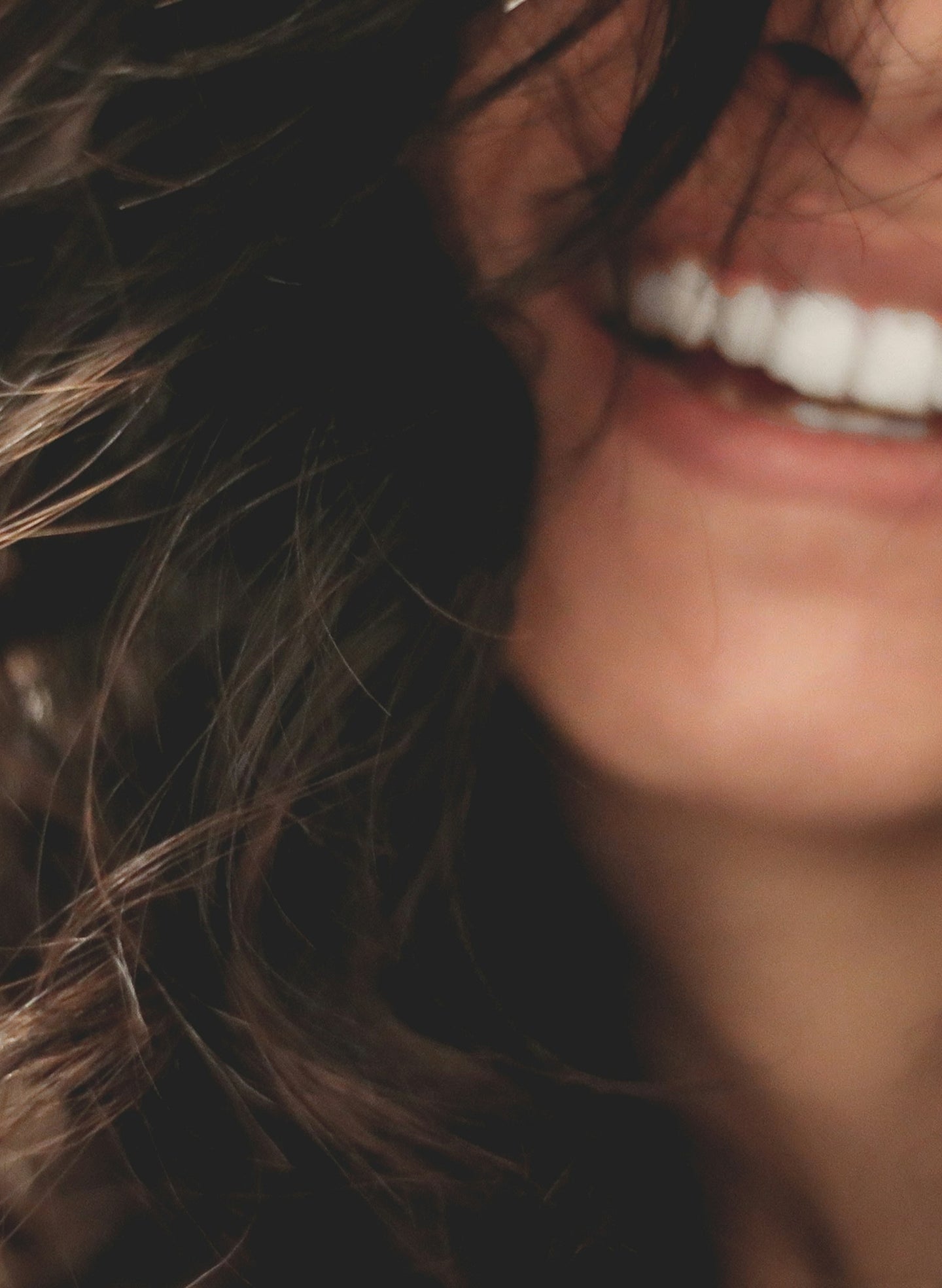
Scroll through Instagram or TikTok for a few minutes and you’ll see it: the Hollywood smile; bright, straight, uniform teeth framed by a perfectly timed grin. For many people, perfect teeth have become shorthand for more than good oral care. They can signal health, youth, discipline, and even success.
At ClearChoice Dental Implant Center, we understand that smiles are personal. Some people want whiter teeth because they love the look. Others feel pressure to look “camera-ready,” or they worry their smile makes them look older than they feel. In this article, we’ll explore the white teeth symbolism behind modern beauty standards, what people mean by the “Instagram smile,” and how to think about whitening and restoration in a way that prioritizes health, realism, and confidence.
Historical roots of the white-teeth ideal
The desire for a brighter smile isn’t new. The difference today is how widely—and how constantly—we’re exposed to “ideal” smiles.
Early associations of white teeth with health and wealth
Across cultures and time periods, teeth have served as visible markers of health and social standing—because they’re hard to hide. In modern research, dental appearance is often discussed as a feature that shapes social judgments, and tooth color can influence how young, healthy, or socially “advantaged” someone is perceived to be.
Sociological work has also explored how straight, white teeth can act like a “social prerogative”—a look that is culturally reinforced and tied to access, class, and identity.
How beauty standards of the past shifted toward bright smiles
For much of history, “good teeth” often meant “teeth that work.” Over time—especially with mass media—smiles became a beauty focal point. Film and celebrity culture helped normalize bright, symmetrical smiles as aspirational, and the baseline for what looks “normal” shifted.
Today, cosmetic dentistry is more visible than ever: veneers, whitening, and orthodontic aligners are openly discussed and documented online, which makes the ideal feel both closer and more unavoidable.
Why white teeth signal status, success, and attractiveness today
There are a few reasons white teeth have become so loaded with meaning—many of them rooted in perception rather than medical reality.
Health, youth, and vitality as perceived by white teeth
Tooth color affects how people perceive faces. One study found that whiter tooth appearance was preferred and that faces with more whitened dentition were perceived as younger across age groups, influencing social judgments.
This doesn’t mean ultra-white teeth are “healthier.” It means whiteness is often interpreted as a sign of youth, vitality, and good self-care—whether or not that’s clinically accurate.
Wealth, social class, and aesthetic access
There’s also an access component: whitening treatments, orthodontics, veneers, and professional restorations can be expensive and time-consuming. That’s why, culturally, “perfect smile” cues can be read as signals of resources—money, time, and proximity to aesthetic services.
Sociological research has directly examined how straight, white teeth can reinforce class differences and become embodied symbols of social advantage.
The impact of social media and the “Instagram smile” trend
How platforms and celebrity culture elevated perfect smiles
Social media didn’t invent beauty standards—but it amplified them. Filters, ring lights, high-resolution cameras, and curated “before-and-after” content make teeth one of the easiest features to compare. A widely cited concern in commentary about Instagram is the rise of “piano-key” smiles—teeth that look strikingly uniform, bright, and flawless in the feed.
Celebrity culture plays a role, too. A recent GQ feature describes veneers shifting from a “secret” to a luxury status symbol, with high-profile demand shaping what people consider normal.
What “Instagram smile” means
There isn’t a single official definition, but in everyday use, “Instagram smile” typically refers to a look with:
Very bright, uniform tooth color
Straight alignment (or the appearance of it)
Consistent tooth shape and spacing
A polished, camera-ready finish
Sometimes that look comes from professional whitening and orthodontics. Sometimes it’s veneers or crowns. And sometimes it’s simply lighting, editing, and filters.
One important note: trend-driven searches like “TikTok teeth whitening trend” can lead people toward shortcuts that are risky or ineffective. Many at-home whitening products rely on hydrogen peroxide or carbamide peroxide to break down stain compounds, but safety depends on proper use and individual oral health.
Consequences and considerations
A bright smile can be fun and confidence-boosting. But there are real downsides when one narrow “perfect teeth” standard becomes the only acceptable one.
Cultural and ethical questions about idealizing white smiles
When a single aesthetic becomes the default, people can start treating normal variation—natural tooth shade, slight spacing, minor asymmetry—as a problem that needs fixing. Research on dental aesthetics and self-esteem suggests that dissatisfaction with dental appearance can be associated with psychosocial impacts, especially in younger people.
And because whitening and cosmetic procedures are not equally accessible, the cultural ideal can also widen stigma—where people with visible dental issues are judged more harshly.
Access, equity, and the difference between aesthetics and oral health
A truly healthy smile isn’t defined by a single shade. Teeth can be healthy and still be naturally off-white. Meanwhile, teeth can look extremely white in photos and still have underlying issues that require care.
The American Dental Association (ADA) notes that whitening can be effective for natural teeth, but it does not whiten tooth-colored restorations (like crowns) and should be approached with realistic expectations.
What this means for modern dental restoration and implants
At ClearChoice Dental Implant Center, we often meet people who aren’t chasing “ultra-white”—they’re trying to feel like themselves again. Social media pressure can be part of the story, but many patients are primarily concerned with function, comfort, and confidence—especially after tooth loss.
How aesthetic desires influence demand for restorations at ClearChoice Dental Implant Center
The “Instagram-worthy” look has made people more aware of what’s possible. But restoration needs are often practical:
Replacing missing teeth so eating feels easier
Stabilizing a bite
Restoring speech clarity for some patients
Improving the appearance of a smile that has changed over time
Dental implants can be part of that solution when they’re appropriate for a patient’s needs and goals—helping restore a natural-looking smile while also supporting everyday function.
ClearChoice Dental Implant Center can also discuss third-party financing options for qualified applicants, which may help patients plan for treatment in a way that fits their budget and timeline.
Keeping realistic expectations: color, alignment, health over perfection
If brightening is your goal, it’s helpful to know:
Whitening works on natural enamel, but restorations don’t whiten the same way.
Over-whitening or DIY hacks can increase sensitivity or irritate gums; professional guidance matters.
A “perfect smile” in photos may be lighting, filters, or editing—not a realistic everyday baseline.
For patients pursuing implant-supported restorations, the goal is typically a shade and shape that looks natural on your face—bright, but believable—while prioritizing long-term oral health and function.
FAQs about white-teeth status and the Instagram smile
Why are white teeth seen as more attractive?
Whiter teeth are often perceived as a sign of youth and health. Research has found tooth color can influence social judgments and perceived age, with whiter dentition often rated more favorably.
Is the “Instagram smile” just cosmetic?
Not always. Some people achieve a brighter, straighter look through whitening and orthodontics, which can overlap with health goals. But the “Instagram smile” is also shaped by filters, curated content, and highly uniform aesthetic expectations.
Are perfectly white teeth healthy teeth?
Not necessarily. Tooth shade varies naturally, and “very white” doesn’t automatically mean healthier. Also, whitening does not improve gum health, treat decay, or address tooth loss. The ADA also emphasizes that whitening applies to natural teeth and won’t change the color of restorations.
How can dental implants or restorations play a role in a bright smile?
When tooth loss or damaged teeth are part of the concern, restoration may be the priority. Dental implants can replace missing teeth and support restorations designed to look natural and balanced in shade and shape—helping many patients feel comfortable smiling again. (Whitening, when appropriate, may be considered separately for natural teeth.)
Should everyone aim for ultra-white teeth?
No. Ultra-white is an aesthetic choice—not a health requirement—and it isn’t the right look (or goal) for everyone. A healthier target is a smile that’s clean, functional, and confidently yours—whether that means subtle whitening, restorative care, or exploring implant options with a ClearChoice team.
Ready to feel confident in your smile again?
If social media has made you feel like your smile has to be “perfect” to be worthy, you’re not alone. The best smile goal is one that supports your health and helps you feel comfortable in everyday moments. If missing teeth or function concerns are holding you back, ClearChoice Dental Implant Center can help you explore restoration options—and build a plan focused on what matters most to you.