Last updated 12.23.2025
When to get dental implants: Timing and considerations
Discover why timing matters for implants, what an evaluation includes, and how acting early protects your oral health.

Deciding when to get dental implants depends on your oral health, lifestyle, and long-term goals. Some people explore implants after years of discomfort or denture challenges, while others consider them soon after losing a tooth. This guide outlines common signs it may be time, why timing matters, and what a ClearChoice evaluation can help you understand.
Who should consider implants
Everyday signals you may notice
Dentures that feel loose or shift when speaking
Avoiding crunchy or chewy foods
Soreness from chewing on one side
Covering your mouth in photos or conversations
These day-to-day limits often prompt people to look for a more stable option.
Dental changes your dentist may see
Failing crowns or bridges
Cracking or worn teeth due to uneven chewing
Bite changes or spaces that appear after extractions
These changes can indicate that a longer-term solution may be appropriate.
Quality-of-life indicators
A limited diet
Speech concerns
Feeling less confident socially
These concerns often motivate patients to schedule an evaluation.
When implants might not be ideal
Dr. Virginia Hogsett Box explains that determining implant candidacy comes down to three key factors: medical necessity, adequate bone support, and overall health for surgery. “Sometimes that means guiding a patient toward a different solution,” she says. “Our priority is achieving the right outcome—not performing a procedure the patient doesn’t truly need.”
Why acting sooner can help (and when waiting makes sense)
Changes that happen over time
After tooth loss, bone and bite changes can occur. Early planning may help reduce additional steps, though this varies by person and cannot be guaranteed.
When it’s better to pause
Your team may coordinate timing if you have:
Active infections
Uncontrolled medical conditions
Habits like smoking that may affect healing
If you currently wear dentures
If your dentures slip, create sore spots, or limit what you can comfortably eat, it may be a sign that it’s time to consider implant-supported alternatives.
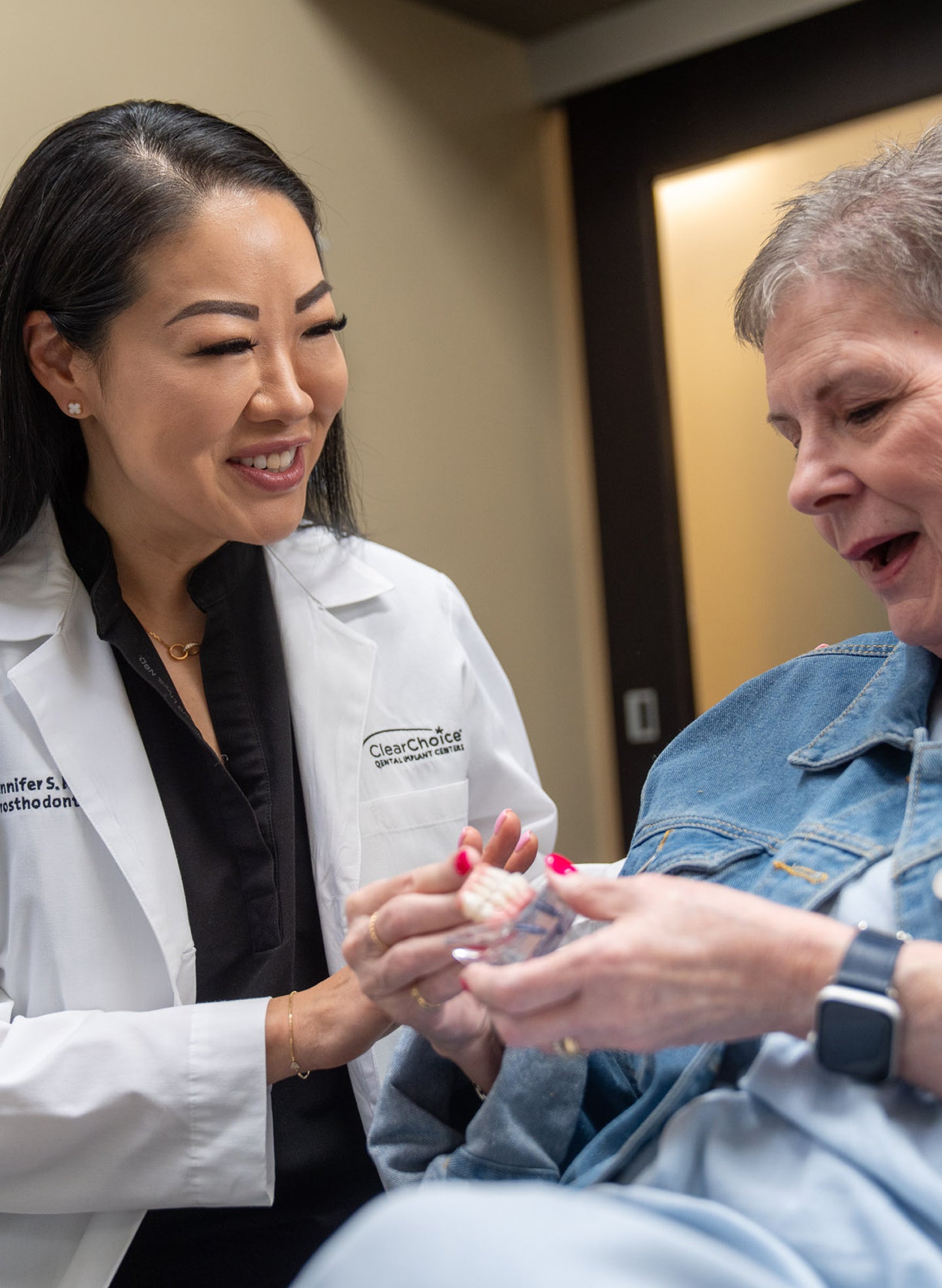
Dr. Samira Salari shares that many patients arrive after years of challenges—broken teeth, recurring infections, or ongoing frustration with dentures. “My goal is to educate patients, show them what’s possible, and help them choose the option that truly supports their long-term goals,” she says.
What an evaluation looks like
Consultation and CBCT imaging
Your first visit typically includes a CBCT scan, a health history review, and a bite analysis. These details help confirm eligibility. In some cases, a dental bone graft may help improve implant stability. For upper-jaw cases, your doctor may discuss sinus lift surgery for dental implants.
Personalized plan discussion
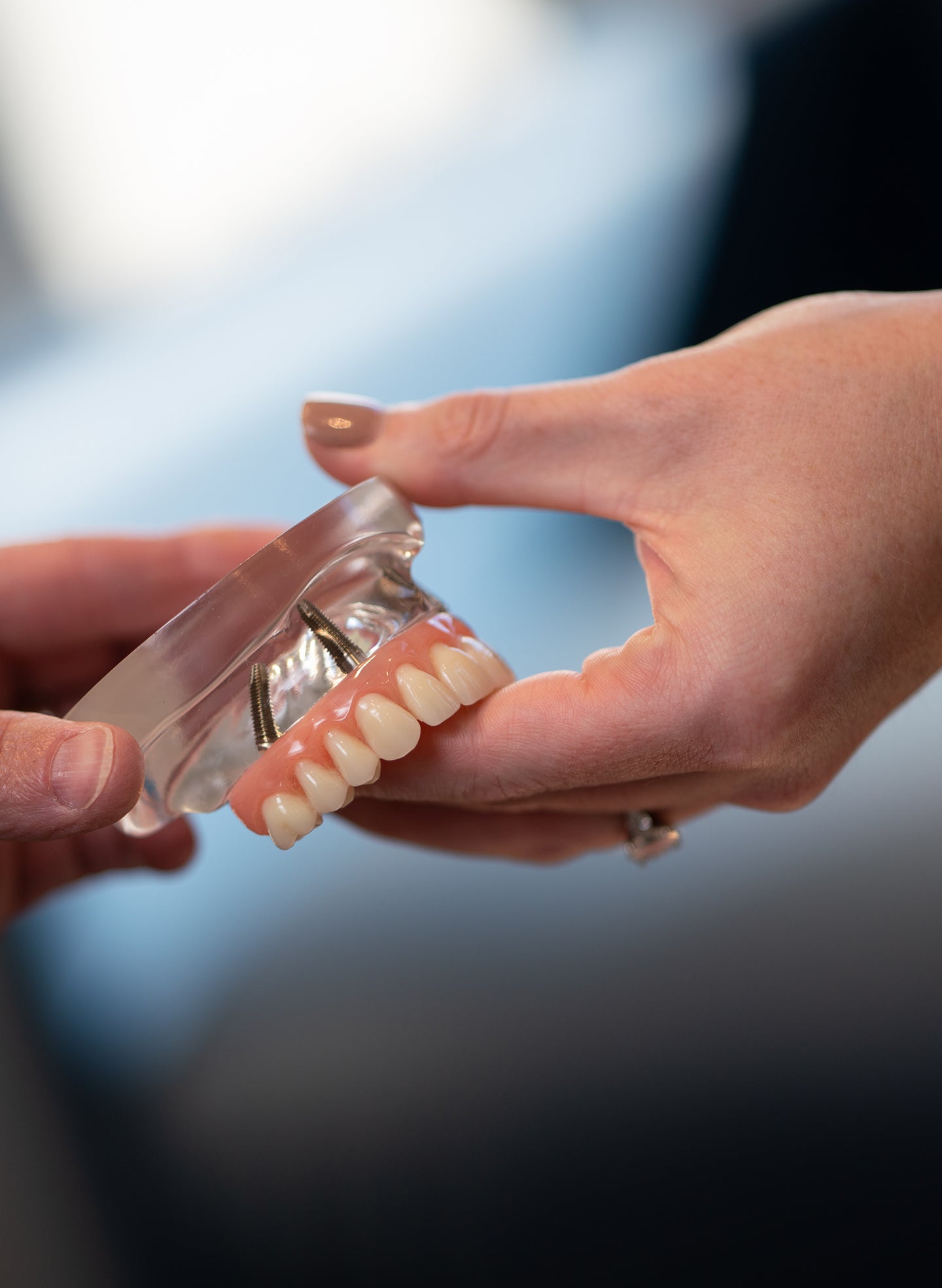
Your team will outline whether a single implant, multiple implants, or a full-arch approach best fits your needs. Immediate or staged (two step) placement depends on your anatomy and dental history.
Who’s on your team
Your treatment is a coordinated effort: a prosthodontist designs your personalized restorative plan, an oral surgeon expertly places the implants, and specialized clinical and lab teams support each step along the way.
As Dr. Sandra Scibetta explains, “You have one team right here—your prosthodontist, a board-certified oral and maxillofacial surgeon, and our on-site lab—working together for you.”
For a closer look at how everything comes together, explore our step-by-step guide to the full dental implant process.
Deciding soon vs. later: Common situations
If you’re missing a single tooth: You may consider replacing it to maintain chewing function and prevent shifting. Some people weigh this against a traditional bridge.
If you’re missing several teeth: Planning your bite, smile, and chewing function together can support comfort and confidence.
If you need full-arch restoration: Our goal is to plan and perform surgery so that you will have your teeth placed immediately and go home with them on surgery day. In certain upper-jaw cases, your doctor may discuss a sinus lift if needed.
Comfort, recovery, and day-to-day life
Anesthesia and sedation
Treatment may involve local anesthesia, oral sedation, or IV sedation based on your health history.
Recovery basics
Some soreness or swelling in the first few days is completely normal. Your care team will walk you through how to support healing, what to expect during recovery, and when to reach out with questions or concerns.
Dr. Krupa Bambal explains, “Osseointegration typically takes at least about two and a half months. During that time, we protect the acrylic provisional. The final zirconia restoration comes later, once everything has fully stabilized."
Temporary teeth
Many patients receive temporary teeth to support speaking and smiling during healing. You may need time to adapt, and follow-up visits fine-tune comfort.
Cost and payment basics
ClearChoice provides an all-inclusive estimate based on your treatment plan. Centers work with third-party financing lenders that may help make payments more manageable. Patients may submit their bill to insurance for possible reimbursement; coverage varies by plan.
Explore cost considerations in how much do dental implants cost.
What to ask at your consultation
“Am I a good candidate now, or should anything be coordinated first?”
“Would my case be best suited for single, multiple, or full-arch implants? Immediate or staged?”
“What should I know about eating with my implant teeth, follow-up visits, and ongoing maintenance?”
Ready to review your options? Schedule a free dental implant consultation.
FAQs
When is it too late to get dental implants?
There’s no strict age limit. Eligibility depends on bone support, overall health, and healing considerations.
How long can I wait after an extraction before getting an implant?
Some patients proceed soon after extraction; others return months or years later. Bone and bite changes can influence planning, so an evaluation helps clarify timing.
Do I have to go without teeth while healing?
Not always. Some form of trial teeth may be used depending on your treatment plan and oral health.
Can older adults get implants?
Yes. Many implant patients are older adults. Your doctor will evaluate your health and bone structure before recommending any treatment.
Disclaimer: This content is educational and isn’t medical advice. Your ClearChoice doctor will provide recommendations after an in-person evaluation.