Last updated 08.20.2026
What to eat after wisdom teeth removal: A complete recovery guide.

Written by: Dr. Kristin Hutkin, DMD
Wondering what to eat after wisdom teeth removal? Get soft food ideas, a simple recovery timeline, and discover foods to avoid so you can heal in comfort.
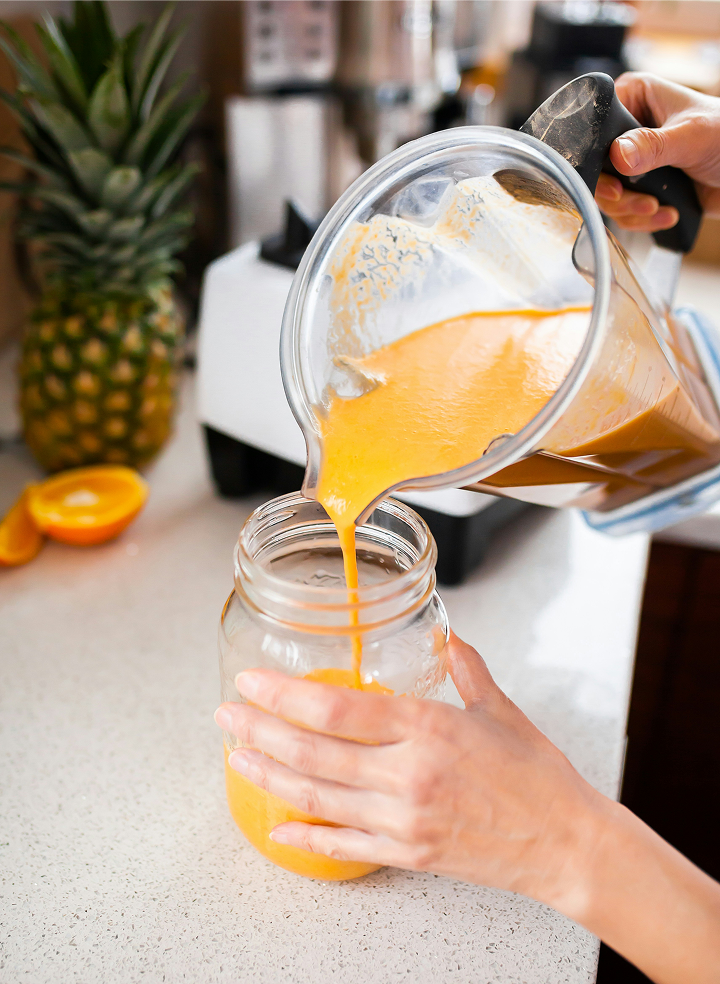
Your mouth is sore, your cheeks may be swollen and the last thing you want to think about is a meal. That reaction is completely normal in the first day or two after wisdom teeth removal, and it eases faster than you might expect once you know what to reach for.
For the first few days, stick to cool, soft, no-chew foods that protect the healing site while it starts to close. This guide covers what to eat after wisdom teeth removal, what to avoid, a simple recovery timeline and roughly when you can expect to return to normal meals.
Wisdom teeth removal is a form of oral surgery, and as with any surgical procedure, what you eat in the days that follow has a direct effect on comfort and healing. Similar to a recommended diet after dental implant surgery, appropriate foods and eating habits are generally recommended to help support recovery and avoid irritation of the extraction site. Certain foods and eating habits may contribute to discomfort or complications following surgery.
Please note: ClearChoice is a dental implant center and does not perform third molar extractions. This article is intended to provide general recommendations on diet after oral surgery recovery.
What to eat after wisdom teeth removal: the first 24 hours
For the first 24 hours, stick to cool or lukewarm liquids and very soft foods that need no chewing at all—think broth, smoothies eaten with a spoon, yogurt and applesauce.
This first day is an important part of the healing process because it is when the blood clot forms at the extraction site. That clot cushions the exposed bone and nerve endings while your gums begin to heal, and disturbing it can lead to a painful complication called dry socket.
A few guidelines for this window:
Skip the straw. The suction created by drinking through one can dislodge the clot.
Let food and drinks cool to room temperature or slightly warm. Very hot items can irritate the site and, for some people, encourage bleeding.
Eat with a spoon rather than a fork and take small amounts at a time.
Avoid chewing near the extraction site altogether, even with soft food.
If you feel nauseated from anesthesia, start with clear liquids before moving on to something like yogurt or a smoothie.
The best soft foods to eat after wisdom teeth removal
The best food to eat after wisdom teeth removal is soft, cool and easy to swallow without any chewing near the surgical site. Soft does not have to mean nutritionally empty, though. Choosing options with protein, vitamins and enough calories may help support recovery and overall nutrition during the healing process.
Good options include:
Broths and blended soups
Greek yogurt
Smoothies, without seeds, eaten with a spoon rather than sipped through a straw
Mashed potatoes
Scrambled eggs
Oatmeal
Applesauce
Cottage cheese
Mashed avocado
Mashed banana
Pudding or gelatin
Well-cooked, soft pasta
Rotating through a handful of these each day may make it easier to maintain protein and calories while healing. Some people find that eating smaller amounts more often, rather than three large meals, feels more comfortable in the first few days.
What to eat during the first week: a recovery timeline
Knowing what to eat after wisdom teeth removal before the day of surgery can make the following week far less stressful. Many people move gradually from liquids to soft solids over about one to two weeks, though the exact pace depends on the individual and the extraction itself.
Recovery is not one-size-fits-all—someone who had all four wisdom teeth removed under sedation may need more time on liquids than someone who had a single, more straightforward extraction. Still, a general timeline can help you know what to expect and plan meals in advance.
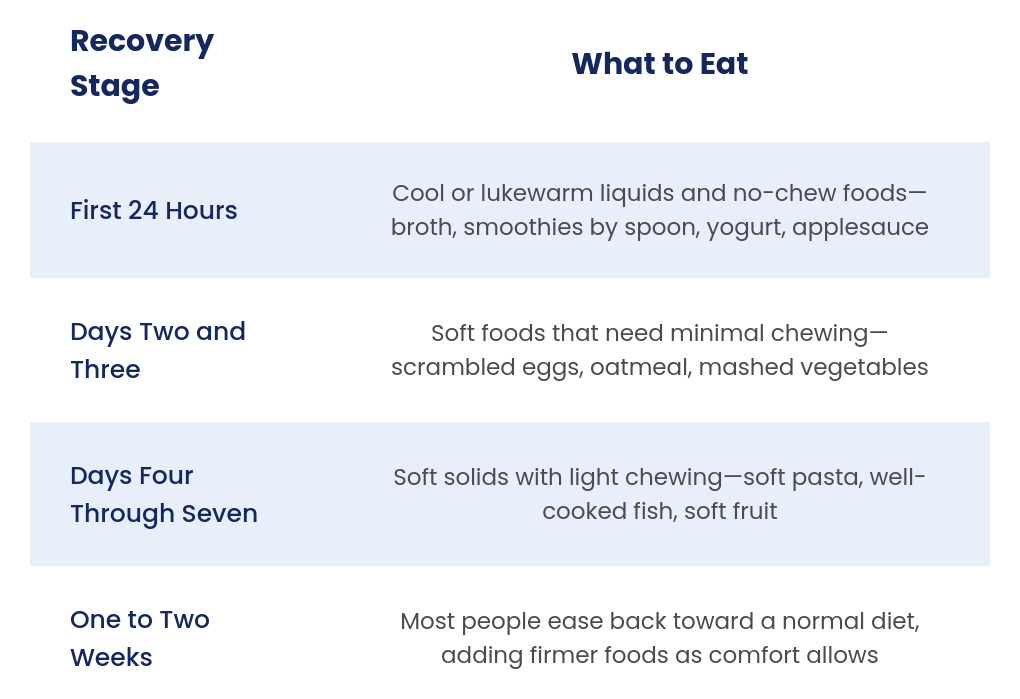
These stages are general guidelines rather than guarantees. Healing speed varies by person, by how many teeth were removed and by how the extraction went. Always follow the specific instructions your oral surgeon gives you, especially if you notice increased pain when you try to advance to a new stage.
Foods and habits to avoid while you heal
Skip anything crunchy, chewy, sticky, spicy, acidic or very hot, and never drink through a straw.
Each of the following can irritate the extraction site, get lodged in the socket or dislodge the healing blood clot:
Crunchy or hard foods, such as chips, nuts and popcorn
Chewy or sticky foods, such as caramel or gum
Spicy foods, which can irritate healing tissue
Acidic foods and drinks, such as citrus or tomato-based sauces
Very hot foods and drinks
Small seeds and grains, which can become trapped in the socket
Alcohol, which can interact with pain medication and slow healing
Drinking through a straw deserves its own callout. The suction it creates can dislodge the blood clot protecting the extraction site, leading to dry socket—a condition that is uncomfortable and can delay healing. Skip straws for at least the first several days, or for as long as your surgeon recommends.
When can you eat normally again
Most people gradually return to a normal diet within one to two weeks, adding firmer foods back in as comfort allows.
A few tips make that transition smoother:
Stay hydrated, sipping water regularly throughout the day
Favor cool or room-temperature foods early on, since heat can irritate healing tissue
Take small bites and chew slowly rather than rushing back to old habits
Chew on the side away from the extraction site once chewing resumes
Signs you may be ready to advance—less soreness, reduced swelling and no pain when you gently test a slightly firmer food—can be more useful than the calendar alone. By this stage, many people no longer need to think carefully about what to eat after wisdom teeth removal and can let their usual appetite be their guide. If something feels uncomfortable, wait a day or two and try again rather than pushing through. Your care team's instructions take priority over any general timeline, including this one.
When to contact your dental or oral surgery team
Reach out to your dental or oral surgery team if you notice any of the following in the days after surgery:
Severe or worsening pain, rather than pain that gradually improves
Bleeding that will not stop or that restarts after it seemed to settle
Signs of infection, such as fever, spreading swelling or a bad taste or odor that will not go away
Throbbing pain that develops a few days after surgery, which can be a sign of dry socket
This list is meant as general guidance, not a substitute for the post-op instructions your own surgeon provided. When in doubt, a quick call to your provider is always worthwhile.
Heal comfortably, then plan your next step
Recovering from wisdom teeth removal is often the first real experience many adults have with oral surgery, and during the dental examination for third molars, broader questions are raised about oral health down the road—especially for those already facing tooth loss or weighing permanent tooth replacement.
While wisdom teeth removal and dental implant treatment are different procedures, both may involve oral surgery as part of a patient's dental care journey. Individuals experiencing tooth loss or considering permanent tooth replacement may benefit from learning more about available treatment options. If you are exploring options for missing or failing teeth, a free consultation is a no-pressure way to learn what is possible for your situation, whether that means dental implant surgery as a path forward.