Last updated 07.29.2026
How to prevent dry socket after a tooth extraction

Written by: Dr. Karina Rochabrun, DMD, MSD, CAGS
Learn how to prevent dry socket after a tooth extraction with simple aftercare steps that protect the blood clot and support the healing process.
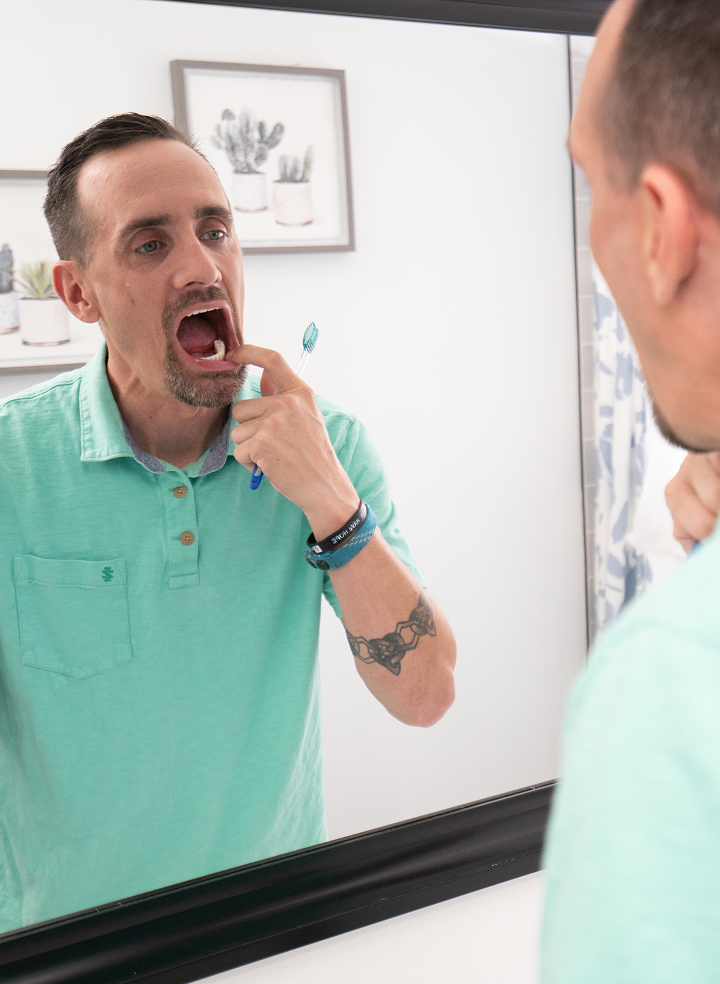
There's a particular kind of relief that comes after a problem tooth is finally out. The ache that kept you up at night is gone, and healing can begin. But that relief often comes with a new worry: am I doing something right now that could set my recovery back?
If you've heard the term "dry socket" and it sounds intimidating, take a breath. Dry socket is uncommon, and for most people it's largely preventable with a few consistent habits in the days right after an extraction. This guide covers what dry socket is, why it happens, and exactly how to not get dry socket — so you can protect the healing blood clot, recover comfortably, and know the signs that mean it's time to call your dental provider.
What Is Dry Socket?
When a tooth is extracted, a blood clot forms in the empty socket. That clot isn't just part of healing — it protects the underlying bone and nerve endings while new bone and gum tissue grows to heal the socket.
Dry socket, known clinically as alveolar osteitis, happens when that clot is dislodged, dissolves, or never fully forms before the site has had a chance to heal. Without the clot's protection, bone and nerve tissue are exposed to air, food, and bacteria, which is what causes the sharp, persistent pain dry socket is known for.
The good news: dry socket is temporary and treatable. It doesn't cause lasting damage, and a dental provider can recommend treatment options to help manage the pain and support healing once it's diagnosed. It shows up almost entirely in the lower jaw and after more difficult extractions, such as impacted wisdom teeth.
What Are the Symptoms of Dry Socket?
Dry socket tends to follow a recognizable pattern, and knowing what to watch for can help you catch it early:
Throbbing pain that starts about 48 hours in. Rather than gradually improving, pain from dry socket often intensifies around day three to five — the opposite of what you'd expect during normal healing.
Pain that radiates. Discomfort may spread to your ear, eye, or neck on the same side as the extraction site.
A visibly empty or whitish socket. Instead of a dark, healthy blood clot, the socket may look empty or pale, exposing the bone underneath.
An unpleasant taste or odor. Bacteria in the exposed socket can cause a bad taste or noticeable bad breath.
The clearest signal to watch for is timing: if your pain is getting worse rather than better a few days after your extraction, it's worth paying closer attention.
Why Does Dry Socket Happen? Common Risk Factors
Dry socket comes down to one core issue — the protective blood clot is lost or disrupted before the socket has had time to heal. Several factors make that more likely, and understanding them is part of learning how to prevent dry socket in the first place. Common risk factors include:
Smoking or tobacco use, which combines suction with chemicals that impair healing
Drinking through a straw or forceful spitting and rinsing, which create suction that can dislodge the clot
Difficult or impacted extractions, including many wisdom tooth removals
A socket that keeps oozing blood for several hours after extraction
A history of dry socket from a previous extraction
Birth control pills, due to their effect on hormones and clotting
Poor post-operative care in the days following the procedure
Some of these, like the difficulty of your extraction, aren't within your control. But most of this list is made up of habits you can manage, which is exactly where prevention comes in. If you're curious about what else to expect during recovery, this overview of dental implant side effects covers healing considerations worth knowing.
How to Prevent Dry Socket: Step-by-Step Aftercare
This is the part that matters most. Preventing dry socket comes down to protecting the blood clot during the first few critical days of healing — and the single most important rule is to follow the specific post-operative instructions your own dental provider gives you. Every extraction is a little different, and your provider's guidance is tailored to your situation.
With that in mind, here's a practical, step-by-step routine for how to prevent dry socket during recovery.
1. Follow Your Provider's Post-Op Instructions
Your aftercare sheet isn't generic — it reflects your specific extraction, health history, and your provider's clinical judgment. Following it closely is an important way to protect your healing. Ask any questions before you leave the office and keep the instructions somewhere handy for the first week. Learn[RJ1] more about why healing matters for long-term outcomes.
2. Avoid Straws, Spitting, and Suction
Drinking through a straw, spitting forcefully, or slurping all create negative pressure in the mouth — and that suction can pull the blood clot right out of the socket. For the first several days, sip liquids directly from a glass, and let excess saliva drip into a tissue instead of spitting it out.
3. Don't Smoke or Use Tobacco
Smoking carries a double risk: the inhaling motion creates the same kind of suction that can dislodge the clot, and the chemicals in tobacco restrict blood flow, slowing healing overall. Avoid smoking and tobacco products for as long as your provider recommends, and if quitting is difficult, it's worth asking about support options.
4. Eat Soft Foods and Avoid Problem Foods
In the first few days, stick to soft, gentle foods — yogurt, applesauce, mashed potatoes, smoothies (no straw or seeds), and thin or pureed soups. Avoid crunchy, chewy, spicy, or very hot foods, along with small particles like rice or seeds that can lodge in the socket. When you chew, favor the opposite side of your mouth from the extraction site.
5. Rinse Gently — and Only When Advised
Vigorous rinsing too soon can disturb a clot that hasn't fully stabilized, so avoid rinsing altogether for the first 24 hours, or as long as your provider advises. After that window, a gentle, dilute, warm salt-water rinse can help keep the site clean — just let the water fall out of your mouth on its own rather than spitting it out forcefully.
6. Rest and Protect the Extraction Site
Strenuous activity and heavy lifting can raise blood pressure and increase bleeding at the extraction site, so plan to rest for the first day or two. It's also worth being gentle with oral hygiene: brush carefully and avoid the extraction site itself for the first 24 hours, while keeping the rest of your mouth clean to limit bacteria.
7. Give the Blood Clot Time to Form
Patients with extraction sites that bleed after extraction are often sent home with gauze from their provider. If your provider sends you home with gauze, follow their instructions for its use. In many cases, slightly moistened gauze placed over the extraction site while gently biting down may help support blood clot formation. It is not recommended that you frequently remove the gauze and check on the healing of the socket during this time.
How Long Does the Dry Socket Risk Last?
The risk of dry socket is highest during the first few days after an extraction, while the blood clot is still fragile and forming a stable foundation for healing. Once that initial healing phase is underway — typically after about a week — the risk drops significantly.
That's why the first few days deserve the most care and attention. For a broader sense of what healing looks like week by week, this dental implant recovery timeline walks through what to expect at each stage.
When to Call Your Dentist or Oral Surgeon
Even with careful aftercare, it's important to know the warning signs that warrant a call to your provider:
Severe or worsening pain several days after your extraction
Pain that isn't relieved by your recommended pain medication
A visibly empty-looking socket
An unpleasant taste or odor that doesn't go away
Fever
If you notice any of these, don't wait it out — call your provider. Dry socket is treatable: a dentist or oral surgeon can clean the site and place a medicated dressing, which may help relieve symptoms.
Healthy Healing Supports Your Long-Term Smile
A smooth, uneventful recovery isn't just about avoiding a few days of pain — it also protects the bone and tissue that support whatever comes next for your smile, whether that's a bridge, a partial denture, or a dental implant.
If you're facing tooth loss or thinking ahead to what comes after an extraction, ClearChoice can help you understand your options, including cases where a tooth can be extracted and replaced with an implant the same day. Schedule a free consultation to talk through your specific situation with a team experienced in tooth extraction, healing, and tooth replacement options.
Preventing Dry Socket: The Bottom Line
Dry socket is uncommon, and for most people, it's preventable. Protecting the blood clot — by steering clear of straws, smoking, and forceful rinsing or spitting during the first few days — is an important part of the healing process. And if pain starts getting worse instead of better, that's your cue to call your provider rather than wait it out.
Every extraction is different, so always defer to your own provider's specific instructions over general guidance like this. To learn more about how ClearChoice approaches extractions, healing, and long-term tooth replacement, visit Why ClearChoice.