Last updated 02.10.2026
Healthy gums vs. inflamed gums: How to protect your smile
Healthy gums are firm and pink—but what if they’re not? Learn how to spot inflamed gums and protect your gums long-term.
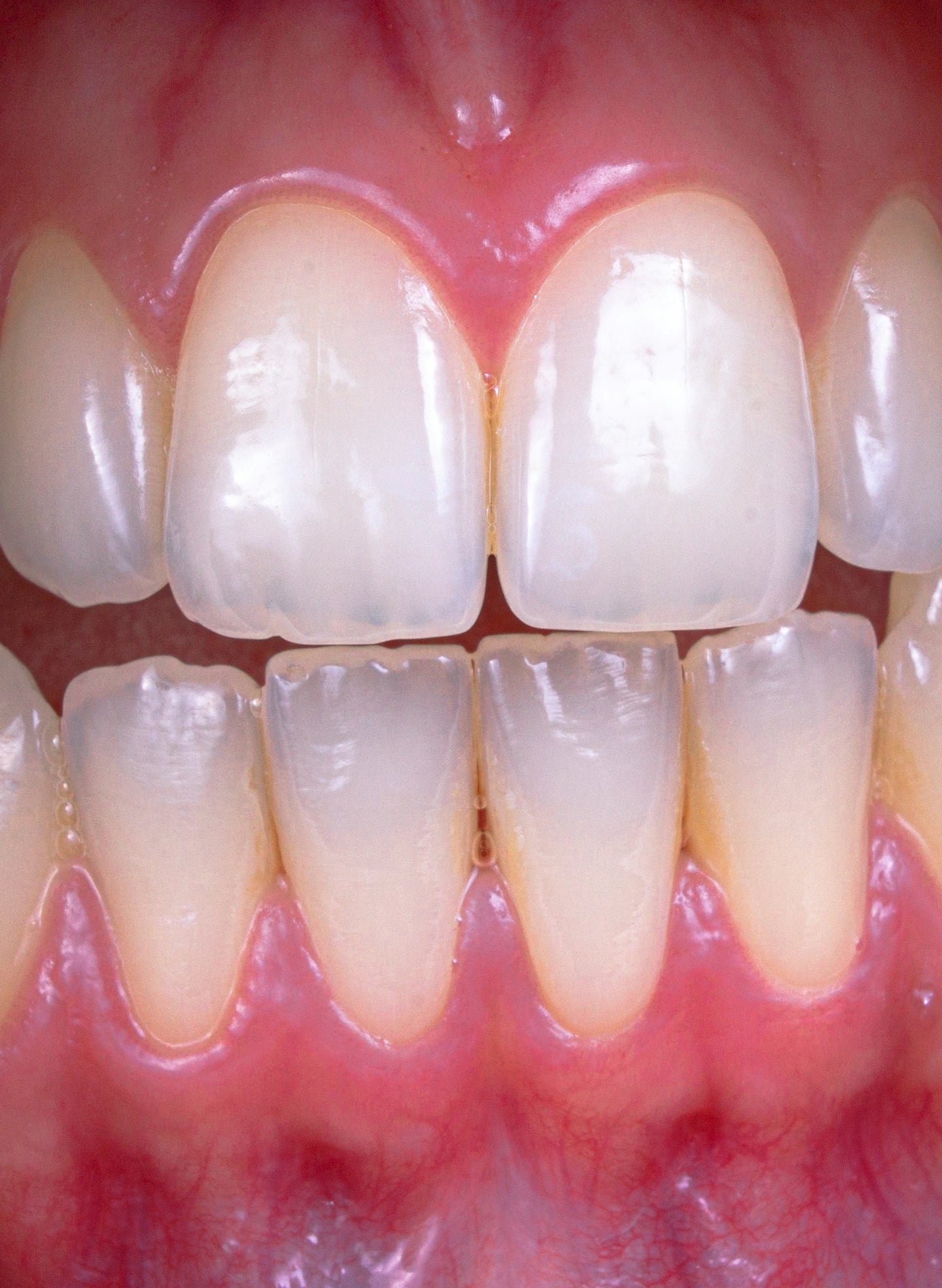
Healthy gums play an essential role in oral health. They support natural teeth, protect dental implant restorations, and help maintain overall comfort in your mouth. But many people aren’t sure what healthy gums actually look like or how to tell when something isn’t right.
This guide explains the difference between healthy gums and inflamed gums, early signs of gum disease, and daily habits that can help protect your gums long term.
What do healthy gums look like?
Healthy gums provide a stable foundation for your teeth and dental implant restorations. While gum appearance can vary slightly from person to person, there are some common characteristics of healthy gums.
Color and texture; firm, pink, and snug around the teeth
Healthy gums are typically:
Pink or light pink in color (healthy colored gums may range from light pink to deeper tones depending on natural pigmentation), but unhealthy gums are fire red around the neck of the tooth
Firm to the touch, not puffy or swollen
Snug around the teeth, without gaps or looseness
Many people ask, what color are healthy gums? While pink is most common, natural pigmentation can vary. The key indicator is consistency, healthy gums usually maintain the same color over time without redness or darkening from inflammation.
No bleeding or tenderness when brushing or flossing
Healthy gums generally do not bleed during brushing or flossing. Occasional minor bleeding can happen if flossing habits are inconsistent, but ongoing bleeding may be a sign of inflammation.
How healthy gums support both teeth and implants
Healthy gums help protect the bone and tissues that support natural teeth and dental implant restorations. Even though implants are not natural teeth, they still rely on healthy gum tissue for long-term support and stability.
Signs of inflamed gums or early gum disease
Inflamed gums are often one of the first signs that something may be affecting your oral health.
Symptoms of gingivitis
Gingivitis is an early stage of gum disease and is often reversible with proper care. Common gingivitis symptoms include:
Very red or darkened gums
Swelling or puffiness along the gumline
Bleeding during brushing or flossing
Tender or sore gums
If you’re wondering why are my gums inflamed? Plaque buildup is a common cause.
What causes gums to become inflamed
Gums may become inflamed due to:
Plaque and bacteria buildup
Inconsistent brushing or flossing
Hormonal changes
Certain medical conditions or medications
Identifying the cause early can help prevent progression.
Healthy gums vs. unhealthy gums
Healthy gums
Firm and pink
Do not bleed easily
Support teeth and restorations effectively
Unhealthy or inflamed gums
Red, swollen, or tender
Bleed during brushing or flossing
May pull away from teeth over time
Understanding the difference between healthy gums vs. unhealthy gums can help you know when to seek professional guidance.
What is periodontal disease?
Periodontal disease refers to more advanced stages of gum disease that affect the tissues and bone supporting the teeth.
The difference between gingivitis and periodontitis:
Gingivitis is the earliest stage of gum disease and is often reversible with improved oral hygiene and professional care.
Periodontitis is a more advanced stage that may involve bone loss and requires ongoing professional management.
If you’d like more detail, ClearChoice offers additional resources focused specifically on gum disease and treatment options.
What to do if your gums are inflamed
If you notice signs of inflamed gums, early action can make a meaningful difference.
Safe home remedies for mild irritation
For mild gum irritation, these steps may help:
Brush the teeth and around the gum line of the teeth gently twice daily with a soft-bristled toothbrush
Floss once daily to remove plaque between teeth
Use an alcohol-free and antibacterial mouthwash to reduce irritation and bacteria
Stay hydrated and maintain a balanced diet
If you’re asking, how do I get rid of inflamed gums? consistency with daily care is often the first step.
When to contact your dental care team
If inflammation persists, worsens, or is accompanied by pain or significant bleeding, it’s important to contact your dental care team. Professional evaluation can help determine the cause and next steps.
How inflammation may affect dental implants
Dental implant patients still need to maintain healthy gums. Inflammation around implants may affect the surrounding tissues that support the restoration. Regular monitoring and good hygiene help support long-term implant success.
How to care for your gums daily
Daily habits play a major role in maintaining healthy gums.
Brushing, flossing, and mouthwash
Brush twice daily with a soft-bristled toothbrush
Floss once daily to clean between teeth and along the gumline
Use an alcohol-free and antibacterial mouthwash to support gum health without drying tissues
Diet and hydration tips for gum health
Eat a balanced diet that supports immune health
Limit sugary foods and beverages
Drink plenty of water to support saliva flow
Regular cleanings and dental visits
Routine professional cleanings and exams allow your ClearChoice dental team to monitor gum health and address concerns early, especially important for patients with dental implant restorations.
Gum health FAQs
What color are healthy gums?
Healthy gums are typically pink, though natural pigmentation varies. The most important factor is lack of redness or swelling.
Why are my gums inflamed?
Inflamed gums are often caused by plaque buildup, inconsistent oral hygiene, or irritation. Smoking and certain health conditions may also contribute.
How do I get rid of inflamed gums?
Improving daily brushing and flossing, using alcohol-free antibacterial mouthwash, and seeking professional care if symptoms persist can help reduce inflammation.
Can gum inflammation affect my dental implants?
Yes. Healthy gums are essential for supporting dental implant restorations. Inflammation should be addressed promptly to help protect surrounding tissues.
What’s the best way to keep gums healthy?
Consistent oral hygiene, a balanced diet, and regular professional care are key to maintaining healthy gums long term.
Protecting your gums supports your smile
Healthy gums are an important part of oral health whether you have natural teeth, dental implants, or both. Understanding what healthy gums look like and recognizing early signs of inflammation can help you take action before problems progress.
If you have concerns about gum health or how it relates to your dental implant restoration, a consultation with your ClearChoice Dental Implant Center can provide guidance tailored to your needs.