Last updated 12.26.2025
Understanding the limits of cosmetic dental fixes like veneers
Many choose veneers for fast results, but masking damage may lead to bigger issues. Explore healthier long-term options.
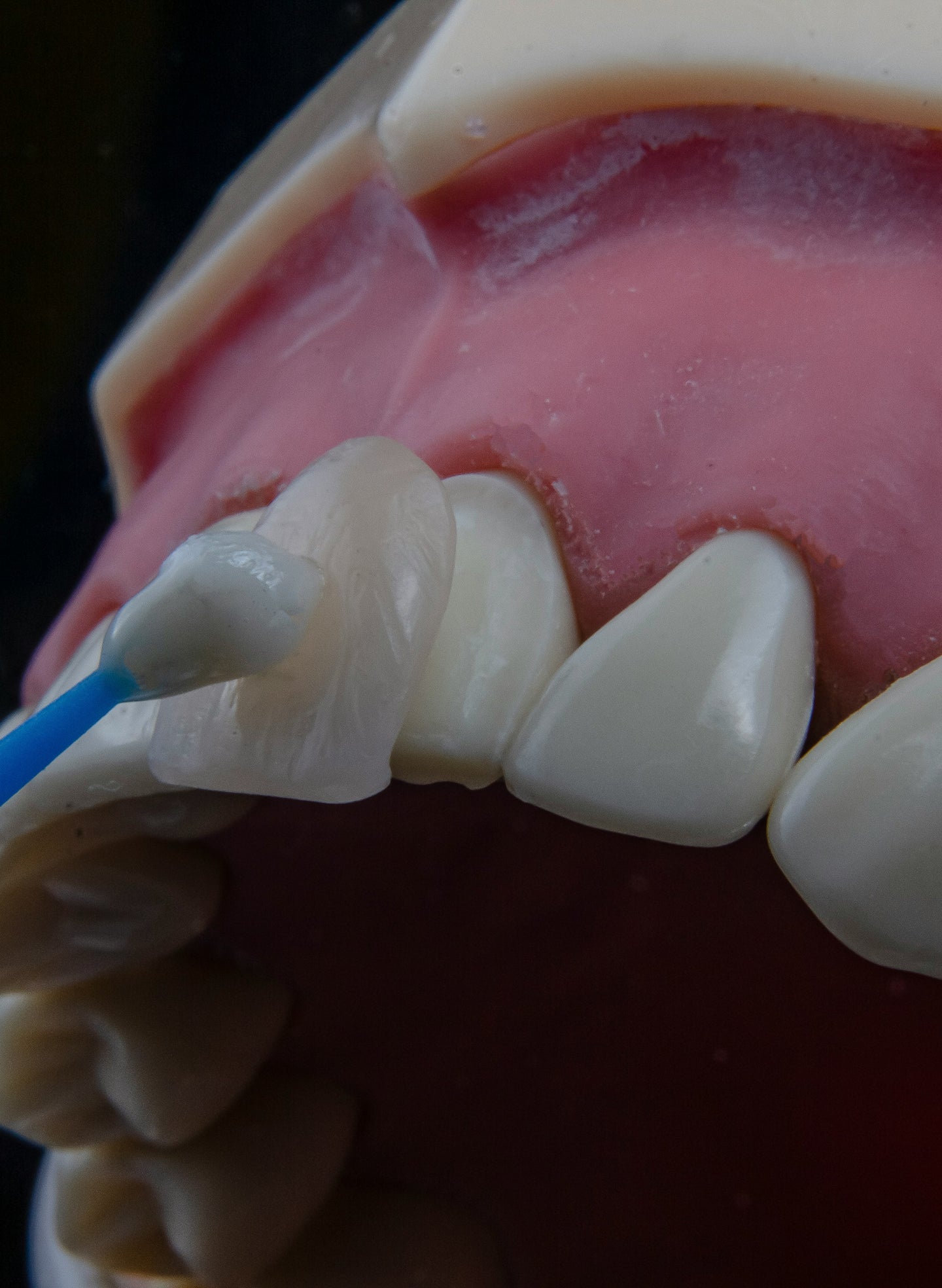
Veneers are thin shells made from porcelain or composite materials. They are bonded to the front surfaces of the teeth to enhance shape, color, or alignment. Many people explore veneers as part of cosmetic dentistry solutions because they can create a brighter, more uniform smile in a relatively short period of time.
What veneers can and can’t address
Veneers can help with:
Mild discoloration
Minor chips or worn edges
Slight misalignment
Uneven shaping
However, veneers cannot address underlying oral health conditions such as:
Tooth decay
Structural fractures
Mobility (loose teeth)
If these issues exist, veneers may improve appearance temporarily without supporting the health of the teeth or gums beneath.
The risks of using veneers to cover up underlying issues
Masking decay, gum disease, or tooth damage
Cosmetic veneers sit on top of the natural tooth, but they don’t treat infection, inflammation, or structural breakdown. If decay or gum disease is present, covering it with a veneer may give the impression of improvement while the underlying condition continues to progress unnoticed.
This can lead to:
Spread of decay beneath the veneer
Worsening gum disease
Tooth sensitivity or instability
Need for more advanced restorative care later
Potential for worsening long-term problems
When damaged or diseased teeth go untreated, the long-term consequences can include:
Loss of healthy tooth structure
Bone loss in the jaw
Tooth loss
The need for more complex procedures that could have been avoided with earlier care
Using veneers in these situations may allow someone to postpone treatment without realizing the condition is becoming more serious.
Why cosmetic fixes often delay needed dental care
Veneers don’t stop dental damage
A veneer may improve appearance, but it cannot halt decay, stabilize a weakened tooth, or restore gum health. Issues that compromise structure or function require restorative treatment, not a cosmetic cover.
It’s common for people to search “Do I need veneers?” or “When should I get veneers?” when what they actually need is clarity about their oral health. A comprehensive evaluation can help determine whether veneers are appropriate or whether another treatment would better support long-term health.
A missed opportunity to preserve bone and oral health
When damaged or missing teeth are not addressed, the jawbone can begin to shrink over time. This process cannot be reversed by veneers, and delaying proper care may affect future treatment options, including dental implants.
Early diagnosis is often the key to preserving bone, restoring function, and preventing avoidable complications.
Dental implants vs. cosmetic veneers: A deeper solution
How implants address the root cause
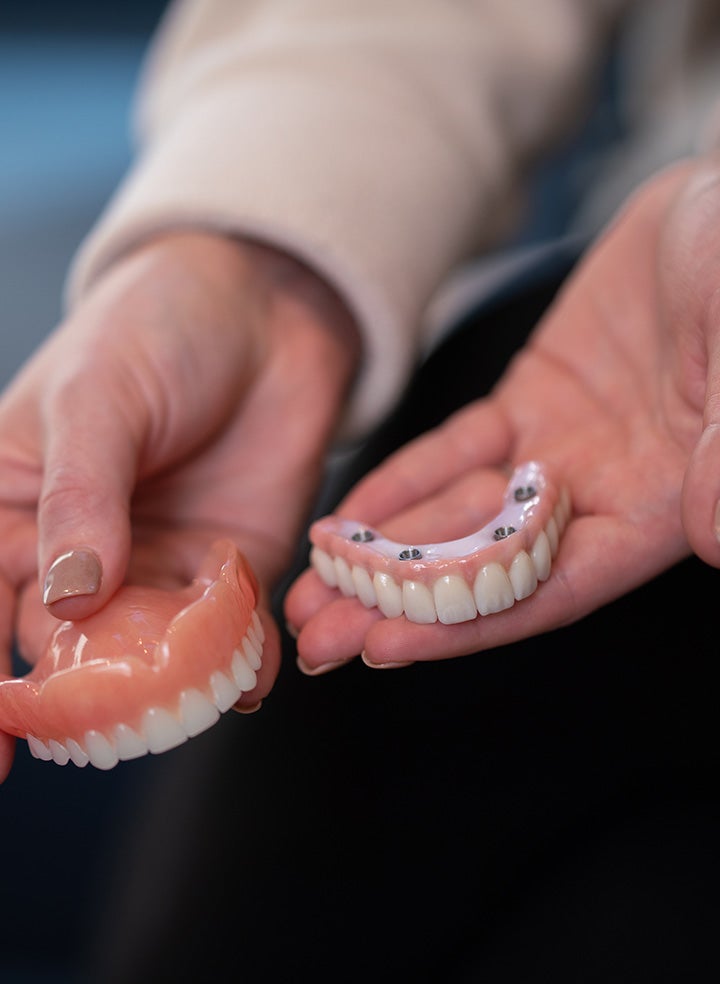
For teeth that are significantly damaged, infected, or missing, dental implants may be a more appropriate solution than cosmetic veneers. Implants replace the entire tooth structure—from the visible portion to the root—supporting long-term function and stability.
While veneers enhance appearance, implants help address:
Tooth loss
Advanced structural damage
Infections that cannot be restored
Bone loss that requires stabilization
Benefits beyond appearance
Dental implants are designed to help support:
Natural chewing strength
Long-term oral health
Oral hygiene routines
This is why implants are considered a restorative option rather than a cosmetic one, they help support the foundation of your oral health, not just the way your smile looks.
Veneers vs. dental damage FAQs
Can veneers stop dental decay?
No. Veneers do not treat or slow dental decay. Any active decay must be addressed before veneers are even considered.
What happens if I ignore gum disease under veneers?
Gum disease can continue to progress beneath veneers, potentially leading to gum recession, bone loss, and tooth mobility. Veneers do not protect against these changes.
Are implants better for damaged or missing teeth?
Implants may be appropriate when a tooth is too damaged or unstable to support a veneer or other cosmetic treatment. A ClearChoice Dental Implant Center can evaluate your overall oral health to help determine whether implant treatment may be an option.
How do I know if I need cosmetic or restorative care?
The best first step is a comprehensive dental evaluation. Cosmetic solutions like veneers may be right for aesthetic concerns, while damage, decay, or missing teeth typically require restorative care.
Choosing the right solution for your oral health
Cosmetic dentistry can play an important role in helping people feel confident about their smile. Veneers, when used appropriately, can enhance the appearance of healthy teeth. But when deeper dental issues are present, a cosmetic approach alone may not provide the support your smile needs.
If you’re unsure whether veneers are right for you or if you suspect there may be underlying dental damage, consider scheduling a consultation. A clear understanding of your oral health today can help you make choices that support your long-term comfort, function, and confidence.