
Last updated 01.13.2026
The symbolism behind your smile (backed by science and myths)
Learn what your smile says about your personality, across psychology, culture, and restored confidence.
Learn more about Dr. William Paulo

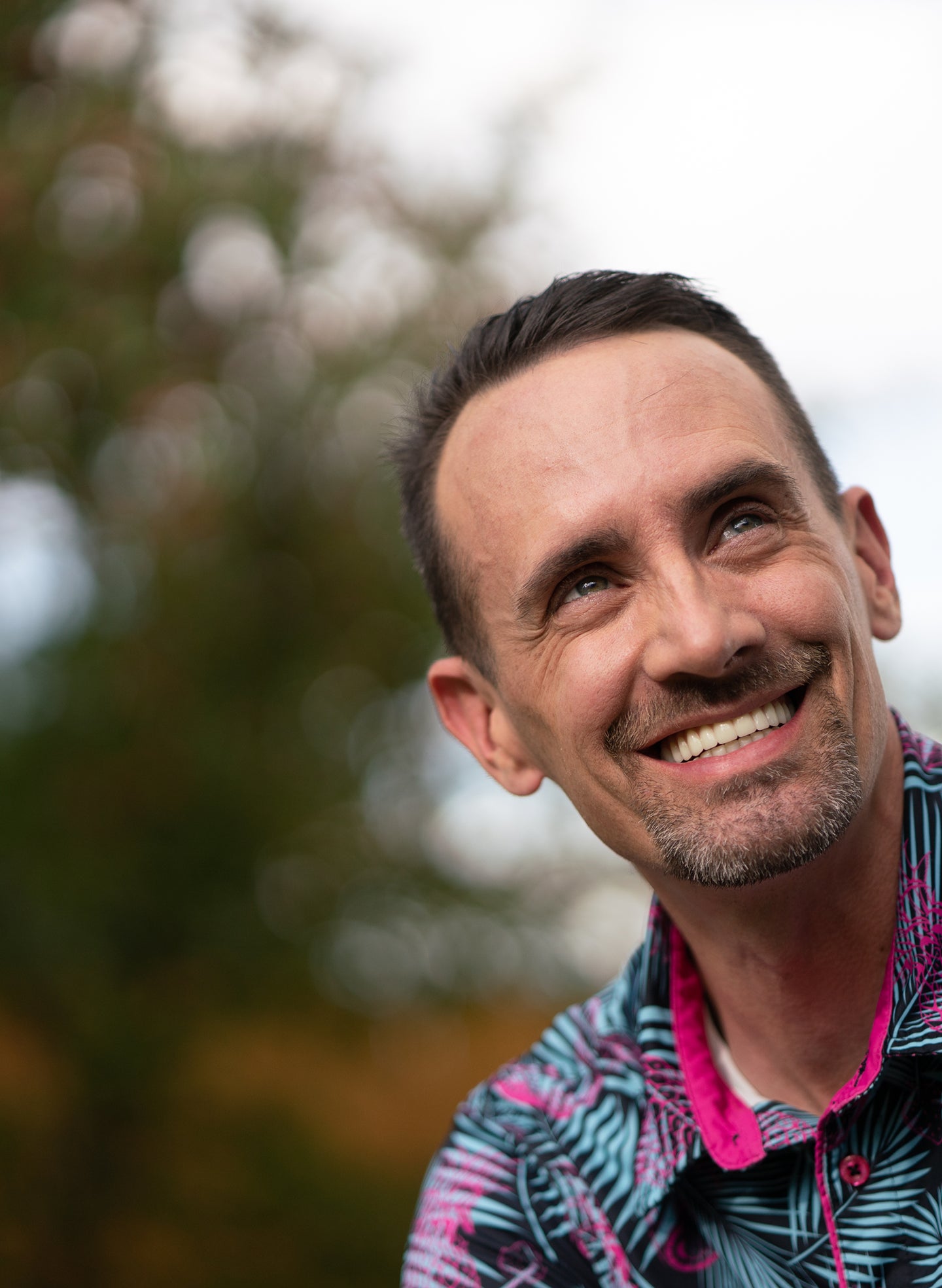
A smile is one of the first things people notice and one of the most powerful forms of nonverbal communication. Whether a smile shows teeth or remains closed-lip can subtly influence how it’s perceived. Across cultures and throughout history, smiling has been associated with warmth, approachability, and emotional expression, but the way teeth are revealed (or not) often shapes how friendly, confident, or reserved that smile appears.
Modern psychology and social science have explored this connection further, examining how smiles, including tooth-bearing and closed-lip smiles, affect perception, confidence, and even self-image.
This article looks at what smiling can communicate, how different smiles are interpreted, and why restoring comfort and confidence with your teeth after dental challenges may support emotional well-being.
How your smile impacts perception
First impressions and nonverbal cues
Research in psychology and behavioral science suggests that facial expressions play a significant role in first impressions. Among them, smiling is often associated with positive traits such as friendliness, trustworthiness, and openness.
When someone smiles naturally, observers may interpret that expression as a signal of approachability or emotional ease. In professional and social settings, smiling has been linked to perceptions of cooperation and warmth though it’s important to note that these interpretations are influenced by context, culture, and individual bias.
Smile frequency and approachability
How often someone smiles can also shape how they are perceived. People who smile more frequently are sometimes viewed as more approachable, while those who avoid smiling may be perceived as reserved or guarded. That said, not smiling does not reflect a lack of confidence or character it may simply reflect comfort levels, cultural norms, or personal expression.
Personality traits linked to smile types
Duchenne vs. non-Duchenne smiles
Psychologists often distinguish between two broad categories of smiles:
Duchenne smiles: These involve both the mouth and the muscles around the eyes. They are commonly associated with genuine enjoyment or emotional engagement.
Non-Duchenne smiles: These involve the mouth alone and may appear more controlled or situational, such as polite or social smiles.
Studies suggest that observers tend to perceive Duchenne smiles as more authentic. However, authenticity is not determined by facial expression alone—context and individual differences matter.
What cultures and myths say about smiling
Smiling does not mean the same thing everywhere. In some cultures, frequent smiling is associated with friendliness and openness. In others, reserved expressions may signal respect, humility, or professionalism. Cultural norms strongly influence how smiles are given and interpreted.
Historically and mythologically, smiles have symbolized everything from joy and good fortune to mystery and restraint. In folklore, a “hidden smile” might suggest wisdom, while a broad smile could represent generosity or optimism. These symbolic interpretations are cultural narratives, not scientific conclusions, but they highlight how deeply smiles are woven into human storytelling.
The psychology of smile restoration
Emotional impact of smile loss
When dental issues affect the ability or comfort to smile, people may experience changes in self-expression. Some individuals report feeling more self-conscious, avoiding photos, or limiting social interactions. While these responses vary from person to person, psychology research shows that changes in appearance can influence self-esteem and emotional well-being.
Loss of confidence related to smiling is not superficial it can affect how someone shows up in daily life, from conversations to public settings.
Regaining self-esteem with restored smiles
Restoring a smile after tooth loss or dental challenges may first change how that smile is perceived, both by others and by the person wearing it. When teeth are restored and a smile feels intentional again, some individuals report feeling more at ease expressing themselves socially.
It’s important to frame this realistically: dental restoration does not change personality. What it may do is remove barriers that prevent someone from expressing the confidence or warmth they already have. Having a confident mile that displays your teeth, impacts the perception of those who now see your genuine self.
How prosthodontic treatment supports confidence
Prosthodontic care focuses on restoring function, balance, and harmony, not just appearance. For patients who have experienced tooth loss, dental implant restoration may help support chewing, speech, and facial structure, which can influence overall comfort and confidence.
Because each smile is unique, treatment planning is individualized. Prosthodontists consider facial proportions, bite alignment, and long-term oral health when designing implant-supported teeth. This personalized approach is intended to support natural-looking results that feel integrated, not artificial or exaggerated.
How ClearChoice helps restore natural-looking smiles
Smile design and personalized treatment plans
At ClearChoice Dental Implant Center, treatment begins with a comprehensive evaluation. Prosthodontists assess oral health, bone structure, and functional needs before creating a personalized plan for dental implant restoration.
Smile design is not about creating a “perfect” smile it’s about restoring balance and function in a way that aligns with each patient’s facial features and goals.
Prosthodontists who focus on facial harmony
ClearChoice prosthodontists lead the restorative process, working alongside surgeons and clinical teams under one roof. This collaborative model supports coordinated planning and follow-up care.
Dental implant restoration is approached as a health-focused solution that may help patients feel more comfortable smiling, speaking, and engaging socially over time.
Smile and personality FAQs
What does my smile say about my personality?
Smiling is often associated with warmth and approachability, but it does not define personality. Individual traits, cultural norms, and context all play a role in how smiles are expressed and perceived.
Are there different types of smiles?
Yes. Psychology research often distinguishes between smiles that involve both the eyes and mouth and those that are more situational or social. Neither type is inherently better they serve different purposes.
Can smiling really improve my mood?
Some studies suggest that smiling may influence emotional feedback loops, potentially supporting mood regulation. However, emotional experiences are complex, and smiling alone is not a substitute for mental health care.
Do people judge character based on smiles?
People may form quick impressions based on facial expressions, including smiles, but these judgments are subjective and influenced by bias. A smile does not accurately measure integrity, intelligence, or kindness.
How can dental implants restore my ability to smile?
Dental implant restoration may help replace missing teeth, support oral function, and improve comfort. For some individuals, this can reduce self-consciousness and make smiling feel more natural again. A prosthodontist can help determine whether implants are appropriate after evaluation.
A smile is both personal and symbolic, shaped by biology, culture, and lived experience. Understanding its role can help us better appreciate why restoring comfort and function matters, not just for oral health, but for everyday expression.
Disclaimer: Information contained is for informational or educational purposes only and does not substitute professional dental advice or consultations with dental professionals. Always consult your ClearChoice Dental Implant Center team for personalized recommendations.