Last updated 01.16.2026
The link between sleep apnea, oral health, and dental implant eligibility
Sleep apnea may cause oral conditions—like dry mouth and gum issues—that affect your ability to receive dental implants.

Learn more about Dr. Sandra Scibetta

Sleep apnea is often discussed in terms of breathing and sleep quality, but it can also affect oral health in ways that matter when dental implant restoration is being considered. Conditions such as dry mouth, gum inflammation and teeth grinding, are commonly associated with sleep apnea.
This article explains what sleep apnea is, how it can affect oral health, and why a comprehensive evaluation is important before dental implant treatment.
What is sleep apnea?
Sleep apnea is a sleep-related breathing disorder in which breathing repeatedly stops and starts during sleep. These interruptions can reduce oxygen levels and disrupt normal sleep patterns. Some of this cycling is considered pathways in the brain, but conditions in the mouth add to the disruption of a good night’s sleep.
Overview of obstructive sleep apnea (OSA)
Obstructive sleep apnea is the most common form of sleep apnea. It occurs when the muscles at the back of the throat and tongue relax too much during sleep. The tongue falls back into the throat, temporarily blocking the airway. This obstruction can cause snoring, gasping, or brief awakenings throughout the night.
Common symptoms and risks
People with sleep apnea may experience:
Loud or chronic snoring
Daytime fatigue or sleepiness
Morning headaches
Difficulty concentrating
Interrupted or restless sleep
Untreated sleep apnea has been associated with broader health concerns, which is why ongoing medical care is important.
How sleep apnea impacts oral health
Sleep apnea can influence the mouth and jaw in several ways, especially when symptoms are ongoing.
Dry mouth and reduced saliva
Many individuals with sleep apnea breathe through their mouth during sleep. The production of saliva is naturally reduced at night. Reduced saliva flow and mouth breathing may increase the risk of tooth decay, gum irritation, and discomfort. Saliva plays an important role in maintaining oral balance, and persistent dryness can affect the tissues that support teeth and implant-supported restorations. Patients who use CPAP machines to flow air through the airway also adds to dry mouth.
Increased risk of gum disease and cavities
Dry mouth may contribute to inflammation in the gums. Over time, this inflammation can affect gum health and the bone that supports teeth. Healthy gums are an important factor when dental implants are being considered
Bruxism (teeth grinding) and jaw pain
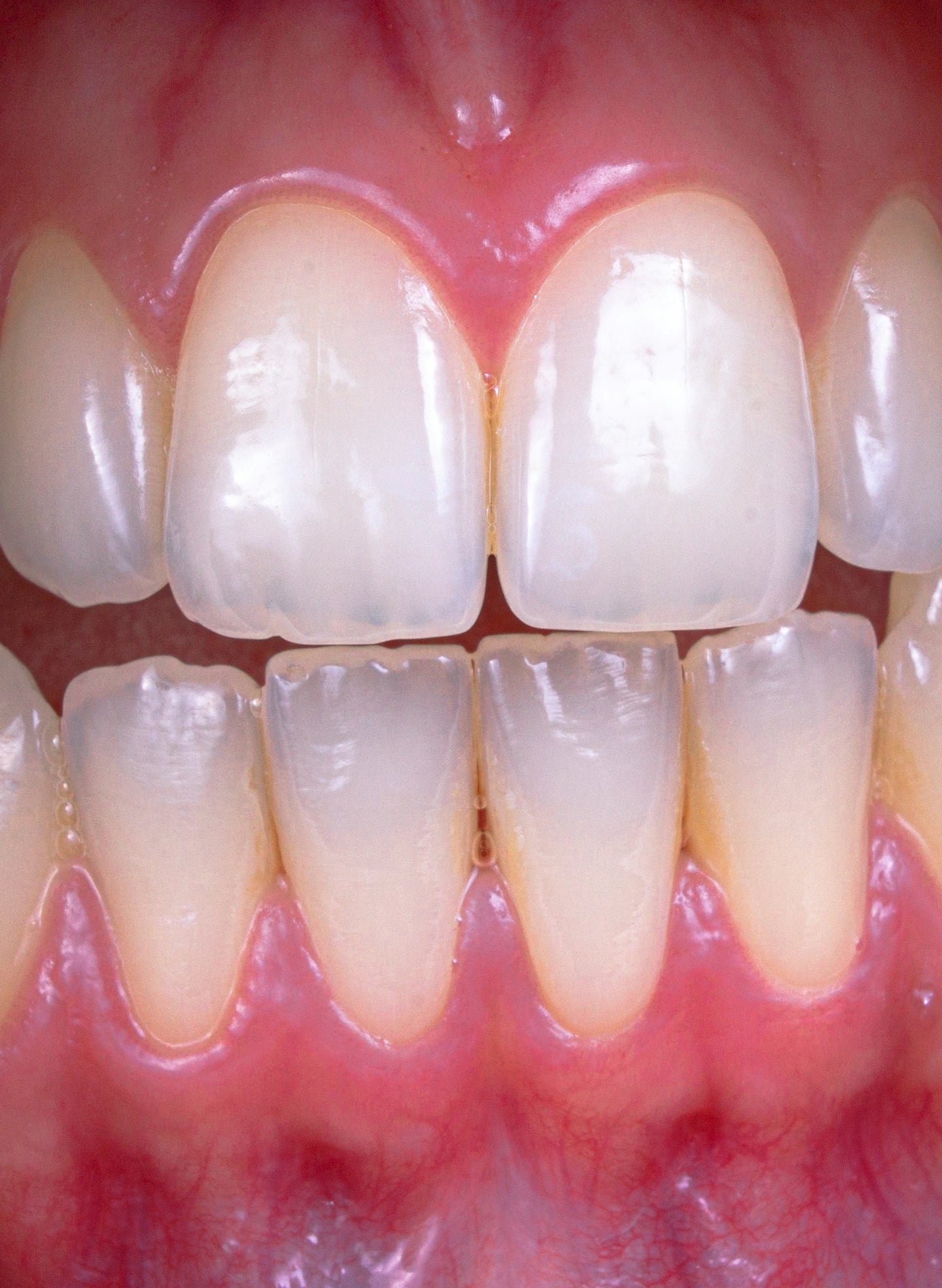
Bruxism, clenching or grinding the teeth, is commonly associated with sleep apnea. Excessive grinding can place stress on teeth, jaw joints, and restorations. Jaw discomfort, tooth wear, or fractures may develop if bruxism is not managed.
How oral health affects dental implant eligibility
Dental implant eligibility is based on a combination of factors, including bone health, gum condition, and overall oral stability.
Healthy gums and bone are essential
Dental implants rely on healthy bone and surrounding tissues for long-term support. Conditions such as gum inflammation or bone loss may need to be addressed before implant treatment is planned.
Why bruxism may complicate implant stability
Teeth grinding can place additional forces on implant-supported teeth. While implants are designed for function, excessive or unmanaged bruxism may influence how treatment is planned. Managing bite forces and jaw habits is an important part of implant evaluation.
Managing inflammation before treatment
If signs of inflammation are present, treatment may focus on improving oral health before implant placement. This step supports healing and long-term implant performance.
What to do if you have sleep apnea and need implants
Having sleep apnea does not prevent dental implant treatment. However, it does make careful evaluation and coordination of care especially important.
Importance of full evaluation by a prosthodontist
A prosthodontist-led evaluation allows your oral health to be assessed comprehensively. Imaging, bite analysis, and review of medical history help determine whether implant treatment can proceed safely or if preparatory care is needed.
Coordinating with your sleep specialist or physician
In some cases, your ClearChoice doctor may recommend coordination with your sleep specialist or physician. Understanding how sleep apnea is being managed helps inform implant planning and long-term care considerations.
Ways ClearChoice may support implant success
At ClearChoice Dental Implant Center, treatment planning is individualized. Prosthodontists work alongside surgeons to assess anatomy, manage bite forces, and account for conditions such as bruxism or dry mouth. This collaborative approach supports informed decisions about implant timing and design.
Sleep apnea and implants FAQs
Can I get dental implants if I have sleep apnea?
Many people with sleep apnea are eligible for dental implants. Eligibility depends on oral health, bone condition, and how sleep apnea-related factors are being managed. A professional evaluation is required.
Does using a CPAP machine affect oral health?
CPAP use may be associated with dry mouth in some individuals. Maintaining good oral hygiene and discussing symptoms with both your sleep specialist and oral health professional can help address concerns.
How does bruxism impact implant outcomes?
Bruxism may place additional stress on teeth and implant-supported restorations. Managing bite forces and monitoring wear are important parts of long-term care.
Will I need a sleep study before implant treatment?
A sleep study is not routinely required for implant evaluation. However, if sleep apnea is suspected or already diagnosed, sharing that information helps your care team plan appropriately.
Sleep apnea and oral health are closely connected. Understanding how sleep-related conditions affect the mouth can help guide thoughtful dental implant planning. If you have sleep apnea and are considering dental implant restoration, a ClearChoice Dental Implant Center team can help evaluate your oral health and coordinate care as needed.
Disclaimer: This content is for informational purposes only and does not substitute professional dental advice. Always consult your ClearChoice Dental Implant Center care team for personalized recommendations.