Last updated 09.17.2026
Can perimenopause cause dental issues? What to know about perimenopause and dental health
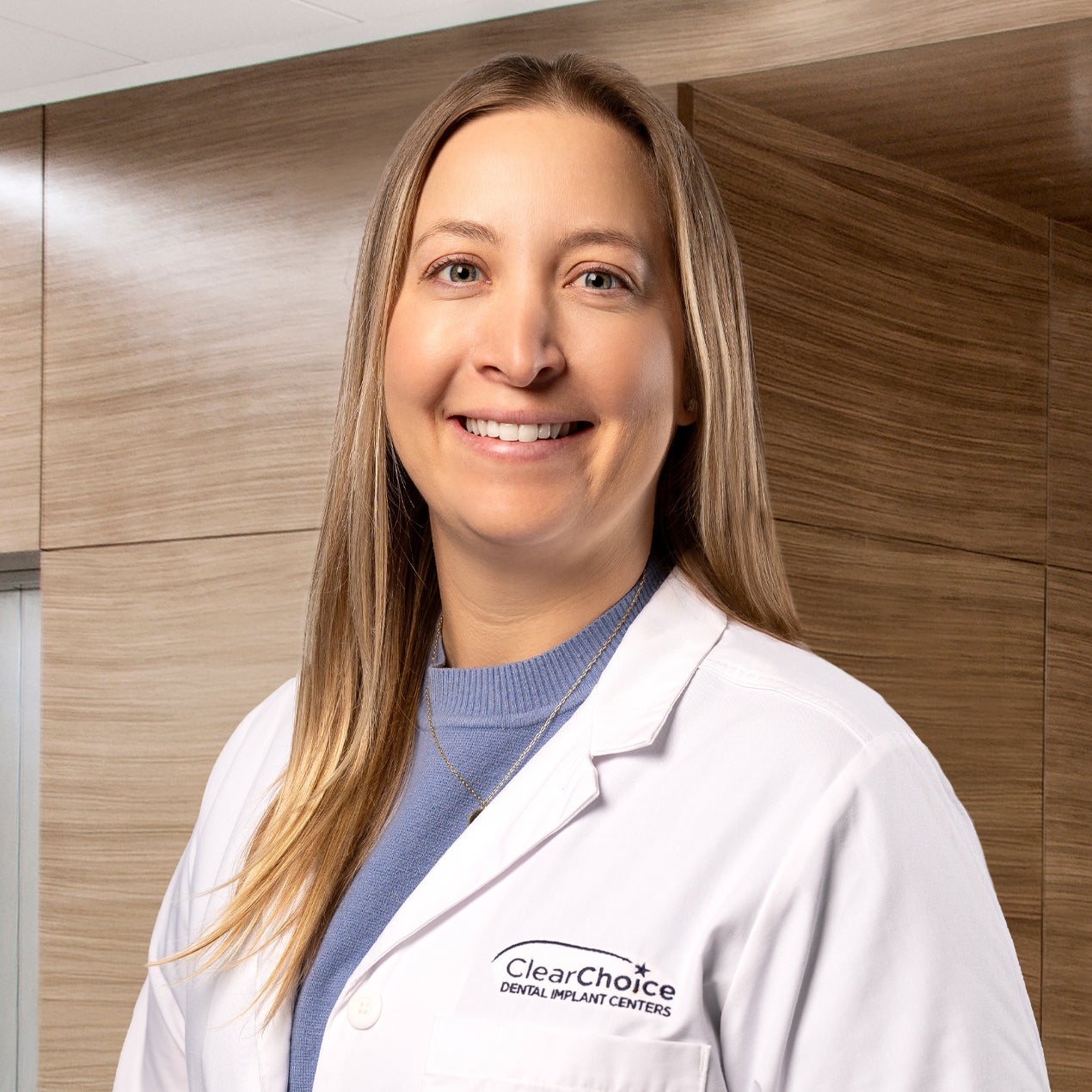
Written by: Dr. Jenna Benko, DMD
Perimenopause can affect your teeth and gums earlier than you'd expect. Learn the common dental problems to watch for and how to protect your smile.
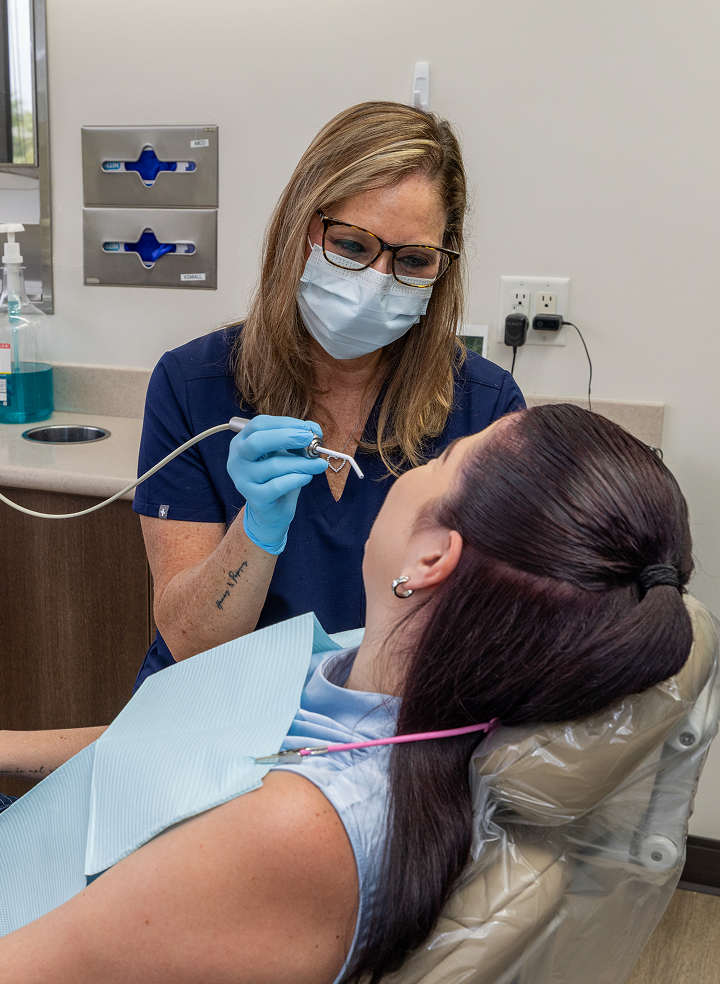
You're 42. You floss every night, you haven't missed a dental cleaning in years, and suddenly your gums bleed when you brush, or you're dealing with your first cavity in a decade. You're not missing periods yet. You're definitely not having hot flashes. So it doesn't occur to you that hormones might be behind what's happening in your mouth.
That disconnect is common. Perimenopause can trigger real, identifiable dental changes years before the more familiar signs of the transition show up. This guide breaks down which teeth and gum problems are linked to perimenopause, why they happen, and how to get ahead of them so your smile stays healthy through this transition and beyond.
What is perimenopause and why does it affect your teeth?
Perimenopause is the transition period leading up to menopause. It often begins in your 40s, sometimes in your late 30s, and can last several years before periods stop altogether. During this stretch, estrogen and progesterone fluctuate, often unevenly, rather than declining in a straight line.
Those hormones do more than regulate your cycle. Estrogen in particular helps maintain gum tissue, saliva production and bone density, including the jaw and bone that supports your teeth. When estrogen levels swing, the tissues in your mouth can respond, sometimes before any other sign of perimenopause appears. This is one reason perimenopause dental issues can catch people off guard: the mouth may start changing before the rest of the body's more recognizable symptoms do.
Common perimenopause teeth problems to watch for
Hormonal fluctuations during perimenopause can affect your mouth in several distinct ways. Not everyone experiences all of these, and severity varies from person to person, but the following perimenopause teeth problems are the ones dentists see most often:
Dry mouth. Lower estrogen can reduce saliva production by affecting the blood supply from the very small blood vessels that fuel the saliva gland cells, and saliva is one of your mouth's main defenses against decay.
Sensitive or bleeding gums. Gums can become more prone to inflammation and the change in the small blood vessels make the tissue more fragile, so brushing or flossing may cause bleeding that wasn't there before.
Tooth sensitivity. Some people notice their teeth react more to hot, cold or sweet foods than they used to.
Changes in taste. A metallic or altered taste in the mouth is a less common but recognized symptom.
Burning mouth or tingling. Some people describe a burning or tingling sensation on the tongue, gums or roof of the mouth.
Teeth grinding. Stress and disrupted sleep, both common during perimenopause, can contribute to clenching or grinding, which wears down teeth over time.
Dry mouth deserves special attention, because it's one of the main drivers of perimenopause teeth problems. Less saliva means less natural rinsing and buffering against the bacteria that cause cavities and gum disease, so this one change can quietly raise your risk for several other issues on this list.
Can perimenopause cause gum disease or tooth loss?
Perimenopause itself does not directly cause gum disease or tooth loss, but the hormonal changes involved can raise the risk of both. As gums become more prone to inflammation and bleeding, they're more vulnerable to gum disease if plaque is left to build up along the gumline.
Left untreated, gum disease can progress over time and eventually contribute to loose teeth or tooth loss. Perimenopause can also coincide with early shifts in bone density, which affects the bone that anchors your teeth in place. None of this is inevitable, though. Consistent oral hygiene and regular dental visits go a long way toward catching and managing these changes before they become bigger problems.
How to protect your teeth during perimenopause
The good news is that perimenopause dental issues respond well to proactive care. Consider these steps:
Brush twice daily and floss once a day, consistently.
Stay hydrated throughout the day, and ask your dentist about dry-mouth rinses or products if your mouth feels persistently dry.
Keep up with regular dental checkups and cleanings so small issues get caught early.
Get enough calcium and vitamin D to support bone health, following your doctor's guidance.
Limit sugary or acidic snacking, which are more detrimental to your teeth because of the reduced protection from saliva.
Tell your dentist you're in perimenopause, so they know to watch for hormone-related changes.
Acting early in perimenopause is one of the best ways to protect your teeth and gums for the years ahead. Small, consistent habits now can prevent bigger problems later, when they're harder and more costly to reverse.
When to see your dentist
See your dentist if you notice persistent bleeding gums, ongoing dry mouth, increasing tooth sensitivity, loose teeth or a burning sensation in your mouth. These are worth a professional evaluation rather than waiting to see whether they resolve on their own.
This article is meant to help you recognize patterns, not to replace guidance from your own dentist or doctor. If something feels off in your mouth, or you have questions about how perimenopause might be affecting your broader health, they're the right people to ask.
Perimenopause, menopause and your long-term smile
Most perimenopause dental issues are manageable with consistent care and regular checkups, and many of the same patterns continue into menopause. The habits you build now, staying ahead of dryness, gum health and routine visits, tend to pay off for years to come.
For some people, though, years of gum disease, bone loss or other dental issues eventually lead to significant tooth loss. If that happens, dental implants are one permanent replacement option worth knowing about. ClearChoice specializes in dental implants, with care teams that include oral surgery expertise, for patients who reach that point.
A free consultation is a no-pressure way to explore your options if tooth loss becomes a concern down the road.
Schedule free consultation