Last updated 03.02.2026
What an oral surgeon does—and when a specialist may be recommended
Oral surgeons (oral and maxillofacial surgeons) may help manage more complex surgical needs—sometimes including dental implant placement. Learn what they do & what situations may require a specialist.
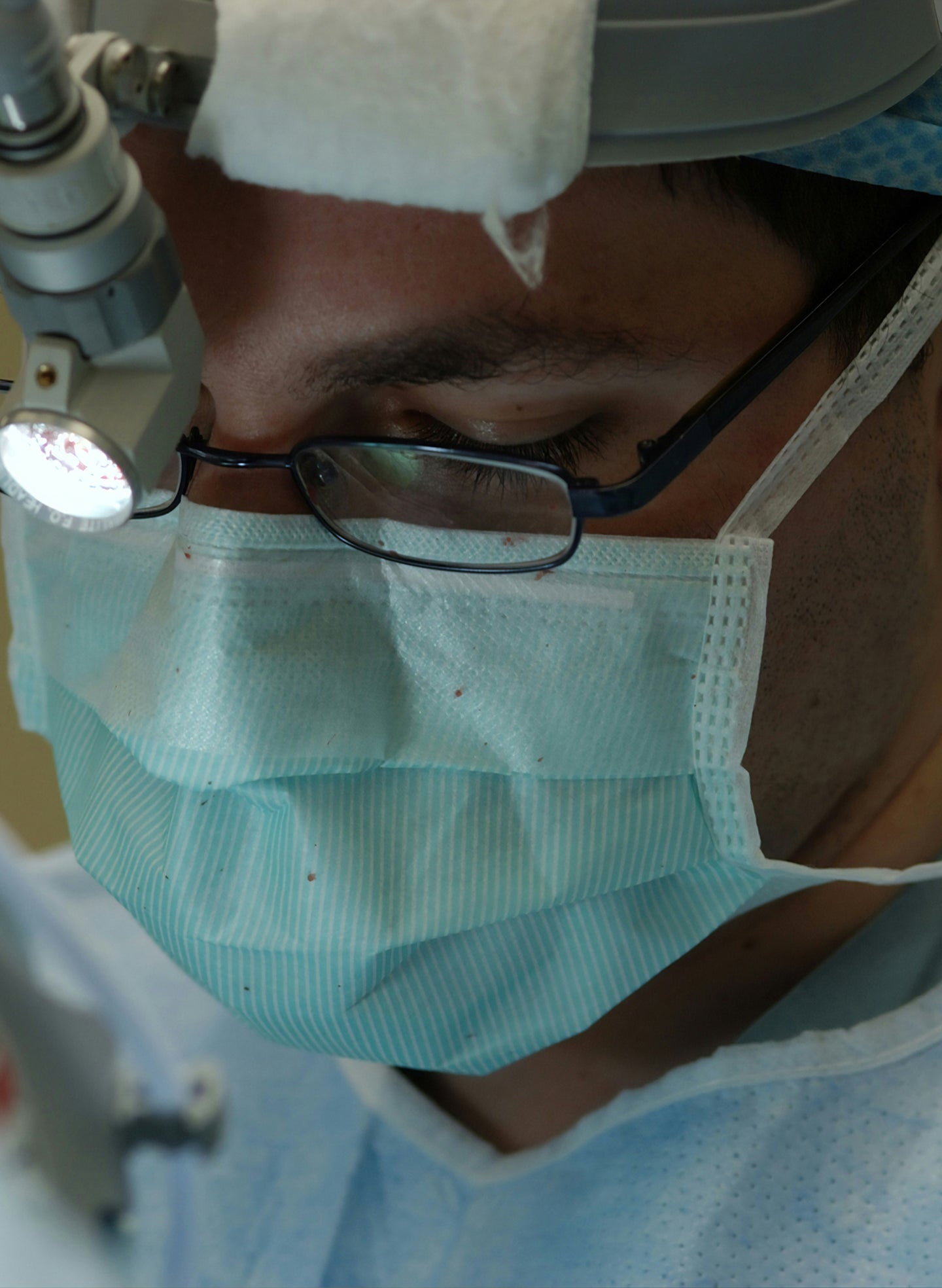
If you’ve searched for oral maxillofacial surgery or wondered, “What does an oral surgeon do?” You’re not alone. Many people are referred to an oral and maxillofacial surgeon when their dental needs involve more complex surgical care.
Oral surgeons treat a wide range of conditions affecting the mouth, jaw, and face. In some cases, they may also play a role in dental implant treatment.
Here’s what oral surgeons do, when a specialist may be recommended, and what to expect if you’re referred for evaluation.
What is an oral surgeon (oral & maxillofacial surgeon)?
An oral surgeon—also called an oral and maxillofacial surgeon—is a dental specialist trained to diagnose and treat surgical conditions of the mouth, jaw, and facial structures.
While general dentists provide routine dental care, oral surgeons focus on more advanced procedures that may involve:
Surgical tooth removal
Jaw and facial issues
Bone reconstruction
Diagnosing and treating oral pathology
Oral maxillofacial surgery and maxillofacial surgery are often used interchangeably in patient searches. Both terms refer to surgical treatment of the mouth, jaws, and related facial structures.
Training for oral surgeons typically includes additional years of hospital-based surgical education beyond dental school, often involving anesthesia training and management of complex medical situations.
What procedures do oral surgeons perform?
Searching oral surgery near me often relates to specific procedures. Common treatments performed by oral and maxillofacial surgeons may include:
Tooth extractions (including impacted teeth)
Removal of severely damaged teeth
Surgical extraction of impacted teeth (such as wisdom teeth)
Management of complex extractions involving bone or nerve proximity
Bone grafting of the jaw
After tooth loss, the jawbone can change over time. Bone grafting procedures may help preserve or rebuild bone structure when appropriate.
Corrective jaw procedures
Some oral surgeons treat structural jaw concerns that affect function or alignment. These cases are typically planned carefully and may involve coordination with other specialists.
Evaluation of oral lesions
In certain cases, oral surgeons may evaluate and biopsy suspicious lesions or growths in the mouth.
Sedation and anesthesia options
Oral surgeons are often trained to provide various levels of sedation or anesthesia. Options vary depending on the provider, state regulations, and individual medical history.
When might someone be referred to an oral surgeon?
Not everyone requires an oral and maxillofacial surgeon. Referral often depends on case complexity. You may be referred in situations involving:
Extractions of impacted or buried teeth
Jaw pain or jaw joint concerns
Facial trauma
Significant bone loss
Anatomic considerations affecting surgical access to the mouth
Certain medical histories that may require specialized surgical planning
Each case is evaluated individually. In some situations, a general dentist may perform surgical procedures. In others, referral to a specialist may be recommended for safety and predictability.
Oral surgeons and dental implants: how they may be involved
Dental implant treatment typically includes two coordinated phases:
Surgical placement of the implant post
Restorative design and placement of the final tooth or teeth
In some cases, implant placement may be performed by an oral and maxillofacial surgeon particularly when anatomy, bone levels, or medical considerations require advanced surgical expertise.
What matters most is coordination between the surgical phase and the restorative phase. Implant positioning must support the final prosthetic design, including bite structure and aesthetics.
At ClearChoice Dental Implant Center, surgical and restorative planning are coordinated as part of comprehensive treatment planning. This integrated approach may ensure that implant placement is in harmony with the design of the final teeth.
Not every implant case requires referral outside a coordinated team. The appropriate approach depends on anatomy, complexity, and provider training.
What to expect at an oral surgery consultation
If you’re referred for oral maxillofacial surgery, your consultation may include:
A review of your medical and dental history
Imaging to assess anatomy and bone structure
Discussion of surgical options
Explanation of risks and possible complications
Overview of recovery expectations
Recovery timelines and post-operative instructions vary depending on the procedure. Your care team may provide guidance related to:
Dietary adjustments
Follow-up appointments
Specific instructions are individualized and based on your treatment plan.
Questions to ask before choosing a provider
If you’re researching an oral and maxillofacial surgeon near me, consider asking:
Who will perform the surgical portion of my care?
What training or experience do you have with cases like mine?
What risks or complications are possible, and how are they managed?
How does surgical planning align with the final restorative outcome?
What does long-term maintenance look like?
Clear communication can help you feel more confident in your care decisions.
Oral surgeon FAQs
What does an oral surgeon do?
An oral surgeon diagnoses and treats surgical conditions affecting the mouth, jaw, and face. This may include complex extractions, bone grafting, implant placement, and treatment of oral pathology.
What’s the difference between oral surgery and maxillofacial surgery?
The terms are often used together. Oral and maxillofacial surgery refers to surgical procedures involving the mouth, jaw, and facial structures.
When should I see an oral surgeon vs a dentist?
Routine dental care is typically handled by a general dentist. More complex surgical procedures may involve referral to an oral and maxillofacial surgeon depending on the situation.
Can an oral surgeon be involved in dental implant treatment?
Yes. In some cases, implant placement may be performed by an oral surgeon, especially when advanced surgical planning is appropriate. Coordination between surgical and restorative providers is an important part of implant treatment planning.
Understanding your next step
If you’re searching for oral surgery near me or trying to understand whether you need a specialist, the best first step is an evaluation.
At ClearChoice Dental Implant Center, treatment planning is designed to be comprehensive and coordinated. Surgical considerations, restorative design, and long-term maintenance are reviewed together so you can understand your options clearly.
Oral surgeons are always available for consultation, treatment planning and surgery at ClearChoice. The team of an oral surgeon, restorative prosthodontist and support staff are all part of the careful planning and communication that may help support predictable outcomes.
If you’d like to learn more about dental implant treatment or whether oral surgery may be part of your care plan, scheduling a consultation can provide clarity tailored to your needs.