Last updated 09.14.2026
Does menopause affect teeth and gums? Menopause and your oral health explained
Learn how hormonal changes can impact oral health, from dry mouth to jawbone loss, and how to protect your smile.
Hot flashes, mood shifts and sleep trouble tend to get all the attention when it comes to menopause. What often goes unmentioned is that your mouth is affected too, and many women are surprised to learn just how connected the two are.
The short answer is yes: as estrogen levels fall, the teeth, gums and jawbone can all be affected. These changes are common, they are not a sign that something is wrong with you, and in most cases they are manageable with the right care. This guide walks through what changes to expect, why they happen, and how to protect your oral health as you move through this stage of life.
How menopause affects your teeth and gums
Menopause and oral health are more closely linked than most people realize. As estrogen declines during perimenopause and menopause, it can affect the gums, the saliva that protects your teeth, and even the bone that holds your teeth in place. That drop in estrogen can leave some women more prone to dry mouth, gum problems and bone loss.
These changes often begin in your 40s and 50s and can continue well beyond menopause itself. The degree to which any individual woman notices them varies quite a bit, and genetics, overall health and existing dental history all play a role. Below, we break down what tends to happen in three areas: your teeth, your gums and your jawbone.
How menopause affects your teeth
Dry mouth is usually the biggest driver of dental problems during menopause. Lower estrogen levels can reduce saliva production, and saliva plays a key role in rinsing away food particles and neutralizing the acids that cause decay. With less of it, your risk of cavities can climb, even if your brushing and flossing routine has not changed at all.
Beyond dry mouth, some women notice:
Teeth that feel more sensitive to hot, cold or sweet foods
Changes in taste, sometimes described as a metallic or altered taste in the mouth
A general feeling of dryness or discomfort, especially at night, when saliva production naturally slows further
A sense that teeth look or feel slightly different than they used to, even without a specific injury or new habit
The single biggest takeaway here is that reduced saliva, not the teeth themselves, is usually behind these changes. That distinction matters because it points to practical fixes, like hydration and saliva-supporting products, rather than assuming something more serious is going on. Still, any new or persistent sensitivity is worth mentioning at your next dental visit so your dentist can rule out other causes.
How menopause affects your gums
Hormonal shifts during menopause can make gums more sensitive and more prone to inflammation, bleeding and recession, which raises the risk of gum disease. Some women also develop a condition called menopausal gingivostomatitis, where the gums appear red and shiny and may feel like they are burning or unusually dry. Diminished small blood vessel blood flow decreases vascularity to the gum tissues, making them fragile.
These gum changes do not happen in isolation. Fluctuating hormones can alter how gum tissue responds to the bacteria naturally present in the mouth, meaning that plaque you may have handled without issue for years can suddenly trigger more inflammation than before. Salivary reduction in menopause does not bathe away bacteria in the mouth as it did previously. That is part of why some women feel like their gum health has changed even though their habits have not.
If gum disease develops and goes untreated, it can eventually contribute to tooth loss, since the gums and the bone beneath them are what hold your teeth in place. Bleeding when you brush or floss is often the earliest sign, and it is easy to dismiss as normal or minor. If you notice new or worsening bleeding, it is worth mentioning to your dentist rather than waiting it out. You can learn more about what is periodontal disease and how it tends to progress.
How menopause affects your jawbone
Falling estrogen can lower bone density throughout the body, including in the jaw. This is the same underlying change behind osteoporosis, and when it affects the jawbone, it can weaken the structure that anchors your teeth.
Estrogen plays a role in maintaining bone density everywhere in the body, not just in the hips and spine, which is why the jawbone is not exempt from these changes. Over time, this bone loss can contribute to teeth that feel loose or begin to shift position, and in some cases, it can play a role in eventual tooth loss.
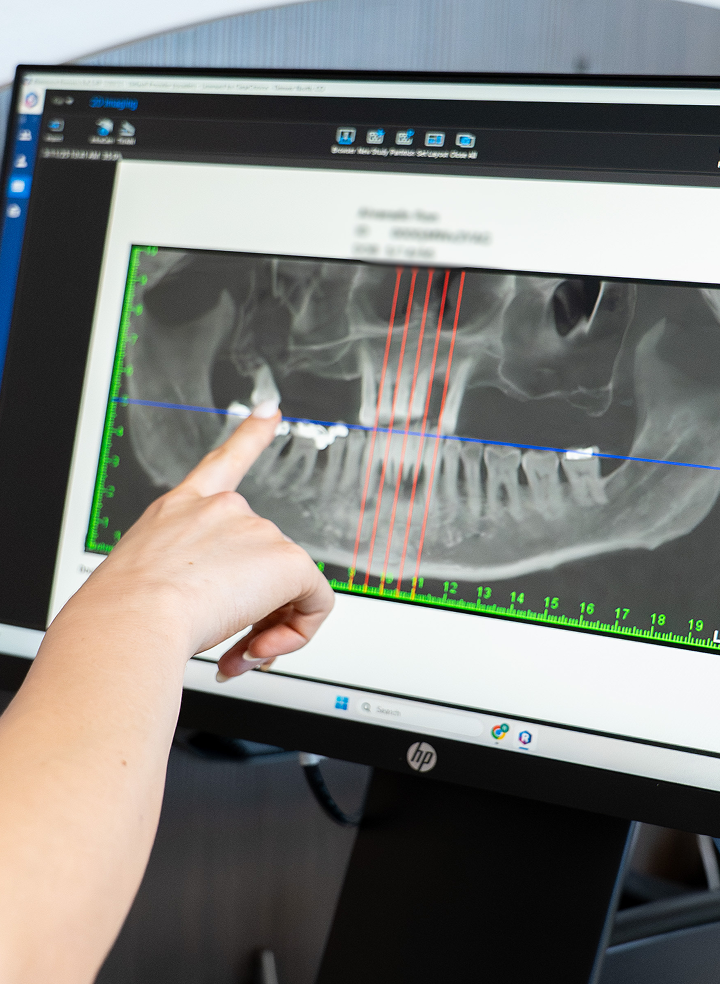
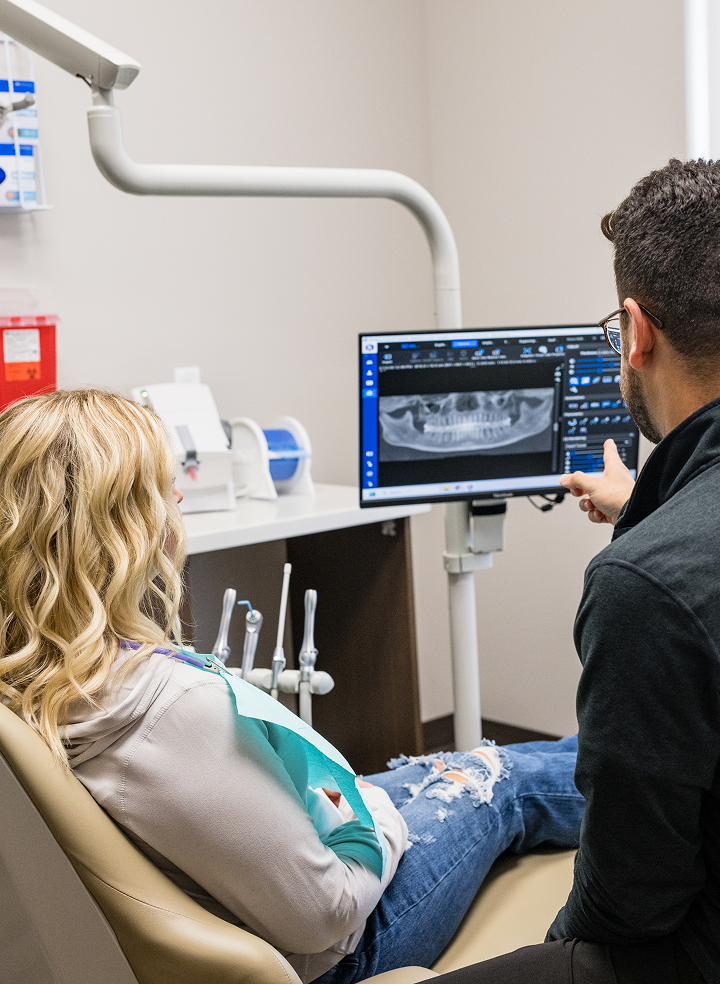
This does not happen to every woman, and the pace and severity vary quite a bit from person to person depending on factors like overall bone health, family history and how well gum disease, if present, is managed. To date low bone density in the hips and spine measured to diagnose osteoporosis, has not correlated diagnostically to bone density measured in CT scans. Regular dental visits, including X-rays when your dentist recommends them, make it much easier to catch these changes early, often before you would notice anything yourself.
How to protect your oral health during menopause
The good news is that most menopausal oral changes are manageable with a few consistent habits. Here is what generally helps:
Stay hydrated. Drinking water throughout the day helps ease dry mouth and supports saliva production. Sipping water regularly, rather than large amounts infrequently, tends to help more.
Keep up a solid brushing and flossing routine. Twice-daily brushing and daily flossing remain your best defense against decay and gum disease and may matter even more when hormonal changes are working against you.
Do not skip regular dental checkups and cleanings. Your dentist can catch gum changes and bone loss earlier than you can on your own, often before symptoms appear.
Get enough calcium and vitamin D. Both support bone health throughout the body, including the jawbone. Your primary care doctor can help you determine whether your intake is adequate for your age and health profile.
Consider a saliva-friendly routine if dry mouth is a persistent issue. Sugar-free gum, alcohol-free mouthwash and humidifying your bedroom at night can all help, though your dentist can recommend options suited to your specific situation.
Tell your dentist about any oral changes or menopause symptoms. Dry mouth, bleeding gums or new sensitivity are all worth mentioning at your next visit, even if they seem minor.
See your dentist promptly if you notice persistent bleeding, teeth that feel loose, ongoing pain or a burning sensation in your mouth. These symptoms are worth a timely evaluation rather than a wait-and-see approach.
This article is intended for general education. It is not a substitute for advice from your own dentist or physician, who can evaluate your specific symptoms and health history.
Common questions about menopause and oral health
Does menopause cause tooth loss?
Menopause does not directly cause tooth loss on its own, but the hormonal changes it brings, including reduced bone density and increased risk of gum disease, can contribute to tooth loss over time if left unaddressed. Good dental care and regular checkups significantly reduce this risk.
At what age do these oral changes usually start?
Many women begin noticing oral changes in their 40s and 50s, often alongside other perimenopausal symptoms, though the timing varies from person to person.
Are these changes permanent?
Not necessarily. Dry mouth, gum sensitivity and even some degree of bone density loss can often be managed or slowed with consistent care, hydration and regular dental visits. Your dentist is the best resource for understanding your specific outlook.
Menopause, tooth loss and caring for your smile long term
For most women, the oral changes that come with menopause are manageable with good daily care and consistent dental visits. There is no need to assume the worst simply because you have noticed some dryness, sensitivity or gum changes.
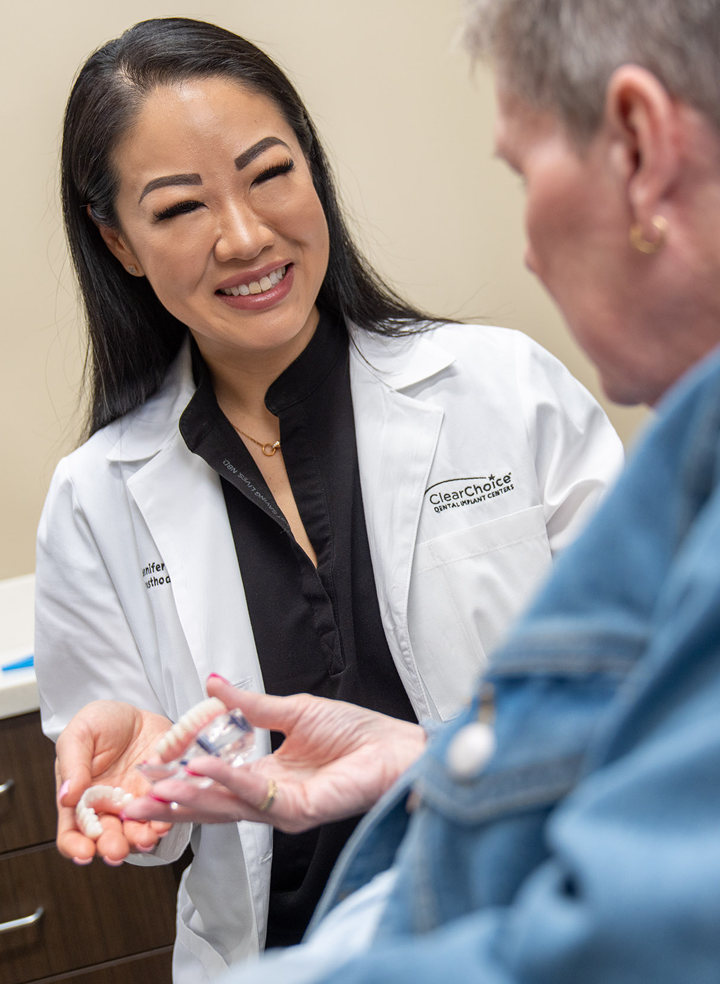
That said, for women who do experience significant tooth loss or jawbone loss, whether related to menopause or other causes, dental implants are one permanent replacement option worth understanding. ClearChoice specializes in dental implants, and our care teams include oral surgery expertise for patients who need it.
If you are noticing meaningful changes in your teeth or jawbone and want to understand your options, a free consultation is a no-pressure way to explore what is available to you.
Schedule free consultation