Last updated 03.03.2026
Denture repair: what to do when dentures crack, chip, or break
If your dentures break, quick decisions matter. Learn safe next steps, when to seek urgent denture repair, and how ClearChoice Dental Implant Center can help you explore longer-term options.
Whether your dentures are cracked, chipped, or completely broken in half, knowing what to do next can help protect your oral health and prevent further damage
This guide explains what may qualify as an emergency denture repair, what to avoid at home, and when it may be time to explore longer-term stability options like implant dentures at ClearChoice Dental Implant Center.
First: is a broken denture an emergency?
Not every cracked denture requires emergency care — but some situations may require prompt evaluation.
You may want to seek professional care quickly if:
Sharp edges are causing sores or bleeding
You’re suddenly unable to eat normally
You’re experiencing significant pain or swelling
There are signs of infection
If discomfort is mild and there’s no injury to your gums, you may have time to schedule an appointment. However, wearing a damaged denture can sometimes worsen cracks or irritate tissues.
When in doubt, a professional evaluation is recommended.
Common ways break (and why it happens)
Dentures are designed for durability, but they’re not indestructible.
Common causes of broken dentures include:
Dropping them:
Dentures can crack or fracture if dropped in the sink or onto a hard surface.
Stress fractures over time:
Repeated chewing pressure and bite imbalance can create hairline cracks that eventually worsen.
Material wear:
Like any appliance, denture materials can fatigue over time — especially after years of use.
Changes in fit:
As gums and bone naturally change over time, dentures may lose contact with supporting tissues. Poor fit can increase pressure in certain areas, which may raise the risk of fractures.
Often the upper denture cracks first and then splits up the middle. The gums have changed, and the denture rocks on the hard bone up the middle of the upper jaw.
If dentures don’t fit properly, breakage may happen more frequently.
What to do right away if your dentures crack or break
If you discover broken dentures, take these steps:
Stop wearing them if they cause pain or sores
Gently brush the denture with dish soap or toothpaste and lukewarm water (avoid hot water, which may warp material)
Save all broken pieces
Store them safely in a denture case
Avoid forcing a misaligned denture back into place
Contact a provider to discuss evaluation and repair options
Prompt action may help prevent additional damage.
Can you fix broken dentures at home?
Searching for “how to fix broken dentures at home” and “can you glue dentures back together” is common — especially when access to care feels urgent.
Here’s what to know.
What to avoid
Household superglue or epoxy
– These products are not designed for oral use and may damage the denture material or irritate tissues. It is difficult to place and hold the pieces in place while the glue sets. After it sets, the misfit and the bite is often worse.
Aggressive filing of sharp edges
– This can alter the fit and weaken the structure.
Boiling or heating the denture
– Heat can warp acrylic and permanently change its shape.
Even small changes in shape can affect comfort and chewing alignment.
Denture repair kits: when they may help (and their limits)
Some denture repair kits may provide temporary stabilization for minor chips or cracks. However:
They are typically not designed for long-term durability
They may alter the original fit
Improper use may complicate professional repair
Temporary kits may serve as a short-term measure until you can see a provider. For structural integrity and proper alignment, professional denture repair is usually recommended.
Professional denture repair: what to expect
During a denture repair evaluation, your provider may assess:
The location and severity of the fracture
Overall denture condition
Current fit and bite alignment
Signs of gum irritation
Depending on the situation, options may include:
Repairing the fracture
Recommending a replacement
Time expectations vary depending on damage severity and provider availability. Not all repairs can be completed the same day.
Importantly, a repaired denture that no longer fits well may continue to fracture. That’s why evaluating fit and bite alignment matters.
When repeated denture repair is a sign to reassess your options
If you’re searching for fix broken dentures frequently, it may be worth asking why the damage keeps happening.
Repeated repair needs may signal that you have:
Ongoing fit changes
Increasing reliance on adhesive
Lower denture instability
Bite misalignment
Worn or aging materials
In some cases, it may be helpful to discuss longer-term, prostheses options rather than continuing repairs.
Implant dentures: a stability option for some people
For individuals experiencing repeated denture instability or breakage, implant dentures may be worth exploring.
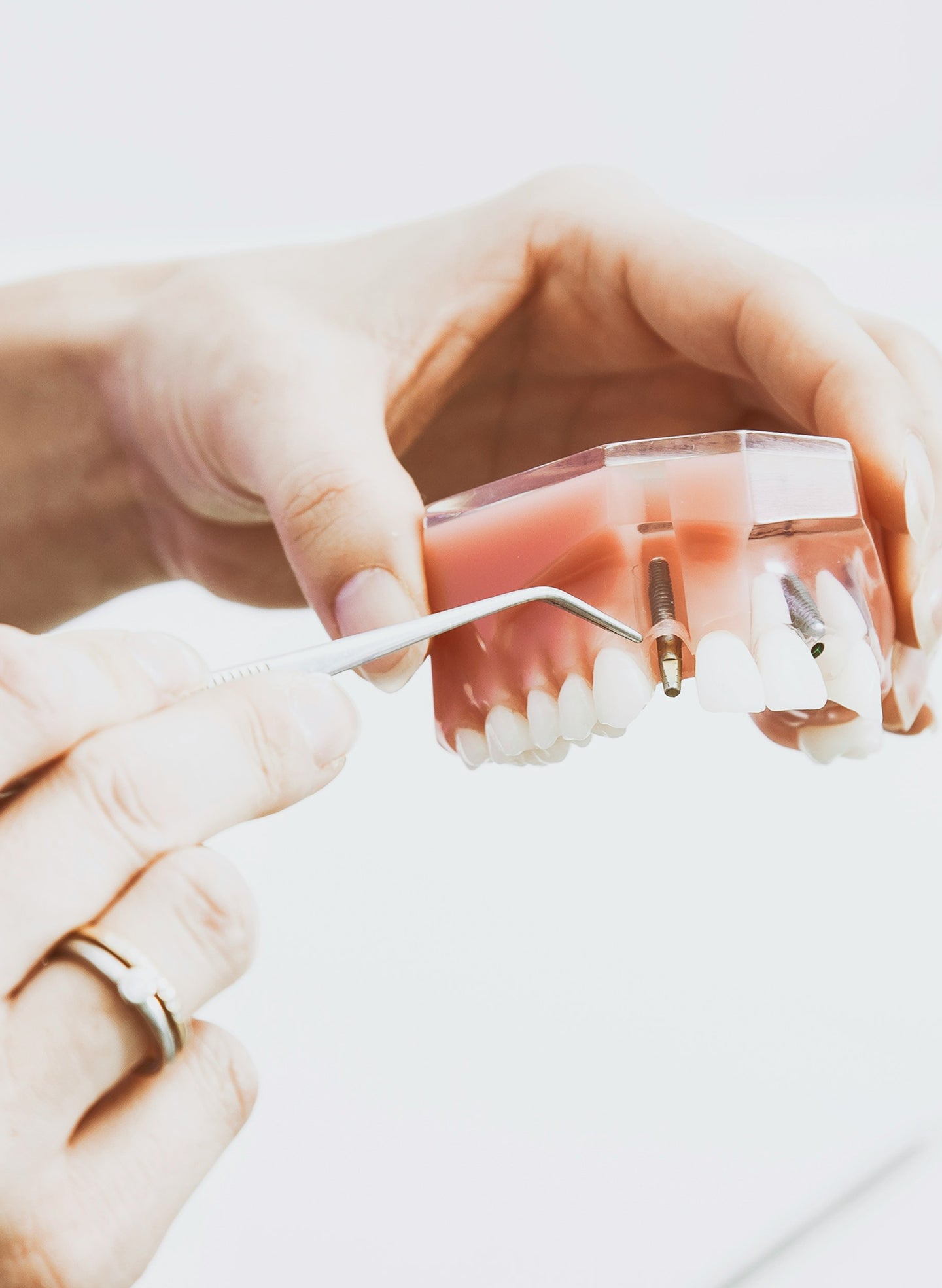
Implant dentures use dental implants placed in the jawbone to help support a removeable denture. For many patients, this approach may:
Reduce slipping
Decrease adhesive reliance
Improve chewing comfort
Provide additional prosthesis stability
For patients seeking a more permanent-feeling solution, full arch implants may also be considered. This option uses implants to support a full set of fixed teeth that are not removable, offering a more stable and natural-feeling alternative for many individuals.
Candidacy for an implant option depends on anatomy, bone levels, and health history. A consultation is required to determine whether implant-supported options are appropriate for you.
Dental implants are designed to be implants that can last a lifetime with proper care, though restorations may require maintenance over time.
What to expect at ClearChoice Dental Implant Center
If you’re unsure whether denture repair is enough or whether it’s time to consider implant stabilization options, a consultation can provide clarity.
At ClearChoice Dental Implant Center, your visit may include:
Review of your medical and dental history
Imaging to assess bone levels and anatomy
Evaluation of current denture fit and fracture patterns
Discussion of repair, reline, or implant-supported options
Long-term maintenance guidance
The goal is to help you understand both immediate repair needs and potential long-term solutions.
Third-party financing options may be available for qualified applicants.
Denture repair FAQs
Can I glue my dentures back together?
Household adhesives are not recommended. They may damage the denture material and irritate oral tissues. Professional evaluation is typically safer.
How long does denture repair take?
Repair time varies depending on the severity of the break and provider availability. Some minor repairs may be completed relatively quickly, while others may require additional lab work.
What if my dentures break in half?
Stop wearing them and save all pieces. Forcing them back into place may worsen the fracture. Contact a provider for evaluation.
Are denture repair kits safe?
Some kits may offer short-term stabilization for minor damage. However, they are generally temporary and may affect fit. Professional repair is often recommended.
Why do my dentures keep breaking?
Frequent breakage may relate to fit changes, bite imbalance, material fatigue, or bone changes. A comprehensive evaluation can help determine the cause.
Can implant dentures help prevent denture breakage?
Implant dentures may provide additional support and stability for many individuals, which may reduce movement-related stress. Candidacy varies and requires evaluation.
Making the right next move
If you’re dealing with broken dentures, quick decisions matter but long-term planning matters too.
Whether you need professional denture repair or want to explore implant-supported options, an evaluation can help you understand what’s appropriate for your situation.
ClearChoice Dental Implant Center provides coordinated care, comprehensive planning, and education-focused consultations to help you move forward confidently.