
Last updated 02.27.2026
Denture reline: what it is, signs you may need one, and what to do next
Loose dentures are common as gums and bone change over time. Learn what a denture reline is, when it may help, and when it may be time to explore other options—like implant dentures at ClearChoice.
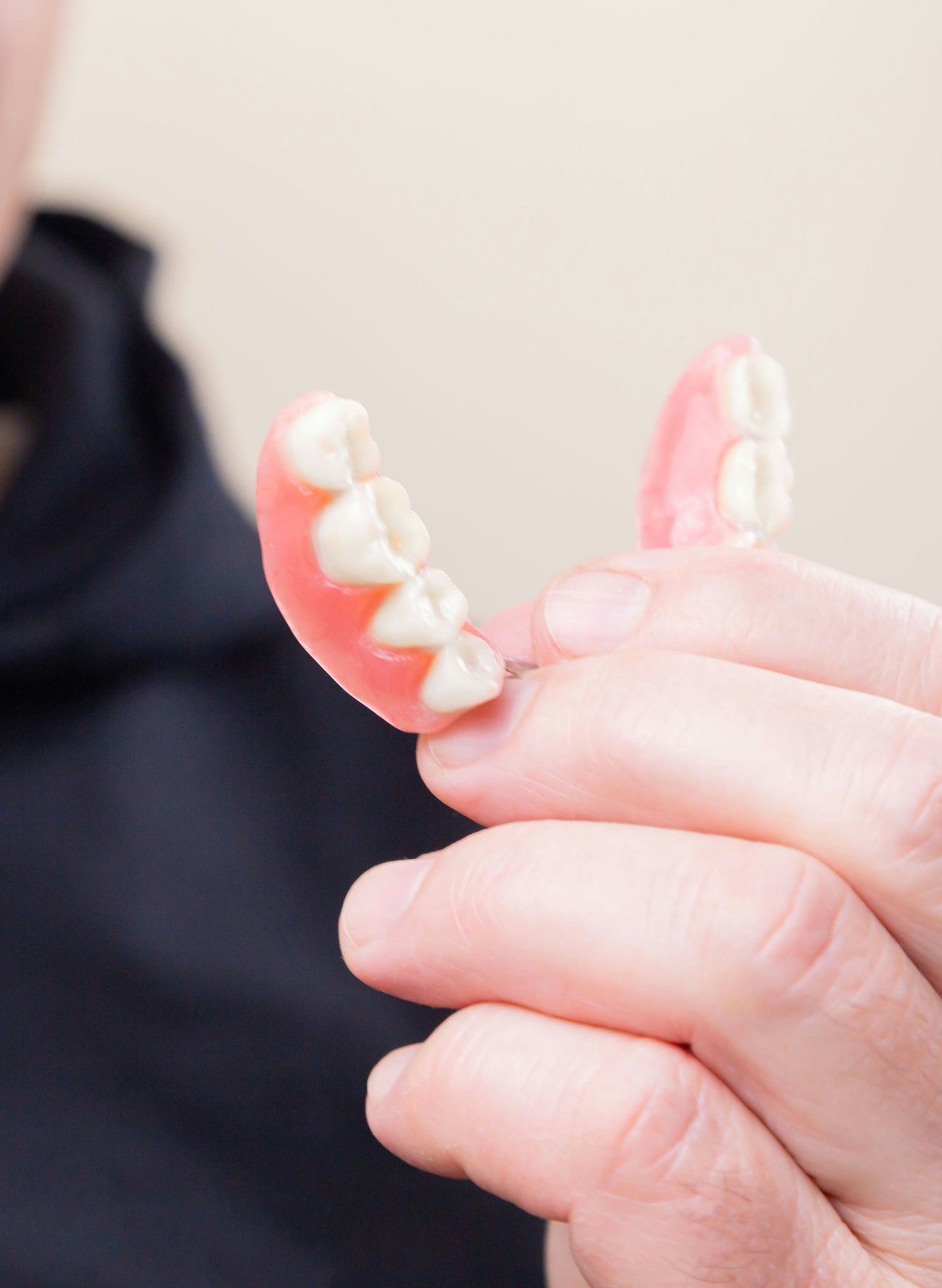
If your dentures feel loose, uncomfortable, or different than they used to, you may be wondering whether you need a denture reline.
Changes in gum tissue and bone structure are common after tooth loss. Over time, those changes can affect how your dentures fit. A reline may help improve that fit but it’s not always the only solution.
This guide explains what a denture reline is, signs you may need one, the difference between soft and hard relines, and when it may be time to explore other options, including implant dentures at ClearChoice Dental Implant Center.
What is a denture reline?
A denture reline reshapes the underside of your denture so it better fits your current gum contours.
After teeth are removed, the jawbone and surrounding tissues naturally change over time. Because dentures rest on those tissues, even subtle changes can create gaps between your gums and the denture base.
A reline adds new material to the underside of your existing denture to improve contact and stability. Important distinction:
A reline improves fit.
It does not replace the teeth portion of the denture.
It is not the same as getting a brand-new denture.
Signs you may need a denture reline
If you’re experiencing loose dentures or feel like your dentures don’t fit, it may be time for an evaluation.
Common signs include:
Dentures feel loose or shift when speaking or chewing
Sore spots, rubbing, or irritation
Needing more denture adhesive than before
Clicking, sliding, or movement during meals
Food collecting underneath the denture
Noticeable changes after weight loss, illness, or significant time since extractions
If you develop sores, pain, or sudden changes in fit, a professional evaluation is recommended. Fit issues can sometimes signal underlying tissue changes that should be assessed.
Soft reline vs hard reline: what’s the difference?
Not all denture relines are the same. The type recommended depends on your tissues, denture condition, and goals.
Soft reline dentures
A soft reline uses a flexible, cushion-like material placed along the underside of the denture. It may be considered for:
Patients with sensitive or tender gums
Temporary healing phases
Situations where additional cushioning is helpful
Soft relines can feel more forgiving against delicate tissues. However, they may wear faster than hard relines and may require frequent periodic maintenance. They are often used to extend the denture function, before performing a hard reline.
Hard denture reline
A hard denture reline uses a more durable acrylic-based material. It is often considered for:
Long-term fit improvement
After using a soft reline for a few weeks waiting for the gum contours to stabilize
Dentures that are otherwise structurally sound
Hard relines are generally more durable than soft relines, but fit changes can still occur over time as tissues continue to remodel. The right option depends on your clinical situation, which is why a personalized evaluation matters.
Denture reline vs denture adjustment vs denture rebase
These terms are often confused. Here’s a simplified breakdown:
Denture adjustment: Minor reshaping to relieve pressure points or irritation.
Denture reline: Reshaping the underside of the denture to improve contact with gums.
Denture rebase: Functions just like a reline, but it is sometimes easier for the laboratory technicians to replace most or all the denture base material while keeping the existing teeth.
Which one do I need?
It depends on:
The age and condition of your denture
Whether the teeth portion is still functional
The degree of fit change
Whether structural damage is present
An evaluation can determine whether a simple adjustment is sufficient, or whether a reline, rebase, or replacement is more appropriate.
How often do dentures need to be relined?
There is no single timeline. Relining frequency varies based on:
Natural bone and tissue changes
Denture age and wear
Bite changes
How well the denture was originally fitted
Rather than following a fixed schedule, regular professional check-ins can help identify fit changes before they become painful or disruptive.
Denture reline cost: what affects price?
If you’re searching for “denture reline cost,” several factors influence pricing. These may include:
Type of reline (soft vs hard)
Condition of the denture
Whether repairs are needed
Whether a rebase or new denture is more appropriate
Geographic and provider differences
Because every case is different, a consultation provides the most accurate estimate.
When a reline may not be enough
A denture reline improves fit but it cannot correct every issue. A reline may not be sufficient if:
The denture base is cracked or damaged
The denture teeth are significantly worn down
Fit issues return quickly after previous relines
You experience ongoing sores despite adjustments
Lower dentures continue to feel unstable
In some cases, chronic looseness, particularly in lower dentures, is related to reduced bone support rather than just surface fit.
When relines are no longer resolving the issue, other options may be worth exploring.
Implant dentures: a stability option for some people
For patients frustrated with repeated relines or unstable dentures, implant dentures may be considered.
Implant dentures use dental implants placed in the jawbone to help support a denture.
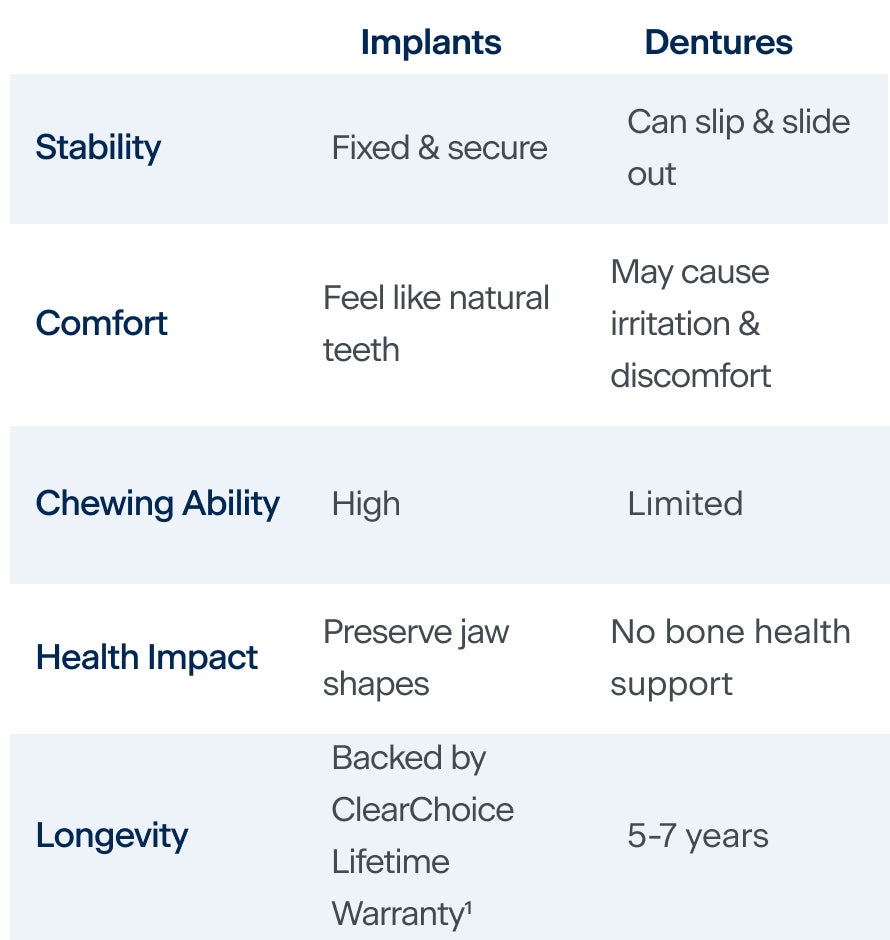
Many patients explore this option because it may:
Improve denture stability
Reduce reliance on adhesives
Improve chewing function for many individuals
Provide additional confidence during speaking and eating
Candidacy depends on bone anatomy, health history, and personal goals. An evaluation is required to determine whether implant dentures are appropriate.
At ClearChoice Dental Implant Center, treatment planning is coordinated between prosthodontists and oral surgeons. This approach allows both surgical and restorative phases to be evaluated together before recommending a plan.
What to expect at ClearChoice Dental Implant Center
If you’re experiencing loose or uncomfortable dentures, a consultation can help determine whether a simple adjustment is appropriate or whether recurring fit issues may signal the need for a more stable solution.
At ClearChoice Dental Implant Center, your visit may include:
A review of your medical and dental history
An evaluation of denture fit and condition
Imaging to assess bone levels and anatomy
A discussion of your goals and long-term preferences
An explanation of implant-supported and full-arch treatment options, when appropriate
While relines may temporarily improve fit, repeated instability can sometimes indicate that additional support is needed especially in the lower jaw. In those cases, full-arch implant treatment may offer improved stability and function for many patients.
You’ll receive a clear, personalized explanation of next steps and long-term maintenance considerations so you can make an informed decision about your care.
Third-party financing options may be available for qualified applicants.
The goal is not simply to improve fit temporarily, but to create a plan that supports comfort and long-term function.
Denture reline FAQs
What is a denture reline?
A denture reline reshapes the underside of your denture to improve contact with your gums as tissues change over time.
How do I know if my dentures need a reline?
Common signs include looseness, sore spots, increased adhesive use, clicking during chewing, and food trapping underneath the denture.
What’s the difference between a soft and hard reline?
Soft relines use flexible material and may be considered for sensitive tissues. Hard relines use durable acrylic material and are often recommended for longer-term stability. The appropriate option depends on individual needs.
Can I reline my dentures at home?
Over-the-counter reline kits are available, but improper application may worsen fit or irritate tissues. For safety and optimal results, professional evaluation is recommended.
Why are my dentures suddenly loose?
Natural bone and tissue changes over time can affect denture fit. Weight changes, healing after extractions, or health changes may also contribute.
Do implant dentures eliminate the need for denture adhesive?
Implant dentures may reduce or eliminate the need for adhesive for many patients. However, outcomes vary based on anatomy and treatment design.
Taking the next step
Loose dentures are common but they’re not something you have to simply live with.
Whether you need a denture reline, adjustment, rebase, new denture, or want to explore implant dentures, an evaluation can help determine the most appropriate path forward.
If you’re experiencing discomfort, instability, or repeated fit problems, ClearChoice Dental Implant Center can help you understand your options and plan confidently for what comes next.