
Last updated 02.20.2026
Denture adhesive: when it helps, when it’s a red flag, and what to do next
Denture adhesives may help with short-term stability, but frequent reliance can signal fit changes. Learn safe use, red flags, and next steps—including implant dentures at ClearChoice.
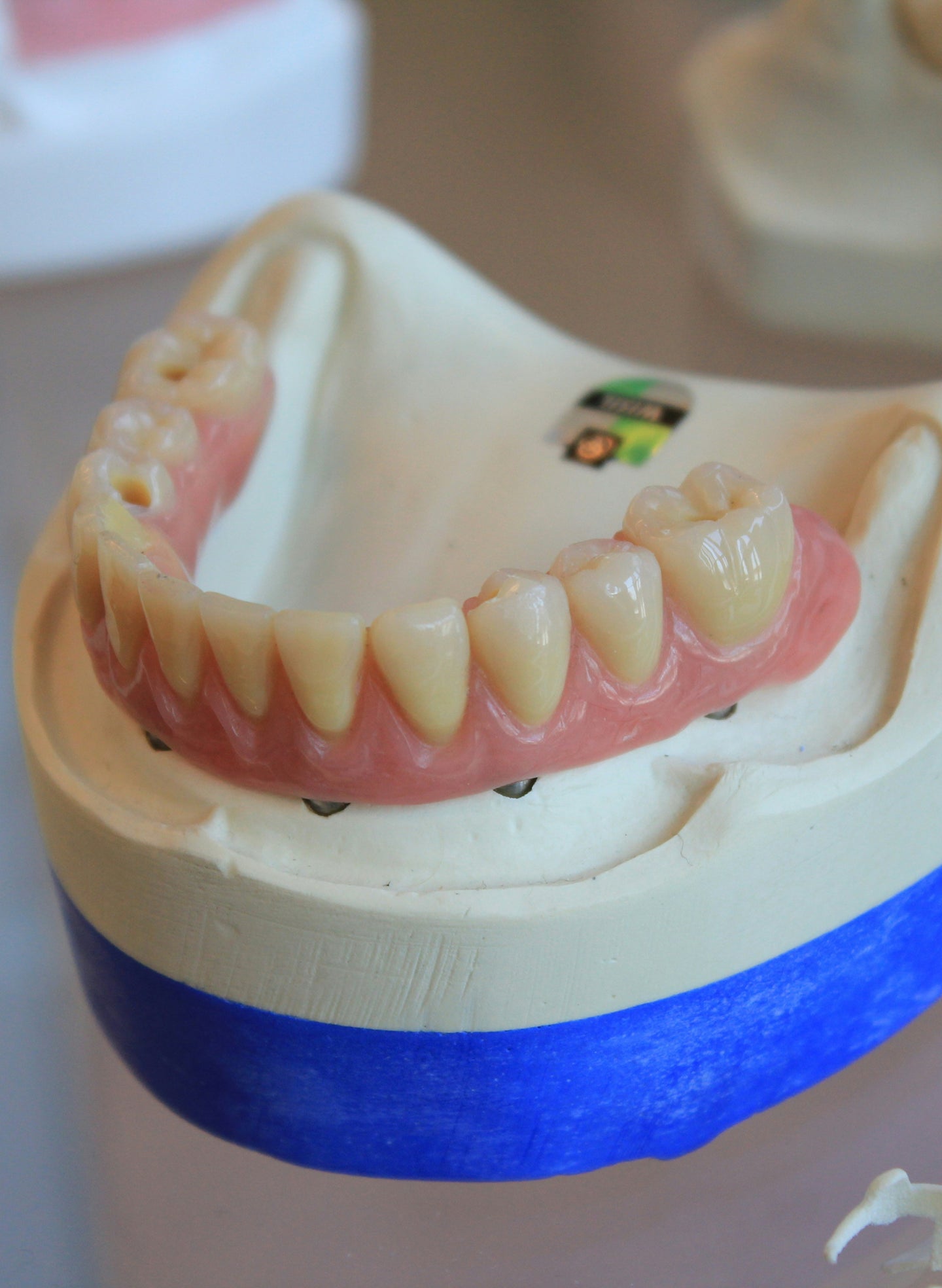
Denture adhesive, often called denture glue, can help improve stability for many denture wearers. Used correctly, it may provide added confidence when speaking, eating, or smiling. However, frequent or increasing reliance on denture adhesive can sometimes signal that the denture fit has changed.
If you’ve been searching for the best denture adhesive or wondering what can I use instead of denture glue, this guide explains when adhesive can help, when it may be a red flag, and what next steps may support long-term comfort.
What is denture adhesive and what is it meant to do?
Denture adhesive is a product designed to improve the hold of removable dentures. It typically comes in:
Cream or paste
Powder
Adhesive strips
What denture adhesive can help with
For some wearers, denture adhesive may:
Reduce minor movement
Improve short-term stability
Provide added confidence in social settings
What denture adhesive is not
Denture adhesive is not intended to:
Correct a painful or poor fit
Replace professional denture adjustment
If adhesive is being used to manage discomfort or significant looseness, an evaluation may help determine the underlying cause.
When denture glue can be helpful (and when it’s commonly used)
Using glue for dentures is common and often appropriate in certain situations. Some people choose denture adhesive:
During the initial adjustment period with new dentures
For added security at photo-heavy occasions such as weddings, graduations, or family gatherings
When dentures fit reasonably well but feel slightly unstable
Wanting extra confidence when smiling or speaking is understandable. Denture adhesive may help in those moments—but it should not be the only thing keeping dentures functional every day.
How to use denture adhesive safely
If you’re researching how to use denture adhesive or what is the strongest denture adhesive on the market, it’s important to remember: proper fit matters more than adhesive strength.
Basic do’s
Clean and dry your dentures before applying
Use small, evenly spaced amounts
Follow product instructions carefully
Remove adhesive daily
Basic don’ts
Avoid over-application
Don’t layer new adhesive over old residue
Don’t use adhesive on broken or poorly fitting dentures
Don’t ignore soreness or swelling
How often denture adhesive should be used depends on the product and individual fit. Always follow the label and your provider’s guidance.
How to remove denture glue (and keep dentures clean)
If you’re wondering how to remove denture glue, gentle techniques are best. General guidance includes:
Rinse dentures and mouth with warm water
Gently brush away residue in your mouth and on the denture using a soft toothbrush
Use a denture cleanser as directed
Avoid scraping with hard tools, as this may damage the denture surface. Persistent residue or irritation should be evaluated.
Red flags: when relying on denture adhesive may signal a bigger issue
Denture adhesive itself isn’t “bad.” But certain patterns of use may indicate that your dentures need attention.
Signs to watch for:
Needing adhesive daily just to function
A sudden change in fit (“they used to stay in”)
Sore spots, pressure points, or ulcers
Clicking, shifting, or speech changes
Increasing amounts of adhesive over time
Difficulty chewing comfortably
Denture fit can change gradually due to normal bone and tissue changes. An evaluation may help identify whether a denture adjustment, denture reline, replacement, or another option is more appropriate.
Alternatives to denture adhesive: what you can do next
If you’ve been searching what can I use instead of denture glue, the answer often starts with assessing fit.
Denture adjustment: Minor fit issues may be resolved through simple adjustments.
Denture reline: A denture reline reshapes the underside of the denture to better match your current gum contours. Soft or hard relines may be recommended depending on your needs.
Evaluate bite and wear: Worn denture teeth or bite changes may contribute to instability. A provider can assess whether wear is affecting fit.
Addressing the root cause of looseness often reduces reliance on adhesive.
Implant dentures: an option that may reduce slipping (and the need for adhesives)
For some individuals, implant dentures may offer increased stability.
What implant dentures are
Implant dentures use dental implants placed in the jawbone to help support a removable denture.
Why some people consider implant dentures
Improved stability for speaking and chewing compared to a denture
Less reliance on denture adhesive for many patients
Greater confidence in daily activities
Candidacy depends on anatomy, health history, and goals. Not everyone is a candidate, and evaluation is required.
Dental implants are implants that can last a lifetime with proper care, though restorations may require maintenance over time.
At ClearChoice Dental Implant Center, treatment planning is comprehensive and coordinated under one roof. Patients receive education, personalized care planning, and long-term maintenance guidance.
What to expect at ClearChoice Dental Implant Center
If denture adhesive is becoming a daily necessity—or no longer helping—ClearChoice offers a consultation-focused approach.
During your visit, you can expect:
Review of medical and dental history
Imaging
Discussion of goals such as stability, comfort, and confidence
Review of options, which may include adjustment, denture reline, or implant-supported solutions
Third-party financing options may be available for qualified applicants.
Denture adhesive FAQs
Is denture adhesive safe to use every day?
Denture adhesive may be safe when used as directed. However, daily reliance can sometimes signal that denture fit should be evaluated.
What’s the strongest denture adhesive?
There is no single strongest option for everyone. Proper denture fit is typically more important than adhesive strength. Always follow label instructions.
How do I remove denture adhesive from gums?
Rinse with warm water and gently brush with a soft toothbrush. Persistent irritation should be evaluated.
Why do my dentures suddenly feel loose?
Fit can change over time due to bone and tissue changes. An evaluation may help determine the cause.
What can I use instead of denture glue?
Options may include denture adjustment, denture reline, implant dentures, or full arch implants depending on your needs and goals.
Can implant dentures help me avoid adhesives?
For some patients, implant dentures may reduce or eliminate the need for adhesive. An evaluation is required to determine candidacy.
Knowing when to take the next step
Denture adhesive can be a helpful short-term tool. But if you’re relying on it more than you used to—or if discomfort is part of the picture—it may be time to explore what’s changed.
A consultation at ClearChoice Dental Implant Center can help you understand your options and choose a path focused on comfort, stability, and long-term oral health.