Last updated 02.24.2026
Dental implants for seniors: benefits, options, and what to know before treatment
Considering dental implants later in life? Learn benefits for seniors—like stability and function—plus common candidacy considerations, alternatives, and what to expect at ClearChoice.

If you’re researching dental implants for seniors, you may be wondering whether age changes your options.
Tooth loss becomes more common later in life, and many older adults begin exploring solutions that feel more stable, comfortable, or easier to manage than traditional dentures. The good news: age alone is typically not the deciding factor.
This guide explains potential benefits of dental implants for seniors, candidacy considerations, how implants compare to dentures, and what to expect at ClearChoice Dental Implant Center.
Quick answer: can seniors get dental implants?
In many cases, yes.
There is generally no strict age limit for dental implants. Instead, candidacy depends on:
Overall health
Oral health
Bone levels and anatomy
Medical history and medications
A personalized evaluation is necessary to determine whether implants for seniors are appropriate. Some older adults in their 70s, 80s, and beyond may be candidates, while others may benefit from alternative solutions.
If you’re unsure, the first step is a consultation and medical review.
What are dental implants?
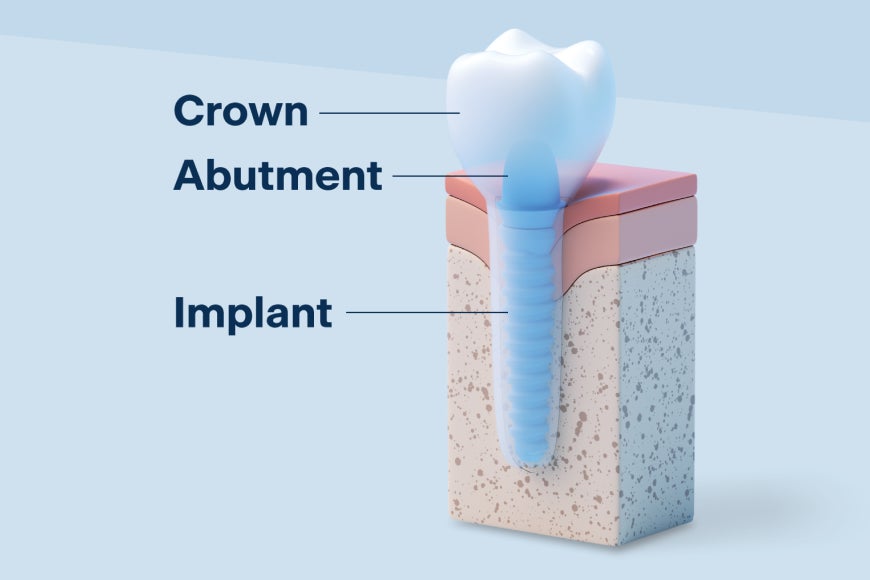
Dental implants are small posts placed in the jawbone to replace missing tooth roots. They help support restorations such as:
A single crown (one missing tooth)
A bridge (multiple missing teeth)
Full-arch teeth (replaces all teeth with a removeable or a permanent fixed prostheses)
Implant treatment typically includes two coordinated phases:
Surgical phase – Placement of the implant post
Restorative phase – Design and placement of the final tooth or teeth
Timelines and steps vary depending on bone health, healing response, and treatment design. Some patients may receive temporary teeth during the healing process, but full restoration may take additional time.
Key benefits of dental implants for seniors
While every case is different, dental implants for elderly patients may offer several potential benefits.
More stable chewing for many people
Traditional dentures rest on the gums and may shift over time. Dental implants are placed in the jawbone, which may provide improved stability for many individuals.
This added stability may:
Help with chewing certain foods
Reduce movement during meals
Decrease reliance on denture adhesive in some cases
Outcomes vary by anatomy and restoration type, but many seniors explore implants for improved function.
Clearer speech and everyday confidence
Loose dentures can sometimes affect speech clarity or create self-consciousness. For some seniors, implants may provide added security that supports everyday communication.
It’s important to note that confidence and comfort are personal experiences and may differ from one individual to another.
A secure foundation for replacing missing teeth
Dental implants can support:
Single tooth replacement
Multiple teeth replacement
Full-arch tooth replacement
This flexibility allows treatment to be tailored to specific needs, whether you’re missing one tooth or several.
Bone support considerations
After tooth loss, the jawbone naturally changes over time because it no longer receives stimulation from tooth roots.
Dental implants are placed in the bone and may help provide that stimulation again. However, bone levels vary by person. In some cases, additional planning may be discussed if bone loss is present.
An evaluation helps determine what’s appropriate.
Dental implants vs dentures for seniors: what’s different?
When comparing dental implants for seniors to traditional dentures, several factors come into play.
Dentures:
Are removable prostheses
Rest on the gums
May require adhesive
Typically lower initial cost
Dental implants with prostheses:
Placed in the jawbone to support prostheses
Provides added prostheses stability for many people
The prostheses may be removable or permanent depending on the design
Require surgical placement
There’s also a cost and stability middle-ground option: an option between full arch implants and dentures. That is implant-supported dentures. In this approach, implants help support and stabilize a removable denture.
For seniors who are frustrated with shifting lower dentures, implant-supported dentures may offer improved retention in some cases.
The right option depends on anatomy, health, goals, and comfort level.
Common candidacy considerations for seniors
Dental implants for older people require careful evaluation.
Some key factors include:
Bone levels and anatomy
Sufficient bone support is important. In some cases, additional procedures may be discussed if bone loss has occurred.
Gum health and oral hygiene ability
Healthy gum tissue and the ability to maintain daily hygiene are important for long-term success.
Medical history
Certain medical conditions and medications including diabetes, osteoporosis treatments, or nicotine use, may influence planning. Always discuss your medical history with your dental and healthcare providers.
Planning & affordability: what seniors search for most
Many seniors researching dental implants also search for:
Dental insurance for seniors
Dental plans for seniors
Best dental insurance for seniors on Medicare
Affordable dental implants for seniors
Seniors discount for dental implants
Here’s what to know.
Dental insurance for seniors and implants: what to know
Insurance coverage varies widely depending on your contract with your insurance carrier.
Some dental insurance plans may cover implant care, while others may not.
ClearChoice Dental Implant Center does not guarantee nor qualify your insurance coverage, however after your consult you may discuss your coverage with your carrier. After treatment, ClearChoice will give you codes that you may file directly with your carrier.
Dental plans for seniors and budgeting for tooth replacement
The cost of dental implants depends on:
Number of teeth replaced
Type of restoration
Case complexity
Diagnostic and imaging needs
Rather than focusing only on price, many seniors have experienced the value of implants based on long-term stability and improved function.
At ClearChoice Dental Implant Center, third-party financing options may be available for qualified applicants.
If you’re researching “affordable dental implants for seniors,” ask for a detailed treatment plan so you can compare options clearly.
What to expect at ClearChoice Dental Implant Center
If you’re considering implants for seniors, your consultation may include:
Review of medical and dental history
Imaging to assess bone and anatomy
Discussion of your goals and lifestyle
Explanation of available options
Transparent review of next steps
ClearChoice Dental Implant Center coordinates surgical and restorative planning within one center. This approach allows both phases to be considered together when designing a treatment plan.
Education and long-term maintenance guidance are also part of the process.
Third-party financing options may be available for qualified applicants.
FAQs: dental implants for seniors
Are dental implants safe for seniors?
For many seniors, implants may be appropriate. Safety depends on overall health, bone levels, and medical history. A professional evaluation is required to determine candidacy.
Is there an age limit for dental implants?
There is generally no upper age limit. Health status, not age alone, is typically the deciding factor.
Are dental implants better than dentures for seniors?
Not necessarily for everyone. Implants may provide added stability for many individuals, but dentures remain a viable option depending on anatomy, comfort preferences, and budget.
Can seniors get dental implants with bone loss?
In some cases, yes. Bone levels vary, and additional planning may be discussed if needed. An evaluation determines what options are appropriate.
Do Medicare or dental insurance plans cover implants?
Coverage varies by plan. After your ClearChoice consultation, you may discuss your available dental coverage with your insurance carrier.
How long can dental implants last?
Dental implants are designed to last a lifetime with proper care. However, restorations placed on top of implants may require maintenance or replacement over time depending on individual factors.
Considering dental implants later in life?
Exploring dental implants for seniors is often about improving function, comfort, and confidence not just replacing teeth.
If you’re considering implants for seniors or comparing them to dentures, scheduling a consultation can help you understand your options based on your health, goals, and timeline.
ClearChoice Dental Implant Center provides coordinated planning and education-focused consultations designed to help you move forward with clarity.