Last updated 11.25.2026
Your wedding season smile: How to time dental implant healing around the big day
Planning dental implants around wedding season? Follow these 7 steps to time surgery, healing and checkups so you can smile with confidence at every event.
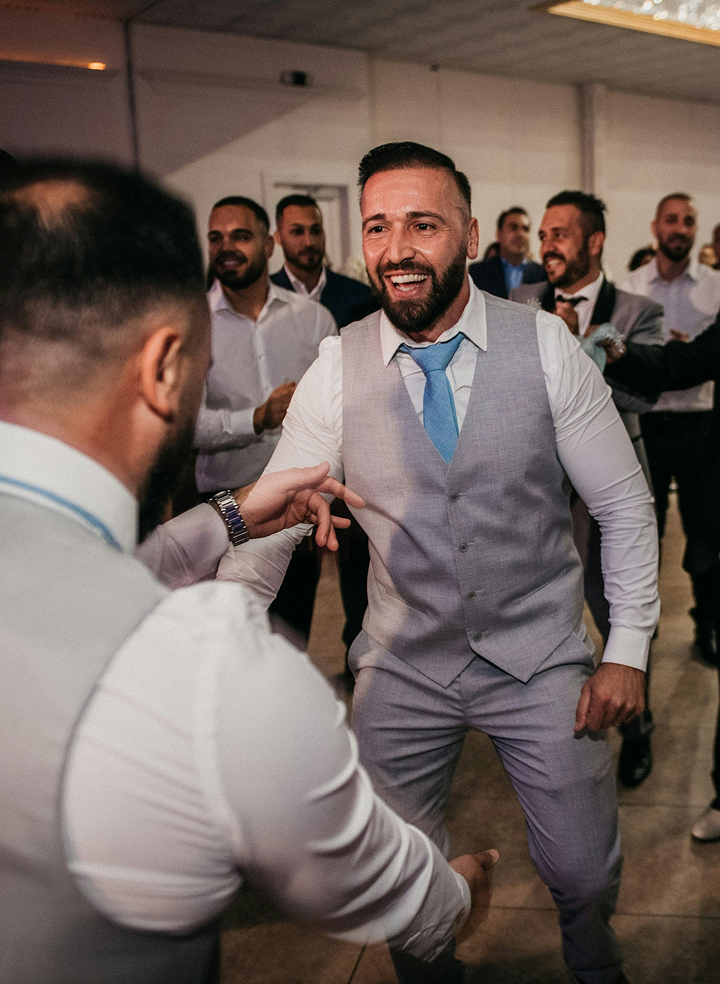
Wedding season fills up the calendar fast. Between engagement parties, showers, rehearsal dinners and the main event, you'll spend a lot of time smiling, talking, toasting and eating in front of the people you love. And in front of cameras. Lots of cameras.
If you've been thinking about dental implants, those dates can feel like a deadline. With a little planning, they can also be a finish line to look forward to. Here's a step-by-step walkthrough for timing your treatment so you can show up to every celebration feeling confident, whether you're the one saying “I do” or the one giving the toast.
Step 1: Map out every event, not just the wedding
A wedding is rarely a single day. Before you think about treatment, grab your calendar and list every event you'll attend or host this season:
Engagement photos
Bridal showers or couples’ showers
Bachelor and bachelorette weekends
Rehearsal dinner
Ceremony and reception
Post-wedding brunch
Honeymoon or travel
Now circle the ones that matter most to you. Usually, these are the moments with a professional photographer or the ones where you'll be front and center. If you have several weddings on the books, your busiest stretch may last a lot longer than one weekend.
Step 2: Understand how dental implant treatment unfolds
Every treatment path is different, and your care team will build a timeline around you. Generally speaking, fixed full arch treatment at ClearChoice® follows these stages:
Free consultation: You'll meet with your care team, get a 3D CT scan and talk through your goals.
Surgery day: Your implants are placed, and you leave with a temporary set of teeth attached to your implants the same day.
Healing: Over the following months, your implants integrate with your jawbone. You'll follow a softer diet early on and come in for checkups so your care team can make refinements along the way.
Final prosthesis: Once you've healed, you'll receive your final teeth, custom-designed for your smile.
Single tooth implants and implant bridges have different treatment paths and healing times, so ask your care team what yours will look like. Everyone heals differently, and that's okay. The goal is a plan that fits your body and your calendar.
Step 3: Work backward from your most important date
The simplest way to plan is to start with the date you care about most and count backward.
If you have a year or more: This is the sweet spot. Starting early gives you room for your consultation, surgery and the full healing phase, plus extra time for refinements. Depending on your treatment plan and how you heal, you may receive your final teeth before wedding season.
If you have several months: You still have options. Your temporary teeth are designed to help you smile in photos while you heal. The key is scheduling surgery so the early recovery period is well behind you before your first big event.
If your event is just weeks away: Be honest with yourself and your care team. It may make sense to schedule surgery after the celebrations so you can enjoy them fully, then start fresh with a clear calendar. Booking your consultation now still gets the ball rolling, so you'll have a plan ready to go.
Step 4: Build in a buffer for the first few weeks
The first stretch after surgery is when you'll want to take it easiest. Some swelling and bruising are normal, and you'll be eating soft foods while your mouth begins to heal.
Try not to stack a major event right on top of this window. That means you probably don't want surgery the week before your engagement shoot or a bachelorette trip to the beach. Ask your care team how much buffer they recommend for you, then block that time off on your calendar like it's its own event. Because it is.
Step 5: Plan your plate
Here's some good news: Many wedding menus include soft-food options. If you're still in the soft-food phase when the invitations arrive, a few easy moves can help:
Choose fish, pasta or risotto over steak when you fill out your RSVP card
Skip the crunchy appetizers like crostini and crackers
Pass on corn on the cob at the summer barbecue reception
Enjoy a slice of cake, if your care team approves
If you're the couple, you have an advantage. Add a soft entrée option to your menu, and guests with braces, dentures or sensitive teeth will appreciate it too. Whatever you choose, follow the diet guidance your care team gives you.
Step 6: Schedule your checkups around travel
Destination weddings and honeymoons are a big part of the season, and follow-up appointments are a big part of healing well. Look at your travel dates before you schedule surgery, and share them with your dedicated Smile Advisor so your checkups don't land while you're on a plane.
Heading out of town? Pack a small care kit with a soft toothbrush and any rinses or supplies your care team recommends. It takes up less room than an extra pair of shoes.
Step 7: Practice your camera-ready smile
If you've spent years smiling with your mouth closed, showing your teeth again can take a little getting used to. Use the weeks before the wedding to practice. Take a few selfies. Laugh at something ridiculous. Smile at yourself in the mirror until it feels natural.
With your temporary teeth in place while you heal, you can practice smiling well before your final teeth arrive. By the time the photographer calls everyone in for the group shot, you'll be ready.
Ready for every toast
Whether wedding season is a year away or right around the corner, the first step is a conversation. At a free consultation, your care team will look at your goals, your oral health and your calendar to help map out a timeline that works for you. A consultation is the best way to find out whether dental implants are right for you.
The celebrations are coming. Your smile can be ready to join them.
Schedule free consultation