Last updated 02.02.2026
Dental implants in children vs adults: Eligibility, timing, and growth
Learn how implant eligibility differs for children and adults—from growth, bone health, timing and what to know.
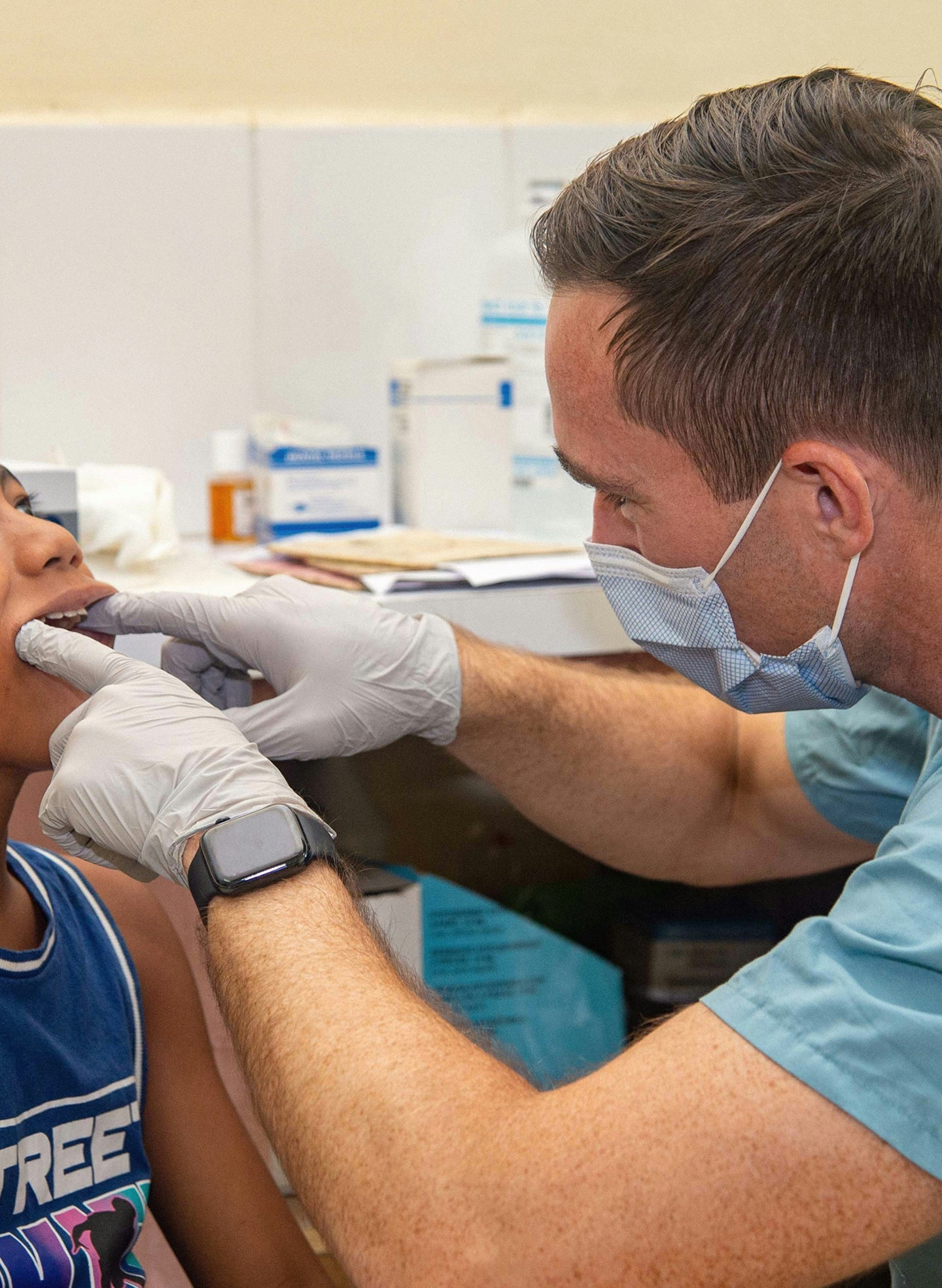
Dental implants are widely recognized as a long-term option for replacing missing teeth, but eligibility looks very different for children than it does for adults. Age alone doesn’t determine whether someone may qualify. Instead, factors like jaw development, bone health, and overall medical stability play a much larger role.
If you’re a parent exploring options for a child or an adult wondering whether it’s “too early” for implants, understanding how eligibility differs can help you make informed, confident decisions.
What “eligibility” for dental implants means
Dental implant eligibility at ClearChoice starts at age 18. At a ClearChoice Dental Implant Center, eligibility is evaluated through a comprehensive review of several factors, including:
Jawbone development and stability
Bone density and volume
Gum health and oral hygiene
Overall medical history and health conditions
In children, one of the most important considerations is whether the jaw has fully developed and the patients jaws and face have reached their maximum growth.
Eligibility in children and adolescents
Jaw growth and skeletal maturity
In children and teenagers, the jaw is still growing, and teeth are changing position as the jaw grows. This continued growth and shifting teeth is why orthodontics in some children takes many years. Because dental implants DO NOT move as the jaw grows and the natural teeth DO move, placing an implant too early may result in:
An implant out of position, that once was functional with the surrounding teeth before the teeth shifted.
Functional or aesthetic concerns over time. Teeth continue to erupt and get “longer” as the child grows. The implant tooth will then be too short compared to the natural teeth.
The need for a new implant crown, or even removal of the implant.
For this reason, implants are typically not recommended until jaw growth is complete, which often does not occur until the early twenties, though this varies by individual. A general rule for most dentists, is no implant prior to age 18.
Minimum age considerations
There is no universal “minimum age,” but skeletal maturity is key. A ClearChoice care team may use imaging and clinical evaluation to assess whether growth has stabilized before considering implant treatment.
Alternative solutions for younger patients
For children or adolescents who are missing teeth, temporary or transitional options may be recommended, such as:
Removable appliances or partial dentures
Bonded bridges
A replacement tooth attached to the orthodontic braces
These solutions can help support appearance and function, but even they will require adjustments while the jaw continues to develop naturally. Implant treatment may be revisited later when growth is complete.
Eligibility in adults
No strict upper age limit
For adults, there is no maximum age for dental implants. Many patients in their 60s, 70s, and beyond successfully explore implant treatment. What matters more than age is overall health.
Key adult considerations include understanding and managing:
Bone quality and density
Gum health
Medical conditions such as diabetes or heart disease
Medications that may affect healing
Preparing for implants as an adult
Some adults may need preparatory care before implant placement, which could include:
Bone grafting to support implant stability
Treatment for gum disease
Coordination with a physician to stabilize medical conditions
These steps are part of personalized treatment planning and help support predictable outcomes.
Major differences: Timing, bone development, and practical implications
Why timing matters more in children
For younger patients, eligibility is largely about waiting until growth is complete. Acting too early can create complications that require revision later or at a minimum the patient is stuck with a less than ideal aesthetic and functional result.
Why timing matters differently in adults
In adults, timing is less about growth and more about:
Removal of severely decayed teeth and teeth with gum disease and replace them with healthy implants
Preserving existing bone with implants in the spaces where teeth are missing
Improving function and comfort
Delaying treatment in adults may allow bone changes that make future restoration more complex.
Implications for treatment planning at ClearChoice Dental Implant Center
At ClearChoice, treatment planning is guided by prosthodontists who consider:
Age-related anatomic factors
Long-term oral health goals
The safest and most appropriate timing for care
This ensures recommendations are based on clinical need, not age alone.
Questions families and adults should ask
For families considering implants for younger patients
Has jaw growth fully stabilized?
What temporary options can support function now?
When should we reevaluate implant eligibility?
For adults considering implants
How does my current bone health affect eligibility?
Are preparatory treatments needed first?
What should I expect during the consultation process?
Dental implant eligibility for children vs adults FAQs
At what age can children get dental implants?
Implants are generally considered only after jaw growth is complete. This often occurs in the early twenties, but evaluation is individualized.
Can implants be placed before jaw growth is complete?
In most cases, implants are delayed until growth stabilizes to avoid future alignment or functional issues.
Is there an upper age limit for dental implants?
No. Eligibility depends on health and bone quality, not age.
How does bone development affect implant success in children vs adults?
In children, ongoing growth is the primary concern. In adults, bone preservation and density are more important factors.
What should adults with bone loss know about implants?
Bone loss doesn’t automatically disqualify someone. Options like bone grafting may help support implant placement, depending on individual needs.
What this means for you or your family
Dental implant eligibility is about timing, health, and individualized planning—not arbitrary age limits. Whether you’re exploring future options for a child or considering implants as an adult, the first step is understanding where you stand today.
A consultation at a ClearChoice Dental Implant Center can help clarify eligibility, outline next steps, and provide guidance tailored to your situation.